The short answer: A Tbilisi wine tour usually means a day in Kakheti, Georgia's main wine region, in the far east of the country. It's an easy trip: Sighnaghi is about 110 km away, 1.5–2 hours by road. A good wine day picks one side of the region (Sighnaghi or Telavi), includes two or three tastings rather than five, and leaves the driving to someone who isn't drinking. This guide covers what makes the wine different, the kinds of tasting you can choose from, how a day by car actually runs, and when to go.
Qvevri in two minutes
A qvevri is a large egg-shaped clay vessel, lined with beeswax and buried up to its neck in the floor of a wine cellar (marani). In the traditional method the crushed grapes go in with their juice, skins, pips and often the stalks; the wine ferments, the vessel is sealed, and it stays underground for around five to six months, where the temperature barely changes. UNESCO added the qvevri method to its list of Intangible Cultural Heritage in 2013[1].
What this means in the glass: white grapes such as Rkatsiteli, left on their skins, come out amber, dry and slightly grippy, with flavours closer to dried fruit and tea than to a crisp white. Saperavi, the main red grape, makes dark, full wines. Not every Kakheti winery uses qvevri; many also work with steel tanks and oak, so ask what you're drinking. Many shops and restaurants also sell semi-sweet reds, so if you prefer dry wine, ask for mshrali (dry). Our guide to Georgian grapes and amber wine covers the varieties and label terms.
How old is the tradition, really?
Old, but the famous "oldest wine" evidence isn't from Kakheti. The earliest traces of grape wine found so far, from about 6000 BC, were in pottery jars at two Neolithic villages, Gadachrili Gora and Shulaveris Gora, in Kvemo Kartli about 50 km south of Tbilisi[2]. Kakheti's claim is different and still impressive: it is where the buried-qvevri tradition carries on in village after village, and where many families still make wine for their own table.
Five kinds of tasting
"A wine tour" in Kakheti can mean very different things. Knowing the types helps you choose.
- A family marani. Wine poured from the qvevri or from the family's own bottles, usually at the kitchen table with bread, cheese and churchkhela, sometimes with lunch. This is the most personal kind of tasting, but most families have no website or sign on the gate, so it needs a guide who can arrange it by phone.
- A small natural-wine cellar. Producers who make qvevri wine with little or nothing added. In Sighnaghi, Okro's Wines pours on a terrace over the valley, and Pheasant's Tears is known as much for its restaurant as for its wine[3].
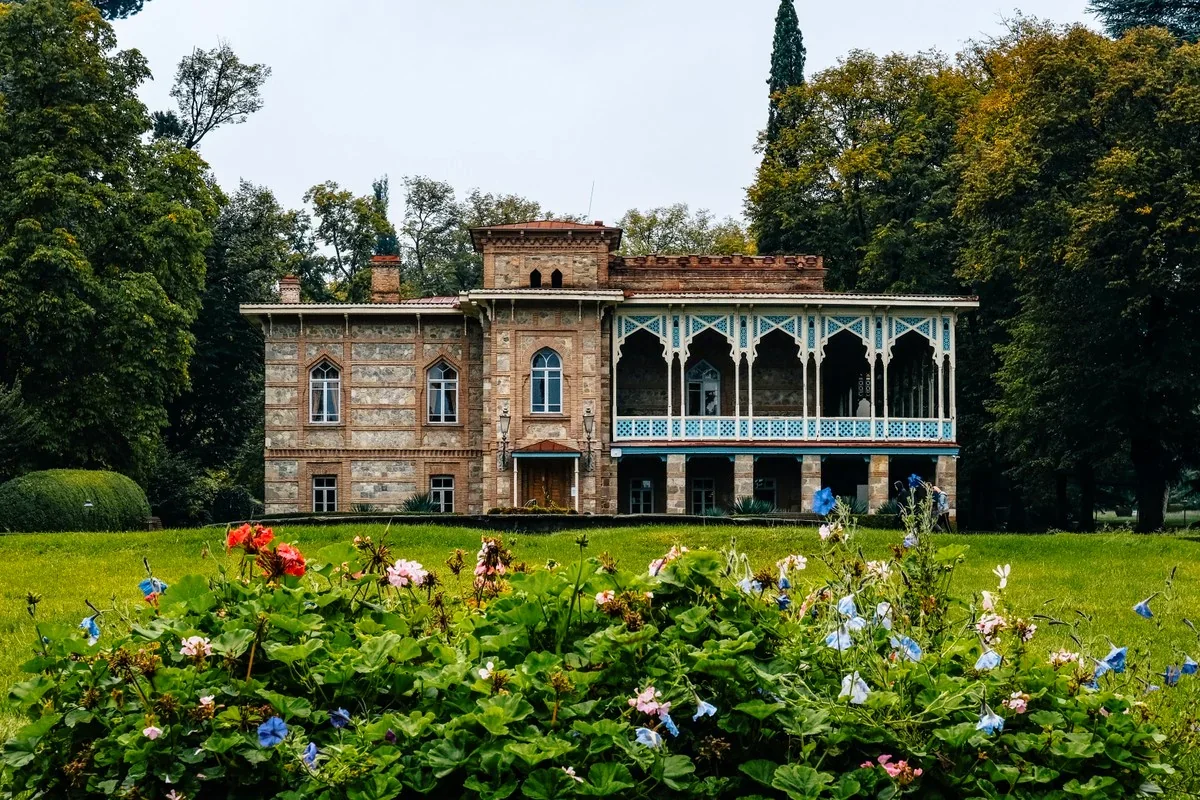
- A historic estate. Tsinandali, near Telavi, was the estate of the Chavchavadze family. Its house-museum and park are the draw, and its enoteca holds bottles back to 1814, the most famous an 1841 Saperavi[4]. Tastings here are structured and predictable; allow about two hours with one. Our Tsinandali estate guide tells the family's story.
- A qvevri maker. In Vardisubani, near Telavi, the Kbilashvili family still make qvevri by hand, and you can see vessels at different stages before tasting the wine made in them[3].
- A large winery. The big producers around Kvareli, including the tunnel cellar at Khareba, run tours and tasting packages for coach groups. They are easy and reliable, but less personal than the options above[3].
Two or three of these in a day is plenty. More than that and the wines blur together, and the day becomes about moving between cellars.
Sighnaghi or Telavi?
Kakheti has two classic day routes. You can join them in one day, but Sighnaghi and Telavi are about 1.5 hours apart, so a day that does both has little time left for sitting at a table.
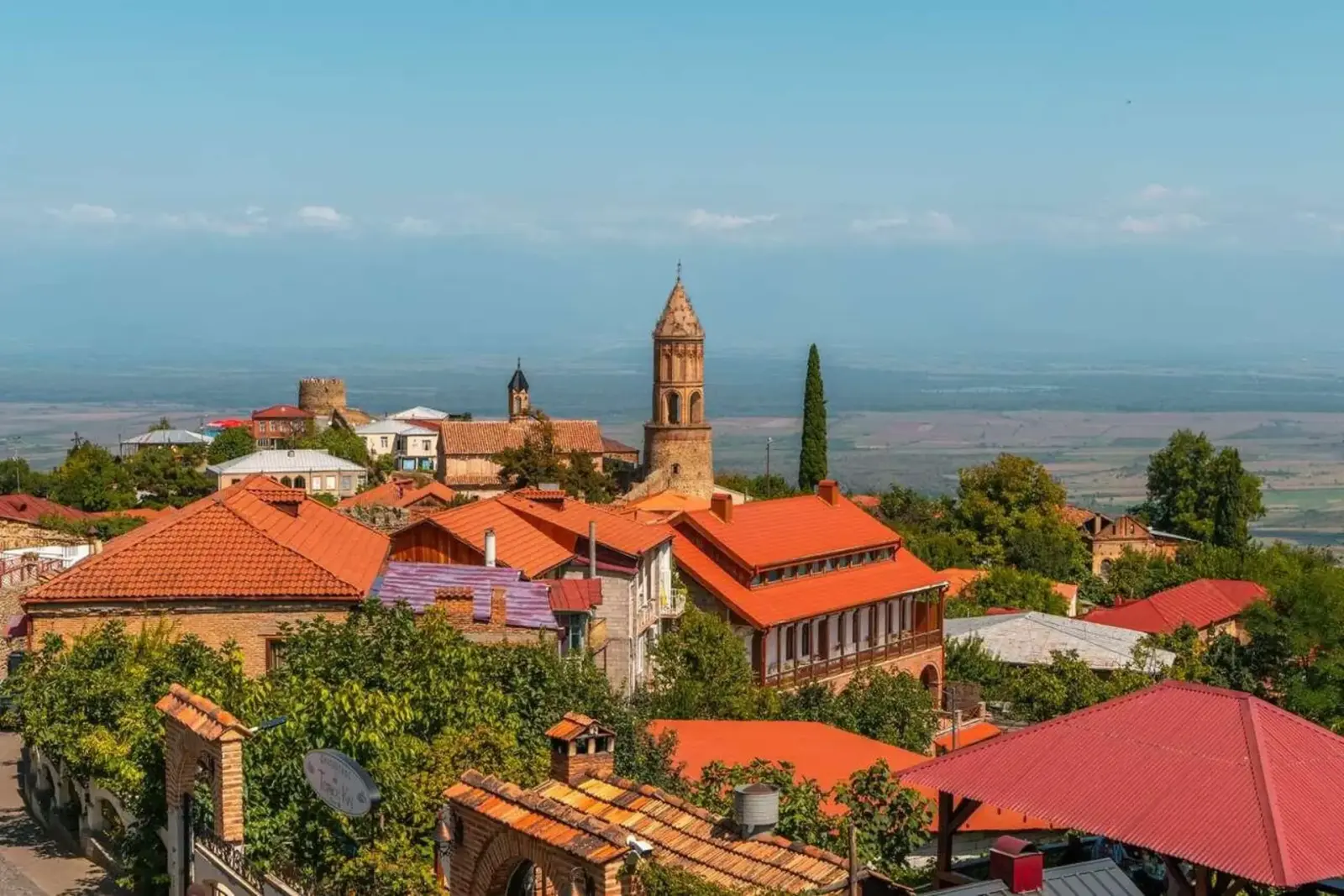
- The Sighnaghi side (about 110 km, 1.5–2 hours): Bodbe convent, where St Nino is buried; then Sighnaghi, a hill town inside walls built in 1762, looking over the Alazani Valley to the Greater Caucasus. Natural-wine cellars in and around town.
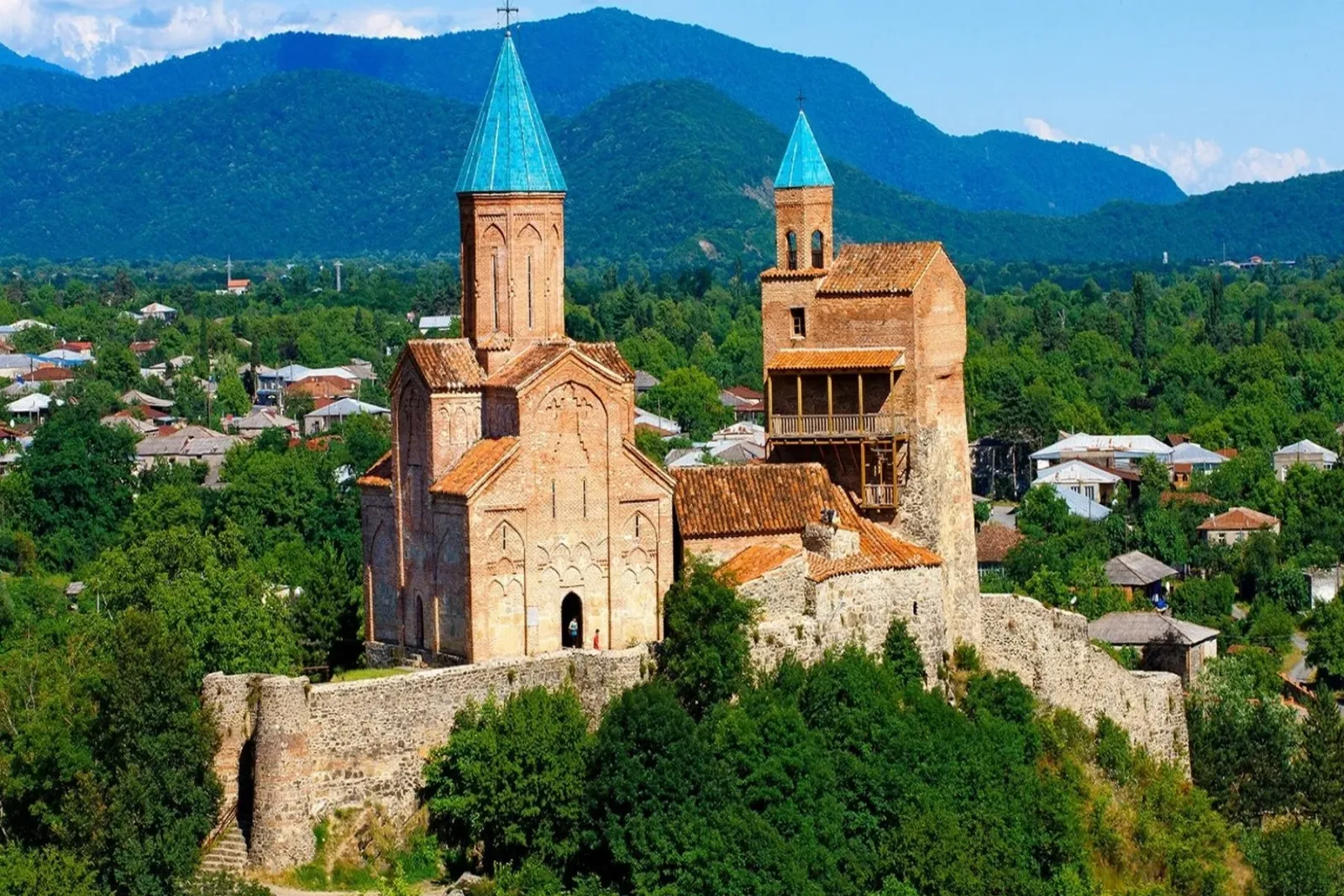
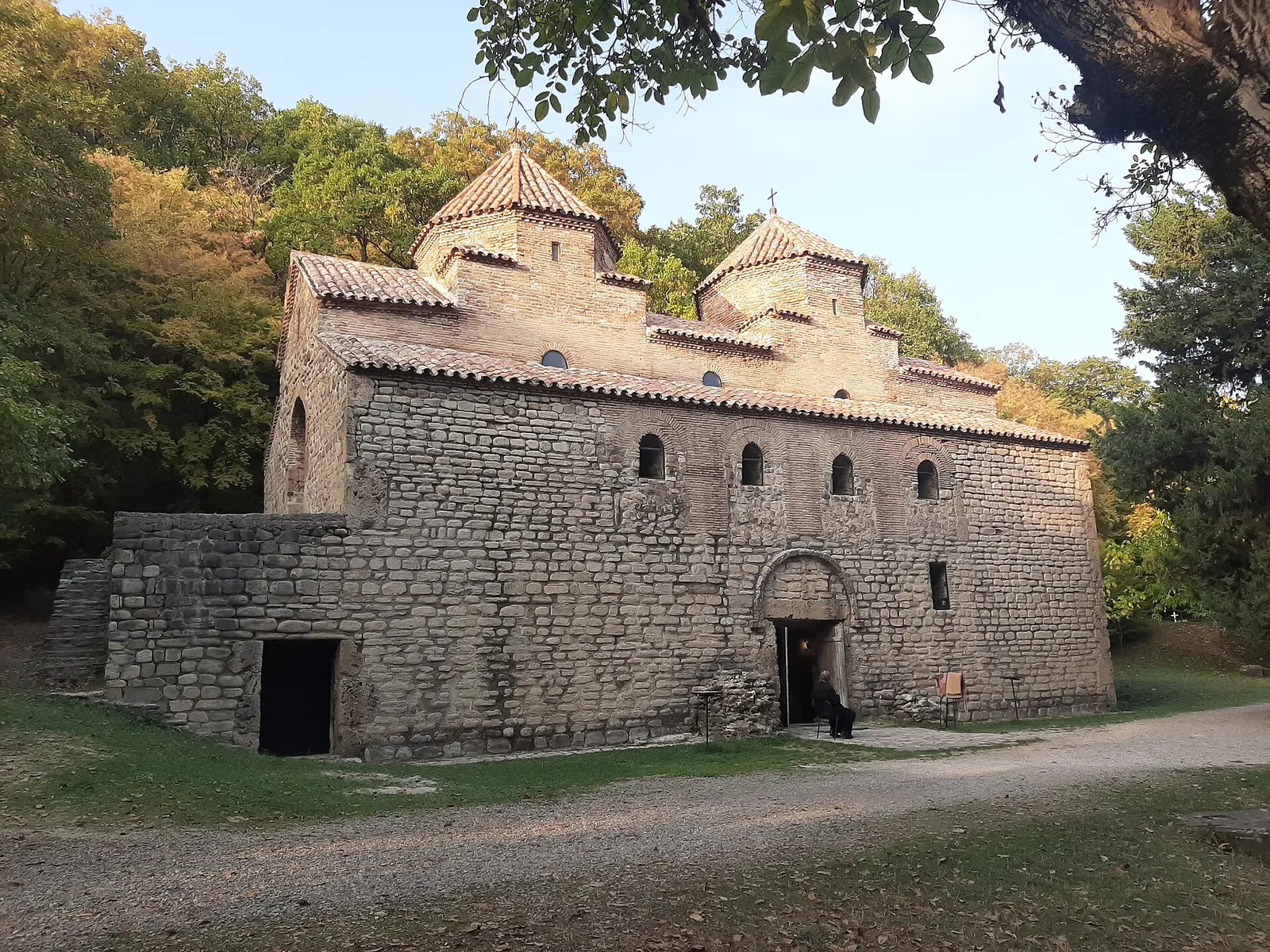
- The Telavi side (over the Gombori pass, about 2–2.5 hours): Telavi, the old seat of the Kakhetian kings; Tsinandali; the qvevri makers of Vardisubani; and Alaverdi, an 11th-century cathedral over 50 m tall whose monks still make wine[5]. Gremi's 16th-century church and royal tower are a little further north.
If you only have one day and it's your first visit, the Sighnaghi side has more to see between tastings. If you care most about wine, the Telavi side has more cellars close together. Separate guides cover Sighnaghi and Bodbe and Telavi, Alaverdi and Gremi.
A Tbilisi wine tour by car, hour by hour
This is how our private Kakheti wine day trip usually runs. It combines both sides by driving out one way and back the other, and keeps the tastings to two:
- 09:00 Pickup in Tbilisi and the drive east (about 1.5–2 hours).
- 11:00 Bodbe convent, then Sighnaghi's walls and old town.
- 13:00 Lunch in Sighnaghi, ideally somewhere with a view of the valley.
- 14:30 Drive to Tsinandali (1–1.25 hours) for the house-museum and a tasting.
- 16:30 A family qvevri cellar near Telavi.
- 17:15 Back over the Gombori pass, reaching Tbilisi around 19:00–19:30.
That's about 280 km and 5 hours of driving over a 10–10.5 hour day. Because the car is yours, the order changes easily: a longer lunch, a qvevri maker instead of the museum, or more time on the walls. Hotel pickup and drop-off, the car (a sedan for 1–3 travellers, a minivan for 4–8) and both tastings are included. Lunch is not, but your guide can book a table with a valley view in Sighnaghi.
Wine tasting with less than a full day
Kakheti fills a 10–10.5 hour day, but a Tbilisi wine tour can be shorter. With only a morning or an afternoon, our private half-day trip to Mtskheta and Château Mukhrani stops at Jvari and Svetitskhoveli, then ends with a cellar tour and tasting at a royal estate winery in Kartli, back in Tbilisi after 5.5–6 hours. To stay in the city, the private Tbilisi food and wine walk takes about 4.5 hours from late afternoon into the evening, with three glasses of Georgian wine at a natural-wine bar.
When to go
- Harvest (Rtveli), late August to October. The busiest and liveliest time, with grapes coming in and cellars working. The official 2026 harvest in Kakheti began on 10 September[6]. Rtveli isn't a single event on a fixed date; each vineyard picks when its grapes are ready, so a "join the harvest" day needs flexible dates. On our private harvest day from Tbilisi the host family confirms the date 7–10 days ahead; our Rtveli harvest guide covers planning.
- Festivals. The Gurjaani Wine Festival, with over 100 producers, was on Saturday 10 October 2026[6]. The Tsinandali classical music festival runs at the estate each September.
- May and June. Green vineyards, fewer visitors and comfortable temperatures.
- July and August. Hot in the Alazani Valley, often 30–35 °C[3]; start early and bring a hat.
- Winter. The vines are bare, but the cellars, the food and the tastings carry on, and you'll have them largely to yourself.
A day or a night?
A day trip covers the essentials. A night in Sighnaghi or Telavi changes the pace: you see the valley in the evening and early-morning light, you can accept a longer lunch without watching the clock, and a home-cooked supra with toasts becomes possible. Our 3-day private Kakheti wine tour is built around that slower pace, with short drives, a qvevri workshop and a family supra with a tamada. For a whole week of wine, our seven-day private wine tour of Georgia runs from Château Mukhrani in Kartli to the qvevri cellars of Kakheti. If you'd like to cook as well as taste, the Kakheti village cooking day spends the morning in a family kitchen and ends with a winery tasting.
Practical tips
- Don't drive yourself after tastings. This is the main reason most visitors go with a driver.
- Chacha, the grape spirit, will be offered. It's fine to say no; say so early.
- Dress for the churches: shoulders and knees covered at Bodbe and Alaverdi; women cover their hair (scarves are usually lent at the gate).
- Buying wine: family cellars sell bottles at cellar-door prices. Pack them in checked luggage, well wrapped, and check your airline's limits.
- Opening hours at museums and estates vary through the year; confirm them for your date rather than relying on an old guide.
Kakheti fits well into a longer route: see our 5-day Georgia itinerary. And for the food on the table, read our guide to Georgian food experiences.
Tours for this: Kakheti wine with us
The private Kakheti wine day trip covers Bodbe, Sighnaghi, Tsinandali and a family qvevri cellar in one day, with two tastings included. The 3-day private Kakheti wine tour adds nights in Sighnaghi and Telavi, a qvevri workshop and a family supra. Both run in your own car with an English-speaking driver-guide who doesn't drink. See each tour page for the current price, or build your own route and we'll send a private itinerary with a price. Nothing to pay now.
Sources
- UNESCO Intangible Cultural Heritage, "Ancient Georgian traditional Qvevri wine-making method" (2013): ich.unesco.org
- McGovern et al., "Early Neolithic wine of Georgia in the South Caucasus", PNAS, November 2017: pnas.org
- TripBox, "Wine Tours in Kakheti 2026": tripbox.ge
- Tsinandali Estate, museum and enoteca: tsinandali.ge
- Wikipedia, "Alaverdi Monastery": en.wikipedia.org
- Wander-Lush, "Where to Go for the 2026 Rtveli": wander-lush.org
- Sakhva Travel, "Kakheti: complete guide" (May 2026): sakhva-travel.com
Last checked: September 2026. Harvest and festival dates change every year.