Georgian wine guide

Rare Georgian grapes and the wines they make

Georgia grows more than 500 native grape varieties, yet Rkatsiteli and Saperavi fill most of its vineyards. Kisi, Krakhuna, Ojaleshi, Chkhaveri and Usakhelouri shrank to a few villages and are coming back: what each tastes like, where it grows and how to try it.

The five grapes at a glance

Tap a grape to read about it. The squares are our own guide to how hard its wine is to find in Tbilisi shops.

The grapes

Five rare Georgian grape varieties

From the amber wines of Kakheti in the east to the vines that once climbed trees by the Black Sea.

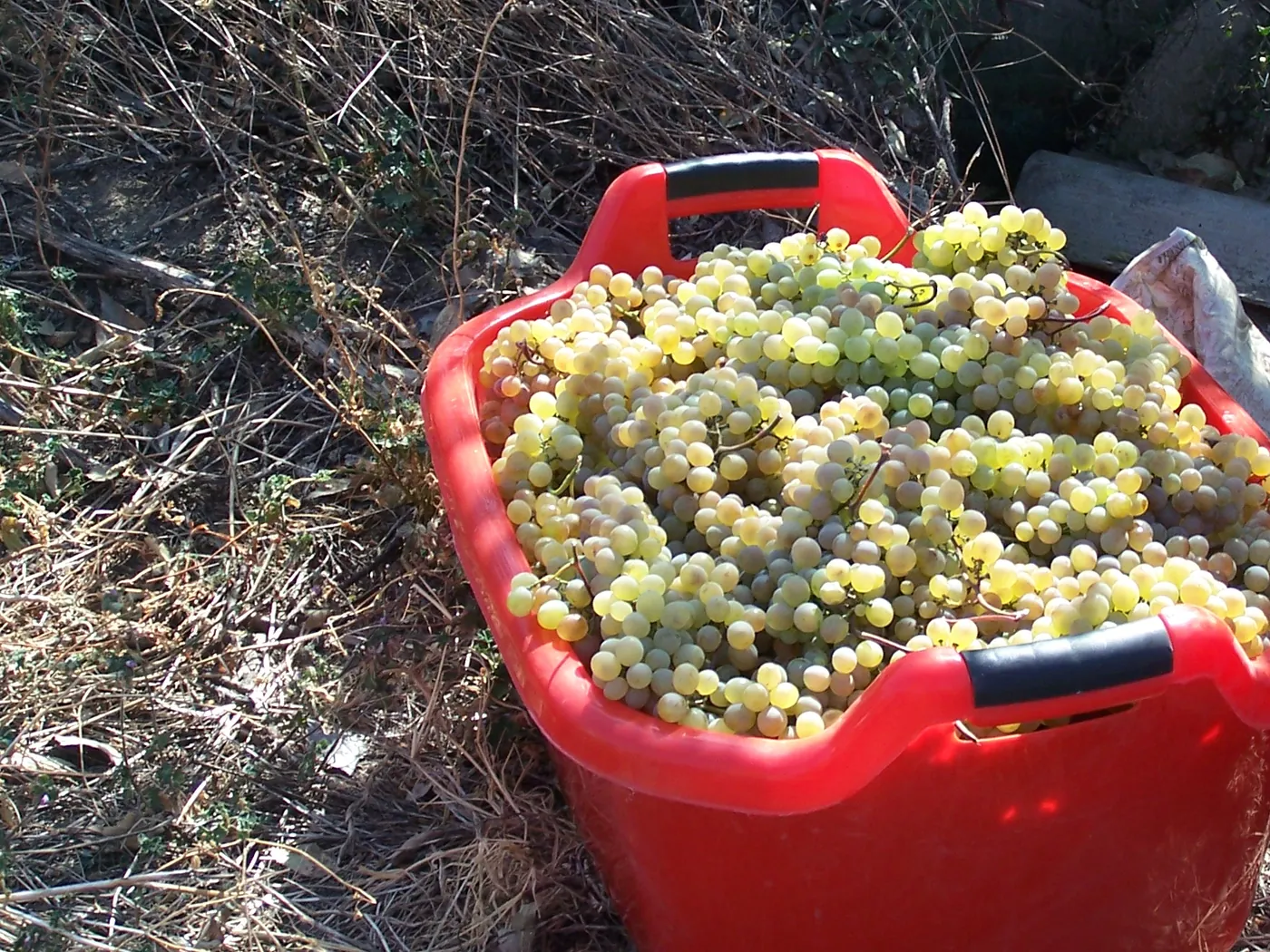
A red basket full of freshly picked white grapes on the ground at a Kakheti harvest
White grapes at the October harvest in Kakheti, where Kisi grows

ქისი

Rare

Kisi

Kakheti, eastern Georgia

AmberDryQvevri
Style
Amber, made in qvevri
With
Roast chicken, mushrooms, aged cheese

Kisi catches powdery mildew easily, so Soviet collective farms planted Rkatsiteli instead, and by 2000 only scattered vines were left in Kakheti. Growers have replanted it since, and in 2019 a Kisi became the first Georgian qvevri wine named Best in Show at the Decanter World Wine Awards.

Taste: Dried apricot, pear, honey, a gentle grip of tannin.
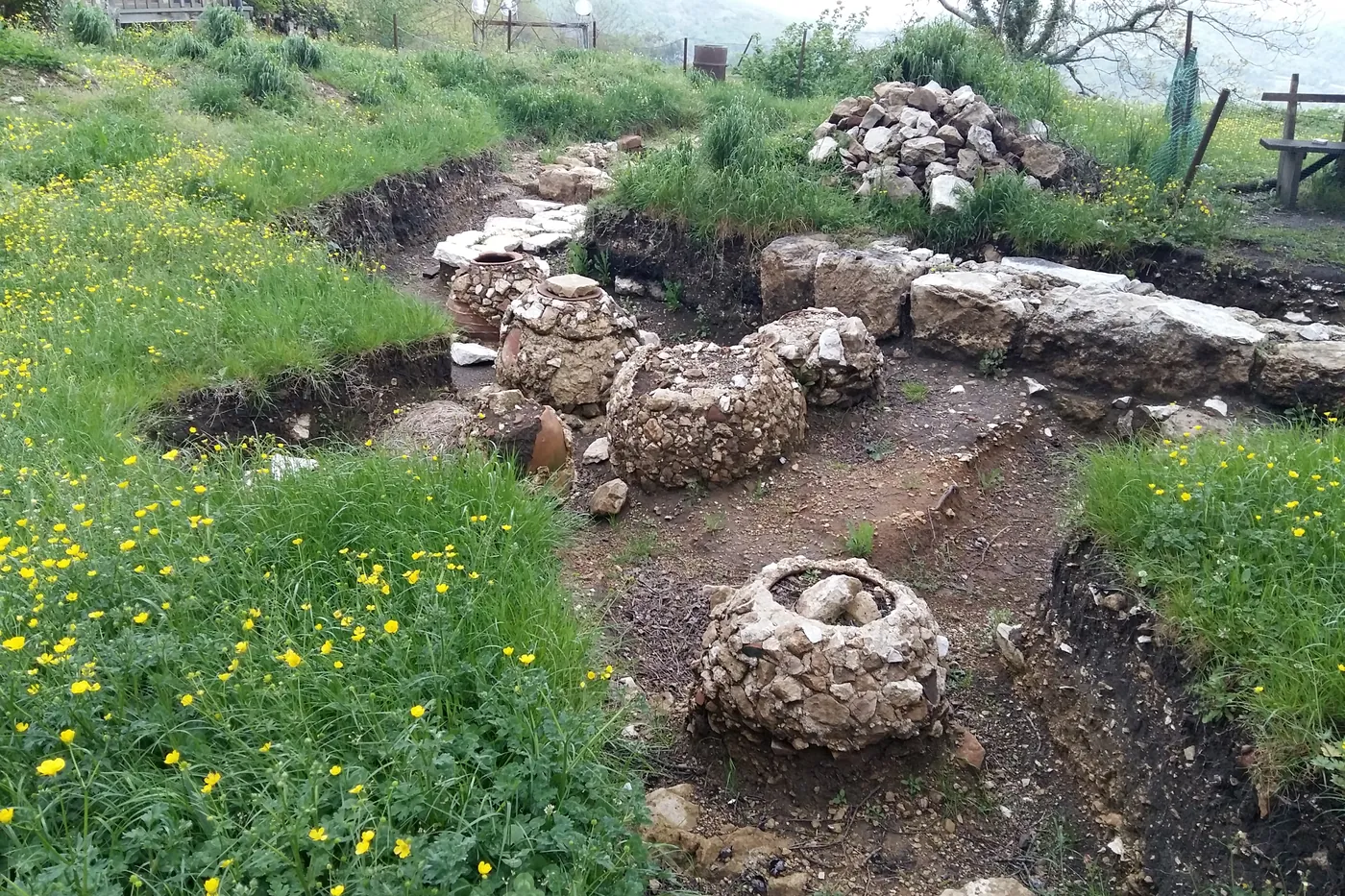
Old clay qvevri unearthed among grass and stones near Gelati monastery
Old qvevri at Gelati, in Krakhuna's home region of Imereti

კრახუნა

Rare

Krakhuna

Sviri, Obcha and Dimi villages · Imereti

WhiteDry
Style
Dry white, in qvevri with part of the skins, or European style
With
Imeretian khachapuri, trout, herbs

A white grape grown almost only in Imereti, in west-central Georgia. Its name is read as 'crispy' in the local dialect, after its firm berries. Most of the harvest disappears into blends such as Sviri, so a bottle of pure Krakhuna is a find. Imeretian cellars ferment it with only part of the skins, which keeps it fresher than a Kakheti amber wine.

Taste: Yellow plum, citrus peel, a firm mineral line.

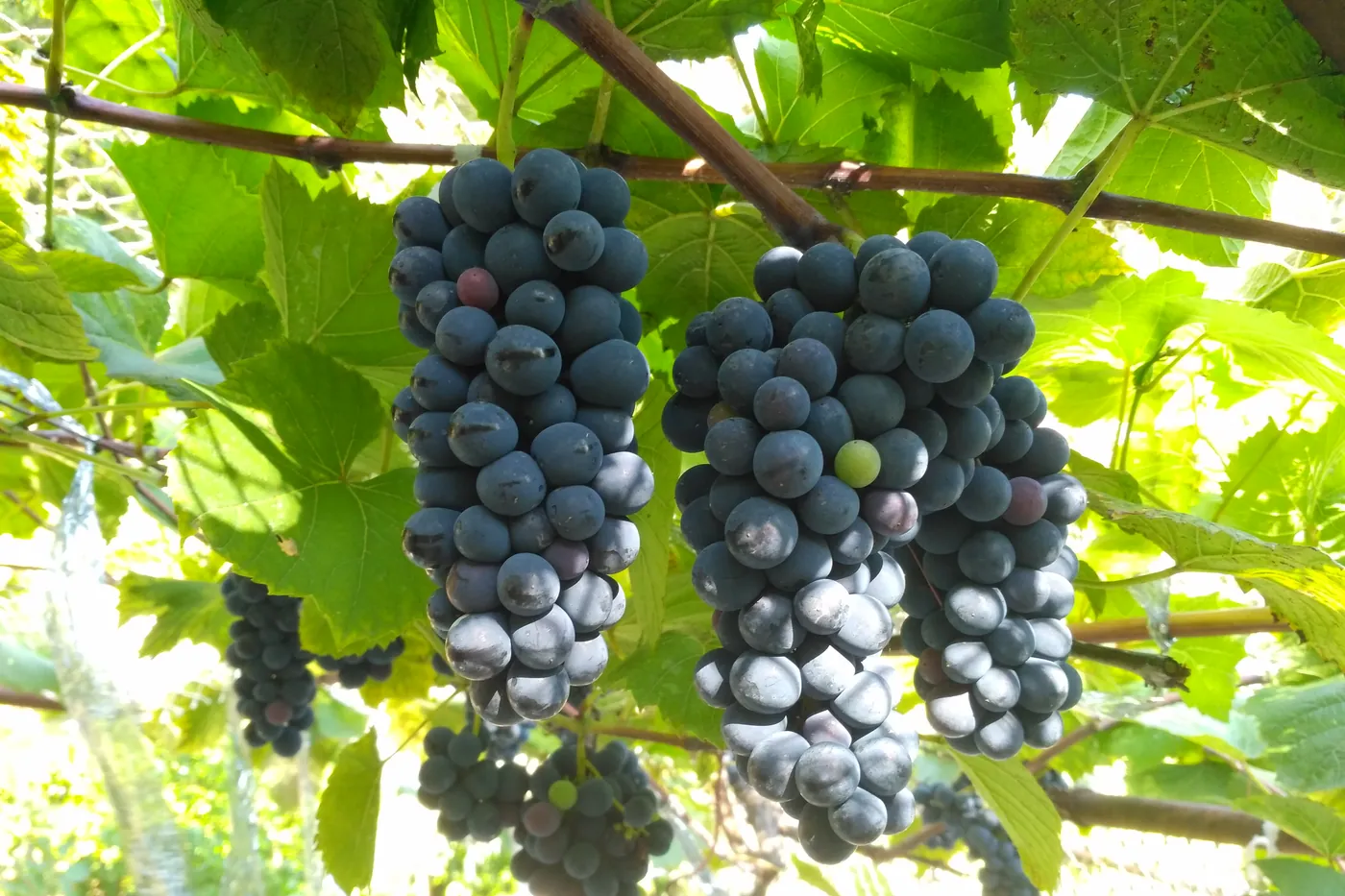
Two large bunches of dark Ojaleshi grapes under vine leaves
Ojaleshi grapes at harvest

ოჯალეში

Very rare

Ojaleshi

Martvili and Tsalenjikha · Samegrelo

RedSemi-sweet
Style
Red, semi-sweet
With
Spicy Megrelian dishes, grilled meat

One of the oldest grapes of Samegrelo. The name means 'growing on a tree' in Megrelian: families let the vines climb the trees around their houses. Only small plots are left, most of them around Martvili and Tsalenjikha, and most Ojaleshi is made semi-sweet.

Taste: Black pepper, dark cherry, wild herbs.

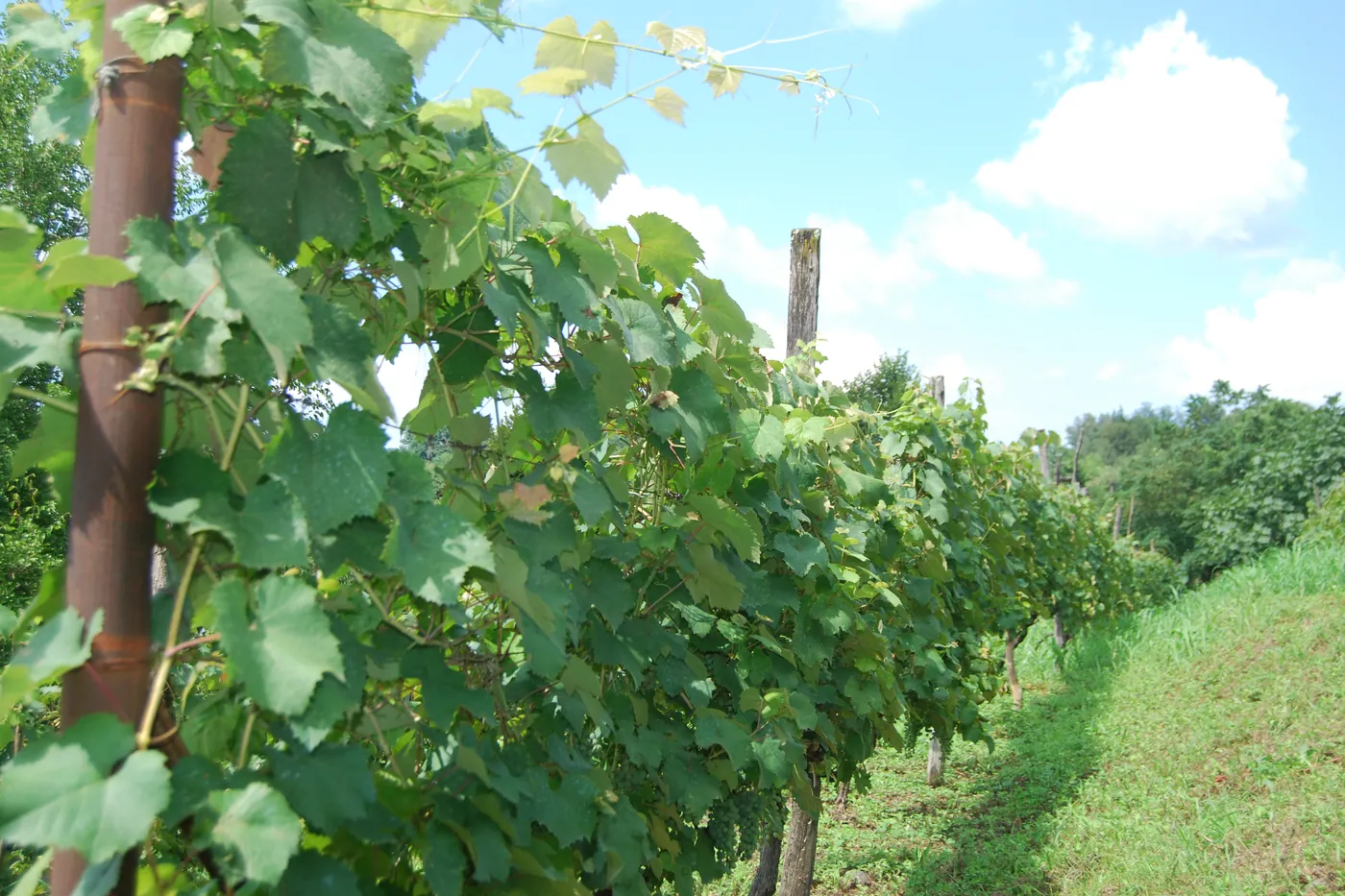
Rows of Chkhaveri vines on a sunny hillside
Chkhaveri vineyards in Sakvavistke, Guria

ჩხავერი

Very rare

Chkhaveri

Guria and Adjara, by the Black Sea

RoséLight red
Style
Pale red or rosé, sometimes sparkling
With
Fish, Adjarian dishes, summer evenings

A pink-skinned grape from Guria that once climbed the trees of the humid Black Sea coast, a way of growing Georgians call maghlari. It ripens late, often in November, and makes pale reds, rosés and a few sparkling wines, all with bright acidity.

Taste: Strawberry, rose petal, bright acidity.

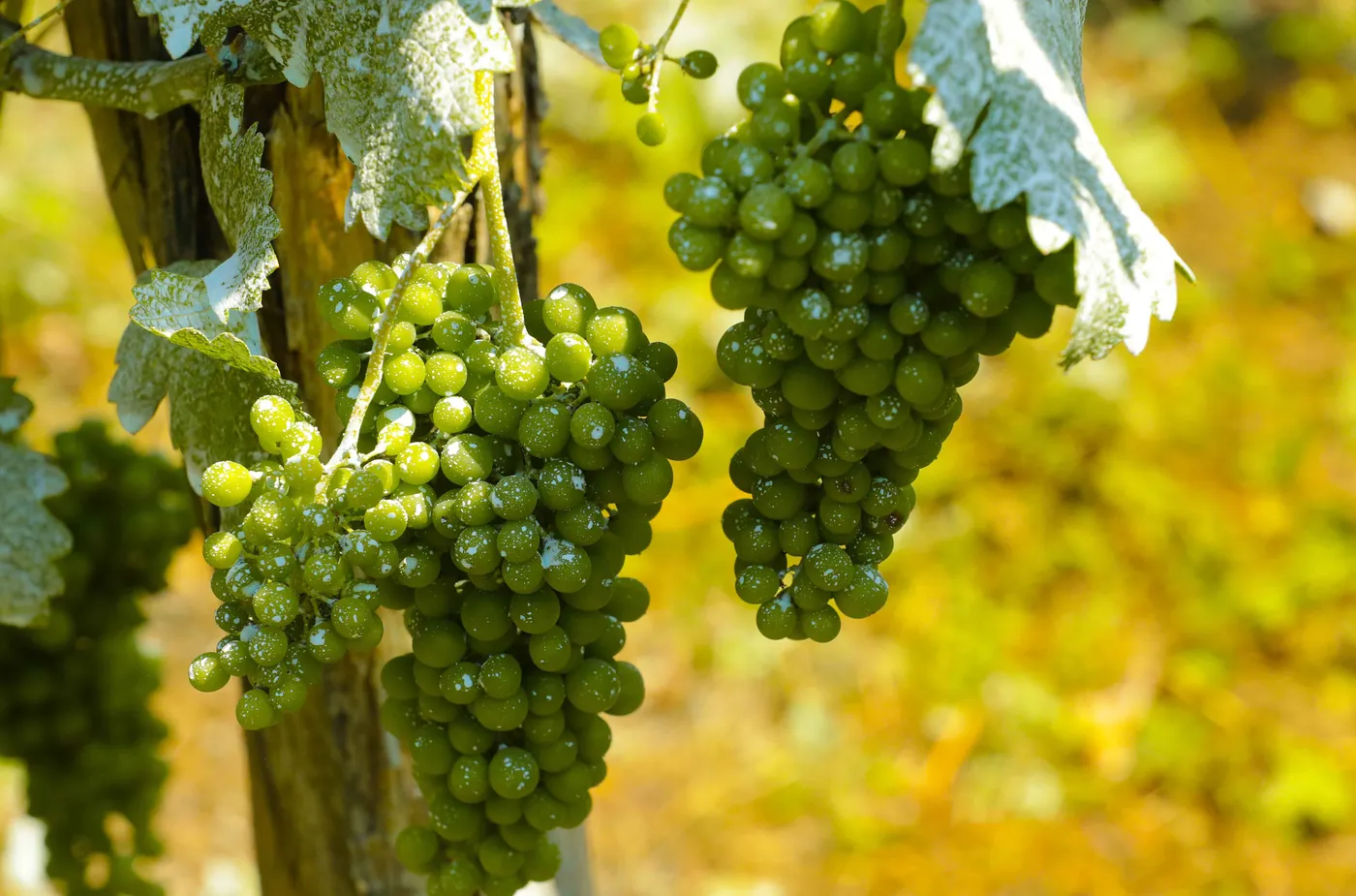
Green bunches of Usakhelouri grapes hanging from an old vine in July
Usakhelouri in Lechkhumi in July, before the berries turn dark

უსახელოური

Almost impossible

Usakhelouri

Okureshi village · Lechkhumi, western Georgia

RedSemi-sweetProtected name
Style
Naturally semi-sweet red
With
On its own, or with dark chocolate

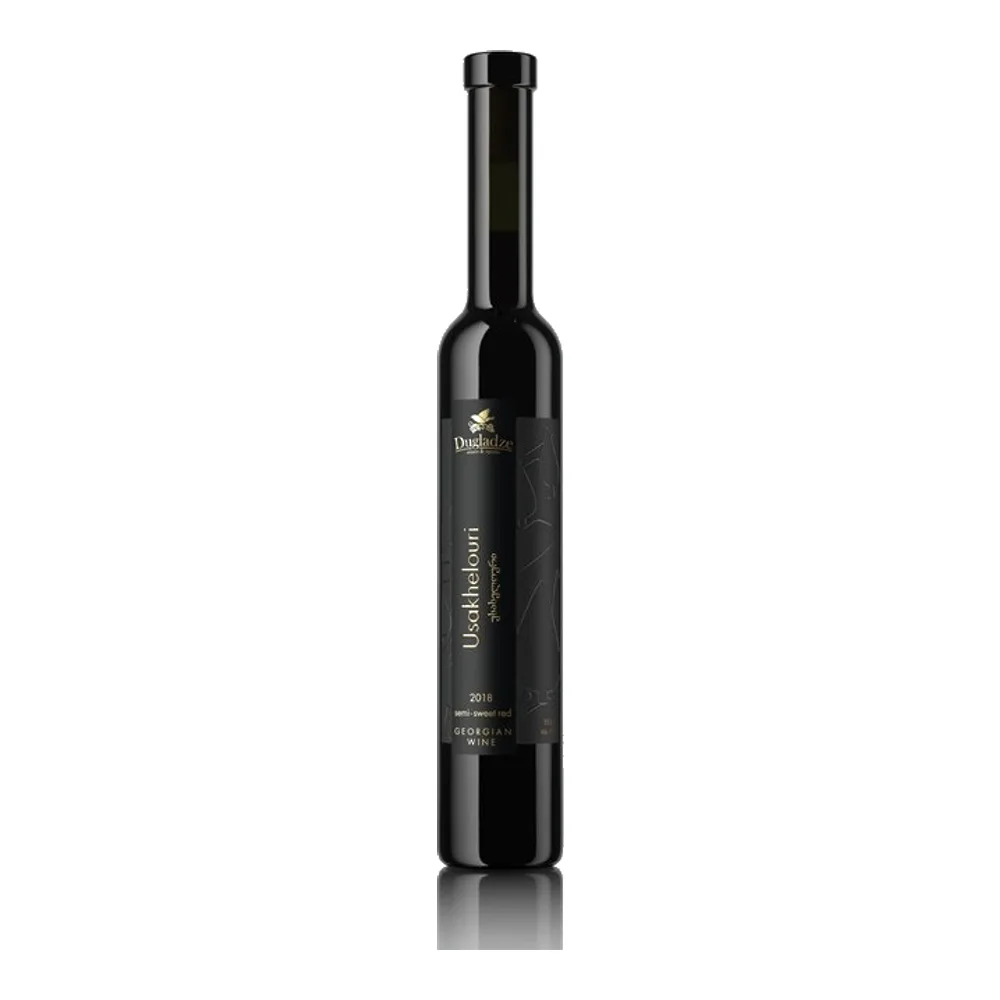
Its name means 'nameless'. It grows on a few steep slopes around Okureshi in Lechkhumi, the harvest is only a few tons of grapes a year, and in 2022 Okureshi Usakhelouri became a protected name. Most of it is made naturally semi-sweet: fermentation stops before all the sugar is gone.

Taste: Wild strawberry, raspberry, violets, velvety.

On your trip

Where to taste rare Georgian wine

Kisi is poured in many Kakheti family cellars, so ask for it at a Kakheti tasting. The western grapes come from small village cellars in Imereti, Samegrelo, Guria and Lechkhumi: on a private tour, tell us which one you want to taste and we look for a cellar on your route.

In the shop

Take rare Georgian wine home

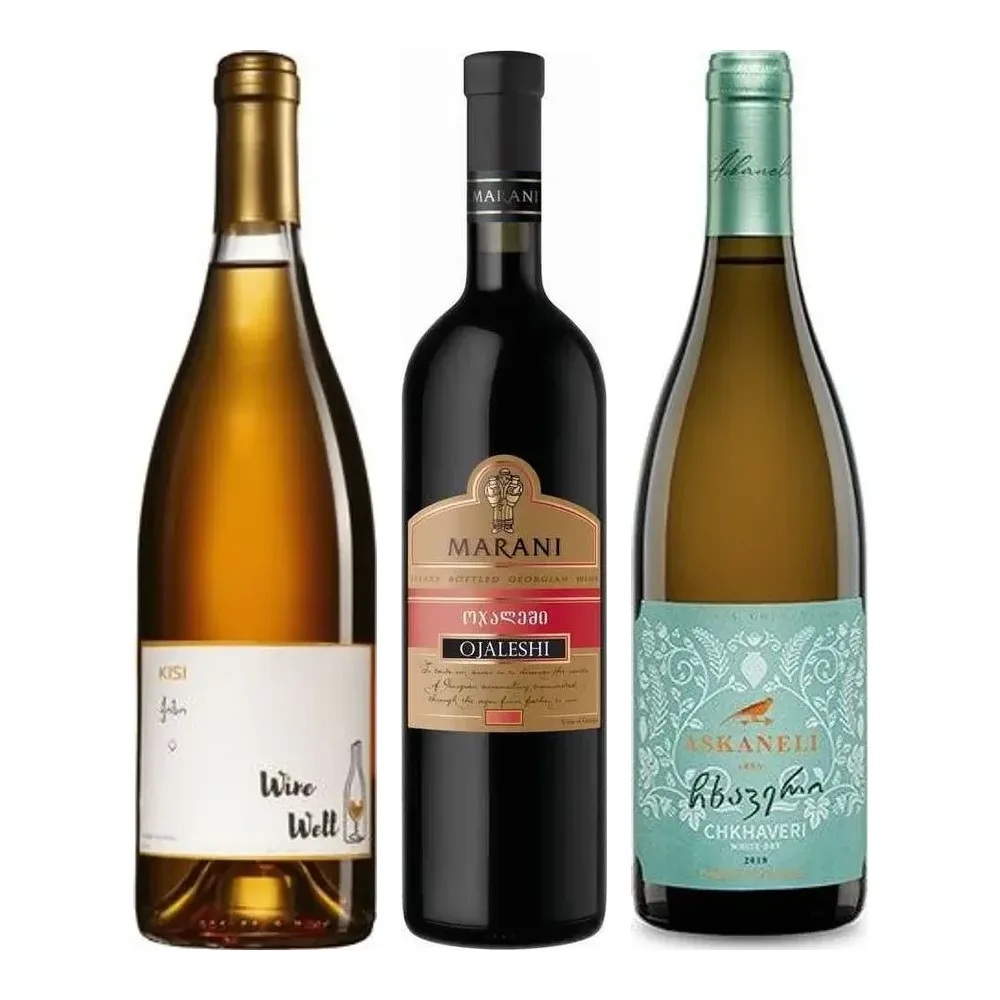
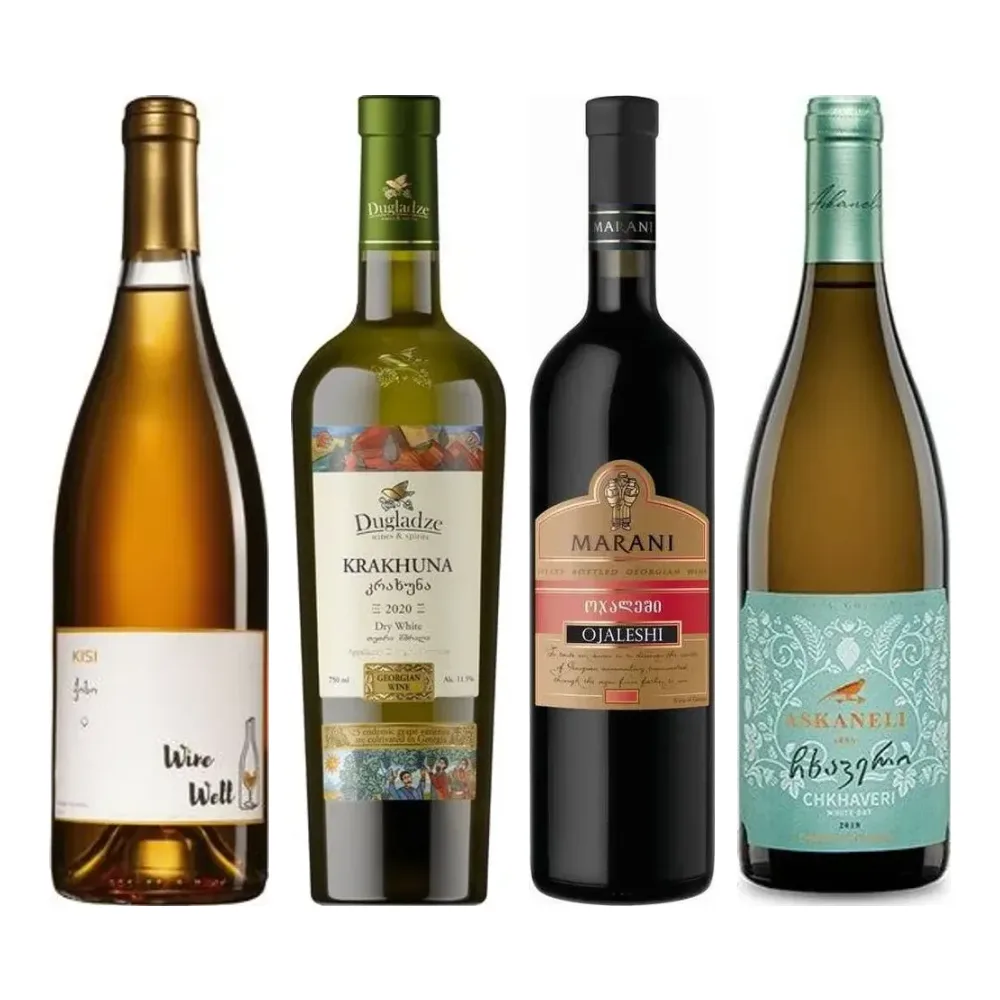
Supply is small and changes every season, so we confirm each bottle before your trip and hand it over on your last day.

Usakhelouri

Okureshi village · Lechkhumi, western Georgia

from $150/bottle

Questions about rare Georgian grapes

How many grape varieties does Georgia have?

More than 500 native varieties are recorded, and Georgia's grape collections keep over 400 of them alive. Two dominate: Rkatsiteli (white) and Saperavi (red) make up most of the harvest, while all the other native grapes together are only a few per cent of it.

What is the rarest Georgian wine?

Usakhelouri is the usual answer. It grows on a few slopes around Okureshi in Lechkhumi, the harvest is only a few tons of grapes a year, and since 2022 Okureshi Usakhelouri has been a protected name. It is one of Georgia's most expensive wines.

Is Kisi an amber wine?

It can be either. Made without the skins, Kisi is a pale, floral white. Fermented in qvevri on its skins, as many Kakheti families make it, it turns amber, with dried apricot, honey and gentle tannin. The Kisi in our shop is the amber qvevri style.

Are Ojaleshi and Usakhelouri sweet?

Usually semi-sweet. Both are red grapes from western Georgia, where winemakers traditionally stop fermentation before all the sugar has turned to alcohol. Dry versions exist too; the Ojaleshi and Usakhelouri we sell are semi-sweet.

Photos: rugbyxm (CC BY 2.0) · Mutialulu (CC0) · Uka2000 (CC BY-SA 4.0) · M. (CC BY-SA 4.0) · Giorgi Abdaladze (CC BY-SA 4.0) · Wikimedia Commons

Wine and chacha are sold only to adults and handed over in Georgia, packed for checked luggage. Pay by card when you order.