The short answer: Imereti, the region around Kutaisi in western Georgia, makes lighter, fresher wines than Kakheti. The main grapes are the whites Tsolikouri, Tsitska and Krakhuna, and the red Otskhanuri Sapere. Wine is made in clay vessels buried in the ground, called churi here rather than qvevri, and the Imeretian method ferments the juice with only a small part of the grape skins and no stems. The result is a pale amber or golden wine with more acidity and much less tannin than a Kakhetian amber wine.
Where Imereti is
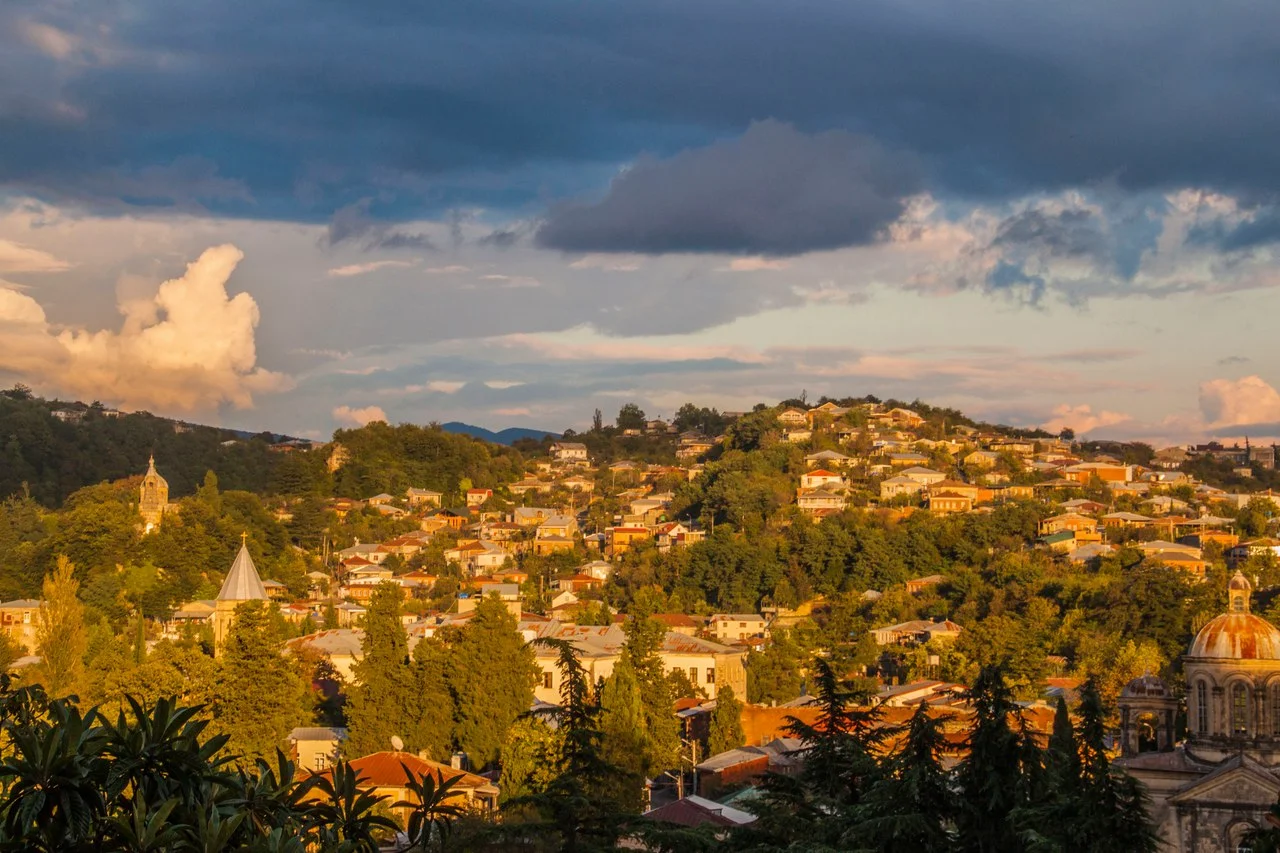
Imereti is in the west-centre of Georgia, along the Rioni river and its tributaries, with Kutaisi as its main city. It is wetter and greener than Kakheti, with more rain, more cloud and cooler nights, and its vineyards sit from near sea level up to about 500 m. Most are small: much of the region's wine is still made by families for their own table, in cellars behind the house.
The Imeretian method
All Georgian qvevri wine starts the same way: crushed grapes go into a large clay vessel buried in the ground, where they ferment and rest at a steady temperature. The difference between regions is how much of the chacha, the skins, pips and stems, goes in with the juice.
- Kakhetian method: the whole lot, skins and often stems, left in contact for months. The result is a deep amber wine with firm tannin.
- Kartli: somewhere in between, with about a third of the chacha.
- Imeretian method: only a small share of the skins, often described as about a tenth, and no stems at all. The contact is shorter, so the wine is lighter in colour and softer, closer to a European white.
Sources don't agree on the exact proportions, and each family has its own habits; treat them as a guide to the style rather than a rule. The qvevri tradition as a whole has been on UNESCO's list of Intangible Cultural Heritage since 2013. For the basics of amber wine and the grapes of the east, see our guide to Georgian wine grapes and amber wine.
Churi and the qvevri makers
In western Georgia the clay vessel is usually called a churi. Imereti is also one of the places where the vessels themselves are made: the villages of Makatubani and Shrosha have long been known for qvevri-making families who pass the craft down through the generations. If you are interested in the craft rather than just the wine, ask your guide whether a workshop can be visited on your dates; they are working businesses, not museums.
The grapes to know
- Tsolikouri (white): the most widely grown grape in the west. Fresh, citrusy wines with good acidity, and fuller amber wines when made in churi.
- Tsitska (white): high in acidity, crisp and light. Also used for sparkling wine.
- Krakhuna (white): rounder and more aromatic, with notes of ripe fruit.
- Otskhanuri Sapere (red): a dark, sharp red with firm acidity, grown in small amounts.
The main protected appellation in Imereti is Sviri, a dry white from Tsolikouri, Tsitska and Krakhuna grown around the village of Sviri. On a wine list you are more likely to see the grape names than the appellation.
Racha, the mountain region to the north-east of Imereti, is a different story: it is known for the naturally semi-sweet red Khvanchkara. Our Racha guide covers it, and our post on wine regions beyond Kakheti puts all the western regions side by side.
How it tastes, and what to eat with it
If you have found Kakhetian amber wines too tannic, try an Imeretian one. They are lighter, with fresh acidity, notes of citrus, yellow apple and dried herbs, and a pale gold colour. They go well with the food of the west: Imeretian khachapuri, the round cheese bread; pkhali, the vegetable and walnut pâtés; and trout or chicken with herbs.
When to go
The harvest in Imereti is later than in Kakheti, usually from late September into October. Outside harvest time you can still taste all year: families keep last year's wine in the churi and bottle or pour it through the winter and spring. Spring and autumn are the pleasant seasons for driving around the region; July and August are humid.
Visiting family cellars
Imereti has fewer big wineries than Kakheti and more small family producers. Some, such as Baia's Wine, have become known well beyond Georgia for their natural wines. Many smaller cellars don't have regular opening hours, so a visit is arranged in advance through a contact. Expect a tasting in the cellar or the garden, often with food, and very little English unless your guide translates.
A few tips:
- Arrange visits ahead. Family cellars are homes; nobody expects walk-ins.
- Pace yourself. Tastings in the west tend to turn into meals, with chacha at the end.
- Carry bottles in checked luggage. Cellar-door bottles are a good souvenir.
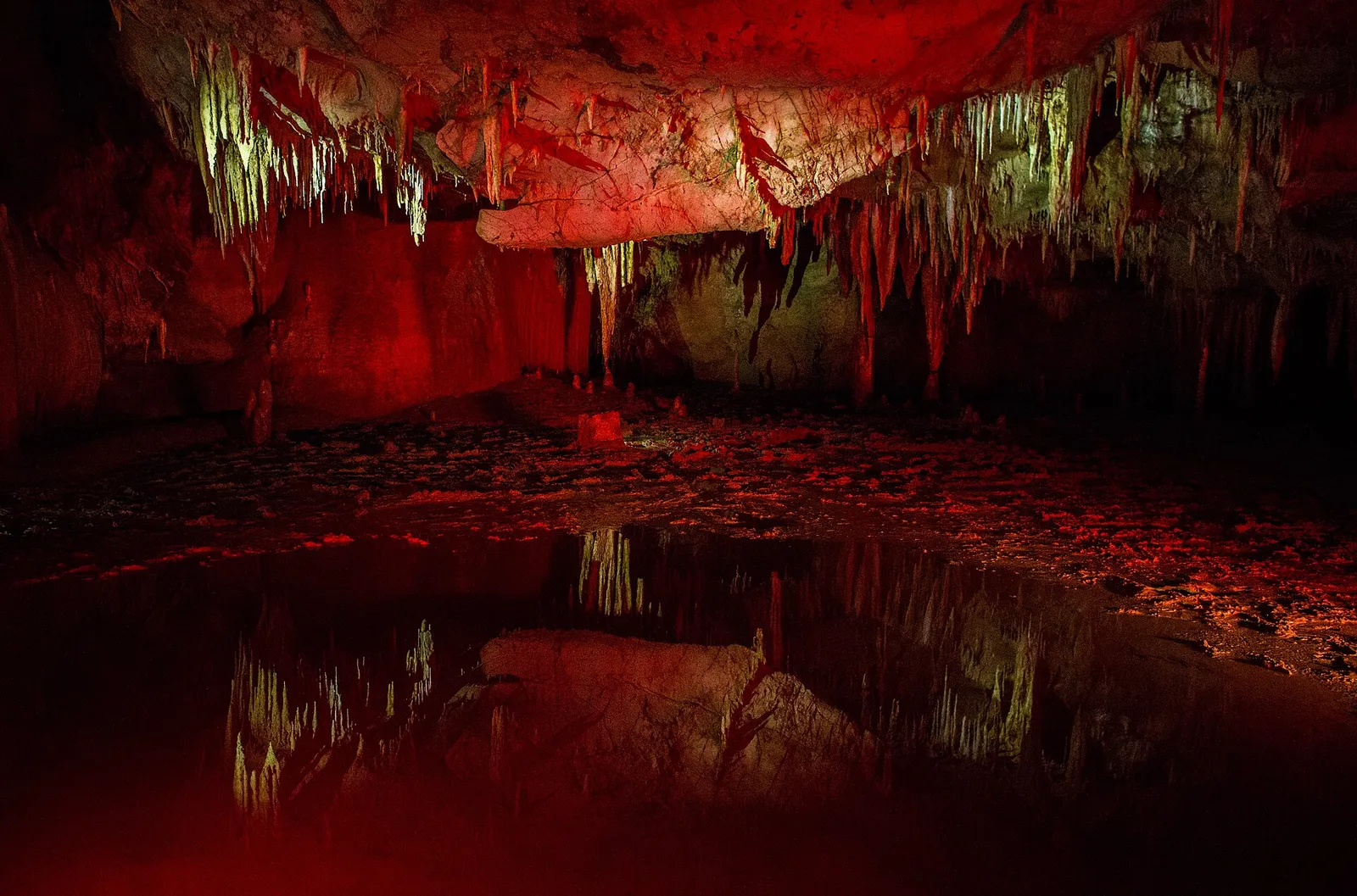
- Combine it with sights. Gelati Monastery, Kutaisi's only UNESCO site, and the Prometheus cave are both close to the city.
Tasting Imereti with us
We don't sell a fixed Imereti wine day, but it fits into our western routes. Western Georgia in 6 days starts with a night in Kutaisi, and we can add a family-cellar tasting nearby. For a full week of wine, the private Georgia wine tour, 7 days covers Kakheti, Mukhrani and Kvemo Kartli, and we can swap a day for Imereti if you are flying into Kutaisi. Both are private, with a driver-guide who doesn't drink; see the tour pages for the current price. Or plan your own wine route. Nothing to pay now.
Sources
- UNESCO Intangible Cultural Heritage, "Ancient Georgian traditional Qvevri wine-making method" (2013): ich.unesco.org
- Wikipedia, "Kvevri" (regional methods, churi, qvevri-making villages): en.wikipedia.org
- Wineland, "Georgian wine regions: Imereti": wineland.ge
- Wikipedia, "List of Georgian wine appellations": en.wikipedia.org
Last checked: September 2026.