

Georgia Archaeology Tour — 5 Days, Private: Cave Cities & Dmanisi
Tbilisi · Mtskheta · Grakliani Hill · Uplistsikhe Cave Town · Akhaltsikhe (Rabati Castle) · Vardzia · Khertvisi Fortress · Borjomi · Dmanisi · Bolnisi Sioni
概览
A five-day private archaeology tour from Tbilisi for travellers who want time at each site: the gold of the Georgian National Museum, the rock-cut town of Uplistsikhe, the Vardzia cave monastery, and Dmanisi, where hominin fossils about 1.8 million years old were found. Site guides at Vardzia and Dmanisi and the entry fees are included. Day one is the National Museum's archaeology halls and Treasury in Tbilisi. Then you head west through Mtskheta, the Grakliani Hill excavations and Uplistsikhe to Akhaltsikhe for two nights, with a full day for Vardzia, Khertvisi fortress and Rabati Castle. After a return via Borjomi, the last day goes south to Dmanisi for an extended guided tour, then Bolnisi Sioni, a 5th-century church with some of the oldest dated inscriptions in the Georgian script. You finish at a wine cellar in Kvemo Kartli, the region where traces of winemaking from about 6000 BC were found. Driving days are 3–4 hours. Part of the Vardzia route has been closed since a rockfall in May 2026; we confirm current access when booking.
行程
10 站: Tbilisi, Mtskheta, Grakliani Hill, Uplistsikhe Cave Town, Akhaltsikhe (Rabati Castle), Vardzia, Khertvisi Fortress, Borjomi, Dmanisi, Bolnisi Sioni
1第 1 天Tbilisi: National Museum and Treasury
A museum and walking day in Tbilisi.
Pickup at your hotel or the airport
Georgian National Museum: archaeology halls and the Treasury
Lunch (not included)
Old Town walk
Overnight: Tbilisi (hotel, breakfast)
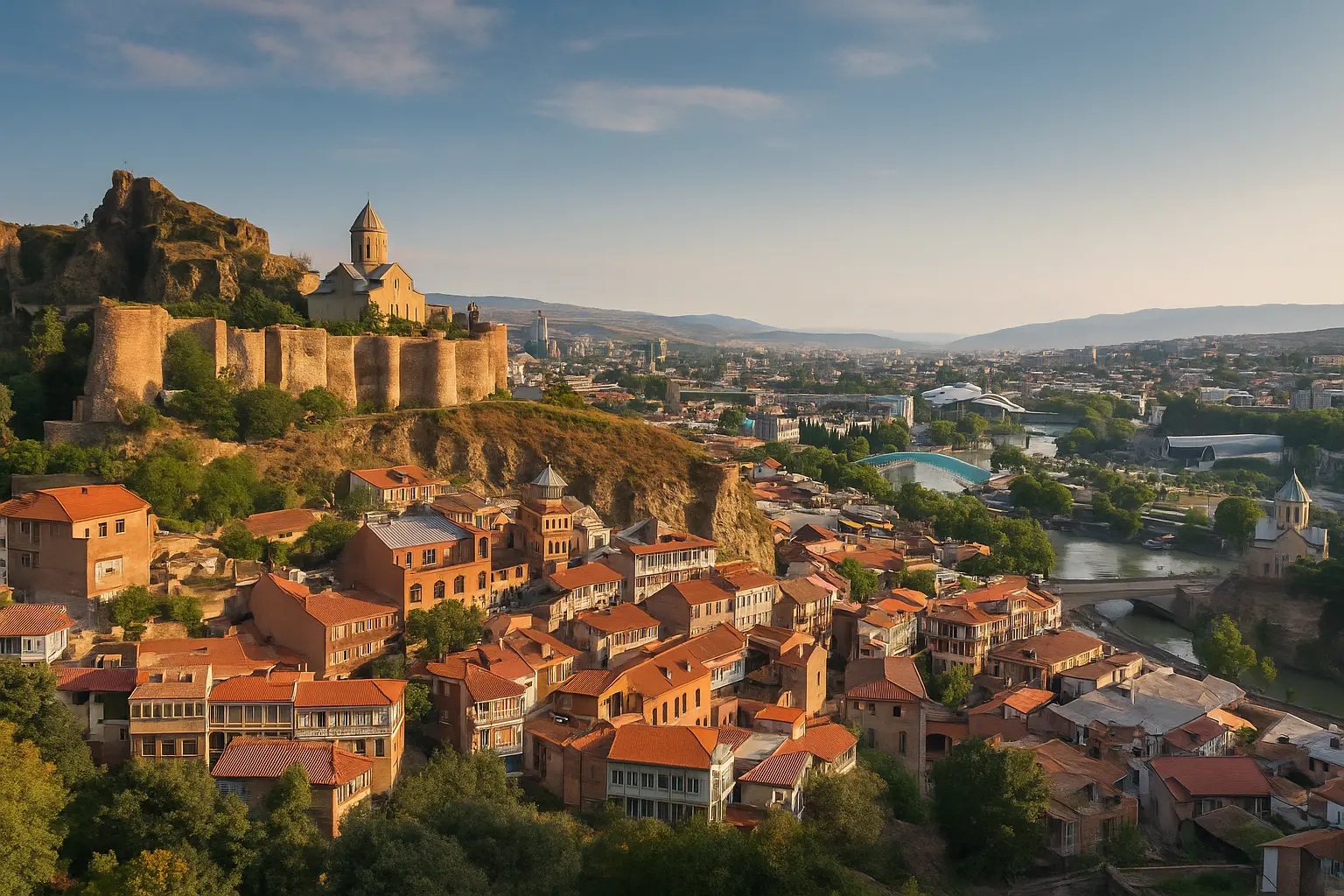
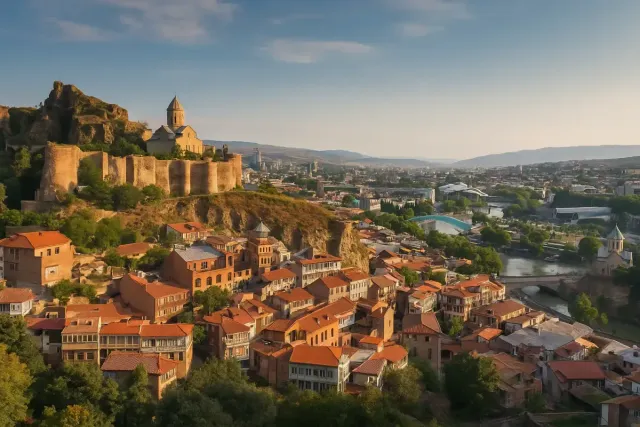 TbilisiDay 1: about 3 hours in the Georgian National Museum's archaeology halls and the Treasury, with Colchian and Iberian gold. Nights 1 and 4 in Tbilisi.
Day 1: about 3 hours in the Georgian National Museum's archaeology halls and the Treasury, with Colchian and Iberian gold. Nights 1 and 4 in Tbilisi.
Tbilisi, Georgia's capital, spreads along the Mtkvari river gorge between Narikala fortress and the Mtatsminda ridge. The places to visit in Tbilisi deserve 2–3 days of their own, and most trips begin and end here. Walk the Old Town from the domed sulphur baths of Abanotubani up to Narikala, cross the Bridge of Peace, spend a morning with the gold of the Georgian National Museum and eat your way through the city's wine bars and khinkali houses. Every day trip in this area starts from here. About 1.37 million people live in Tbilisi, roughly a third of the country.
查看目的地详情
2第 2 天Mtskheta and Uplistsikhe to Akhaltsikhe
About 4 hours of driving.
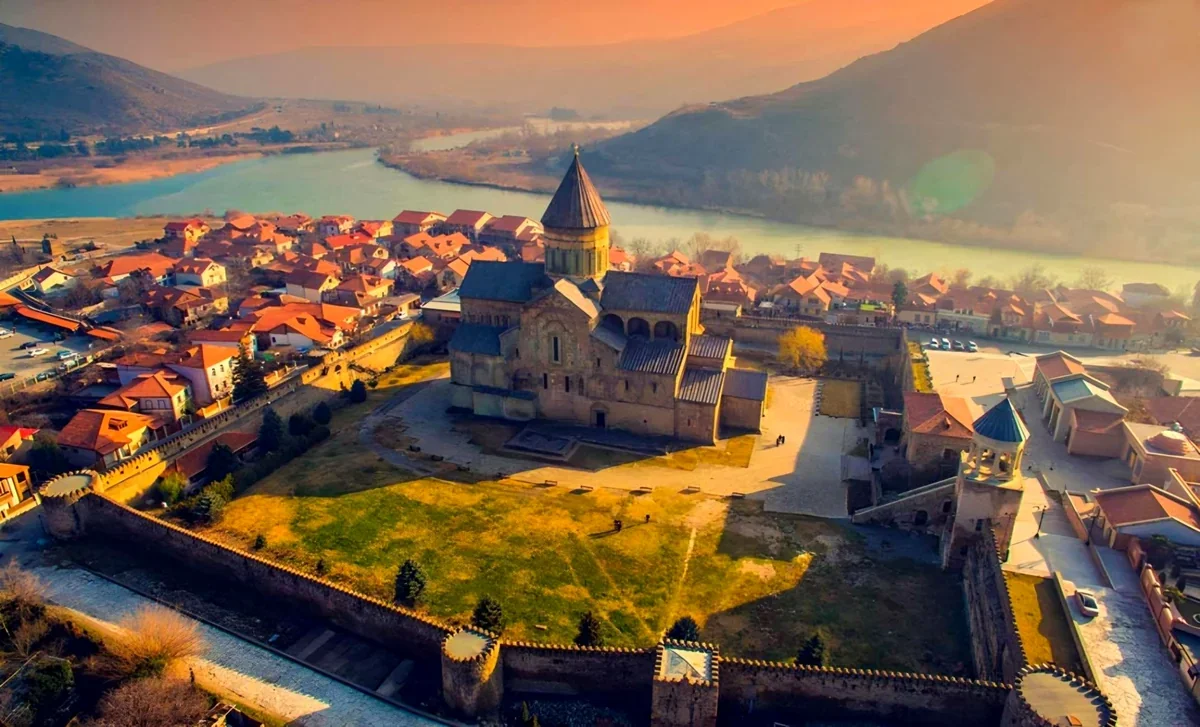
Samtavro and Svetitskhoveli in Mtskheta
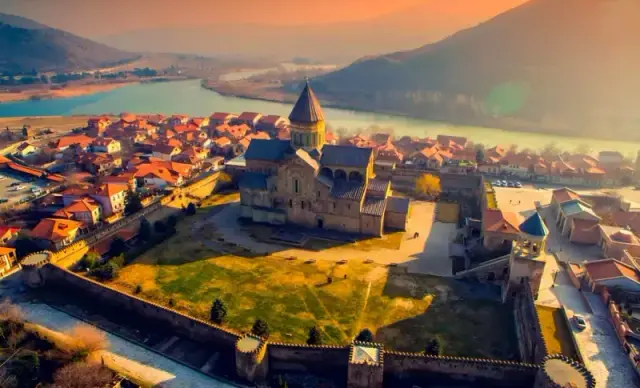 MtskhetaDay 2: Samtavro convent, beside a large ancient burial ground, and Svetitskhoveli Cathedral in Mtskheta, the capital of the kingdom of Iberia.
Day 2: Samtavro convent, beside a large ancient burial ground, and Svetitskhoveli Cathedral in Mtskheta, the capital of the kingdom of Iberia.
Mtskheta, about 25 km (30 min) north of Tbilisi where the Aragvi meets the Mtkvari, was the capital of the ancient kingdom of Kartli (Iberia) and the place where Georgia adopted Christianity in the 4th century. Its churches are a UNESCO World Heritage Site: Svetitskhoveli Cathedral in the old town, Jvari Monastery on the hill opposite with the classic view over the river confluence, and the Samtavro convent. Allow half a day, or combine it with Gori and Uplistsikhe or a Mukhrani winery.
查看目的地详情
Grakliani Hill excavations near Kaspi (short stop)
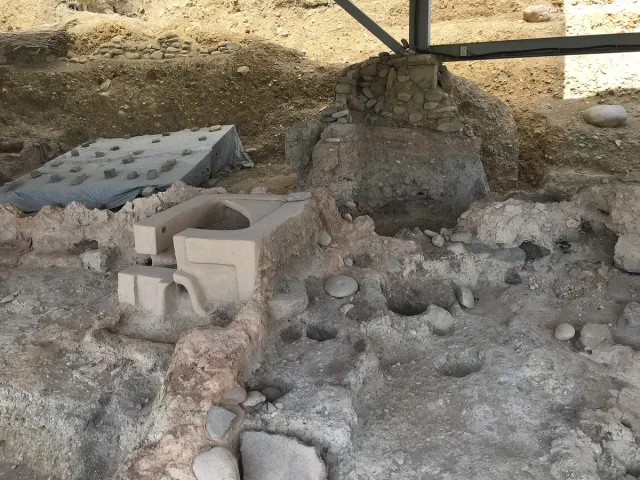 Grakliani HillDay 2: a short stop at the Grakliani Hill excavations near Kaspi, where finds span from the Stone Age to the early centuries AD (access confirmed on the day).
Day 2: a short stop at the Grakliani Hill excavations near Kaspi, where finds span from the Stone Age to the early centuries AD (access confirmed on the day).
Grakliani Hill is an open archaeological excavation beside the Tbilisi–Gori highway near Kaspi, about 50 km west of Tbilisi. Found during road building in 2007 and dug each summer by Tbilisi State University, it shows layers of settlement from the Stone Age to the early centuries AD: Bronze Age graves, clay altars of a 7th-century BC temple and later stone foundations, some under a protective canopy. It is a short stop of 1–2 hours for travellers interested in archaeology, best with a guide who can explain what you are looking at.
查看目的地详情
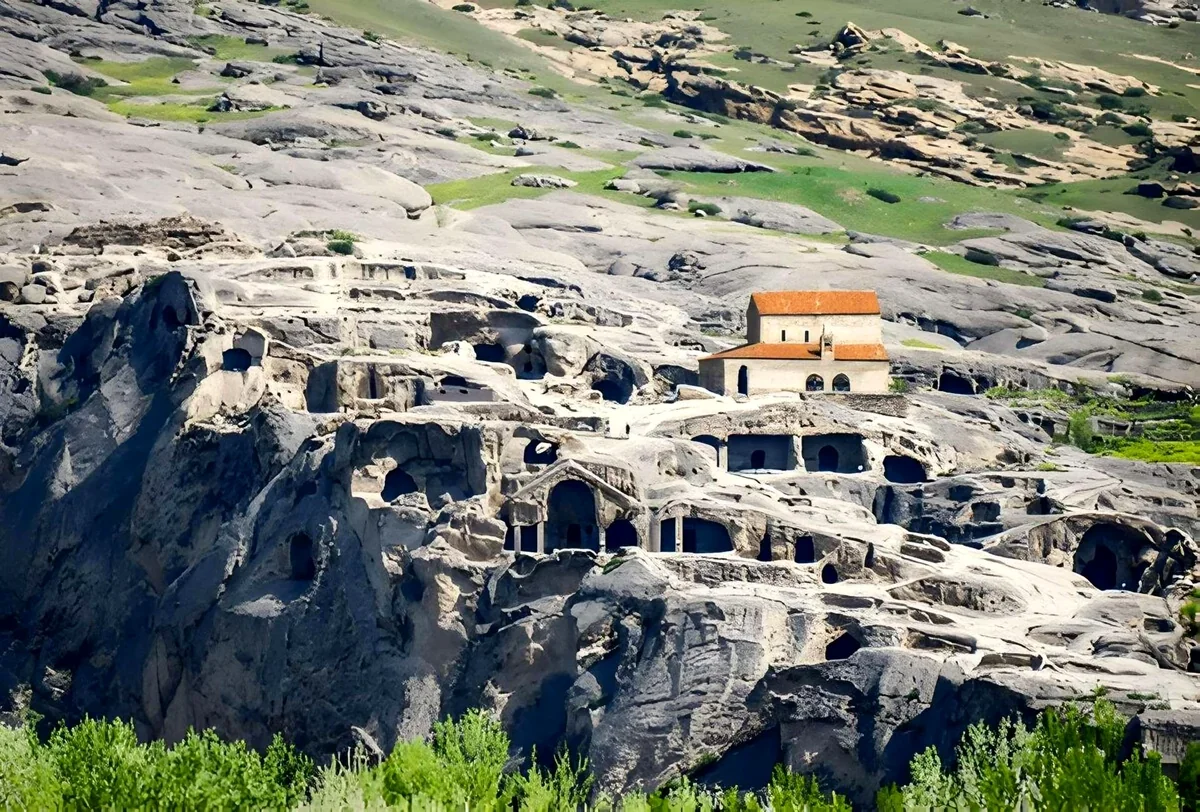
Uplistsikhe (1.5–2 h)
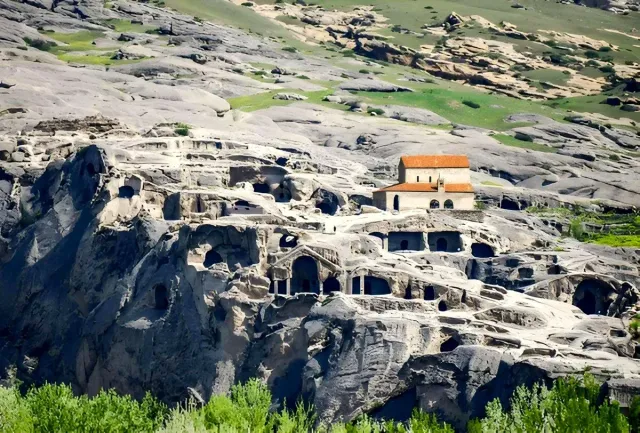 Uplistsikhe Cave TownDay 2: 1.5–2 hours in Uplistsikhe, a rock-cut town above the Mtkvari used from the Early Iron Age to the Middle Ages, with carved halls, streets and a later Christian basilica.
Day 2: 1.5–2 hours in Uplistsikhe, a rock-cut town above the Mtkvari used from the Early Iron Age to the Middle Ages, with carved halls, streets and a later Christian basilica.
Uplistsikhe is a rock-cut town on a sandstone ridge above the Mtkvari river, about 12–15 km east of Gori and 1.25–1.5 h west of Tbilisi. Over roughly 2,000 years people carved halls, houses, temples, wine presses and streets into the rock here. You walk up the ancient main street past the cave halls to the 9th–10th-century brick basilica on the summit, then leave through a tunnel toward the river. Most visitors spend 1–1.5 hours, often combined with Mtskheta and the Stalin Museum in Gori.
查看目的地详情
Lunch in Gori (not included)
Drive to Akhaltsikhe via Khashuri and Borjomi (about 2.5 h)
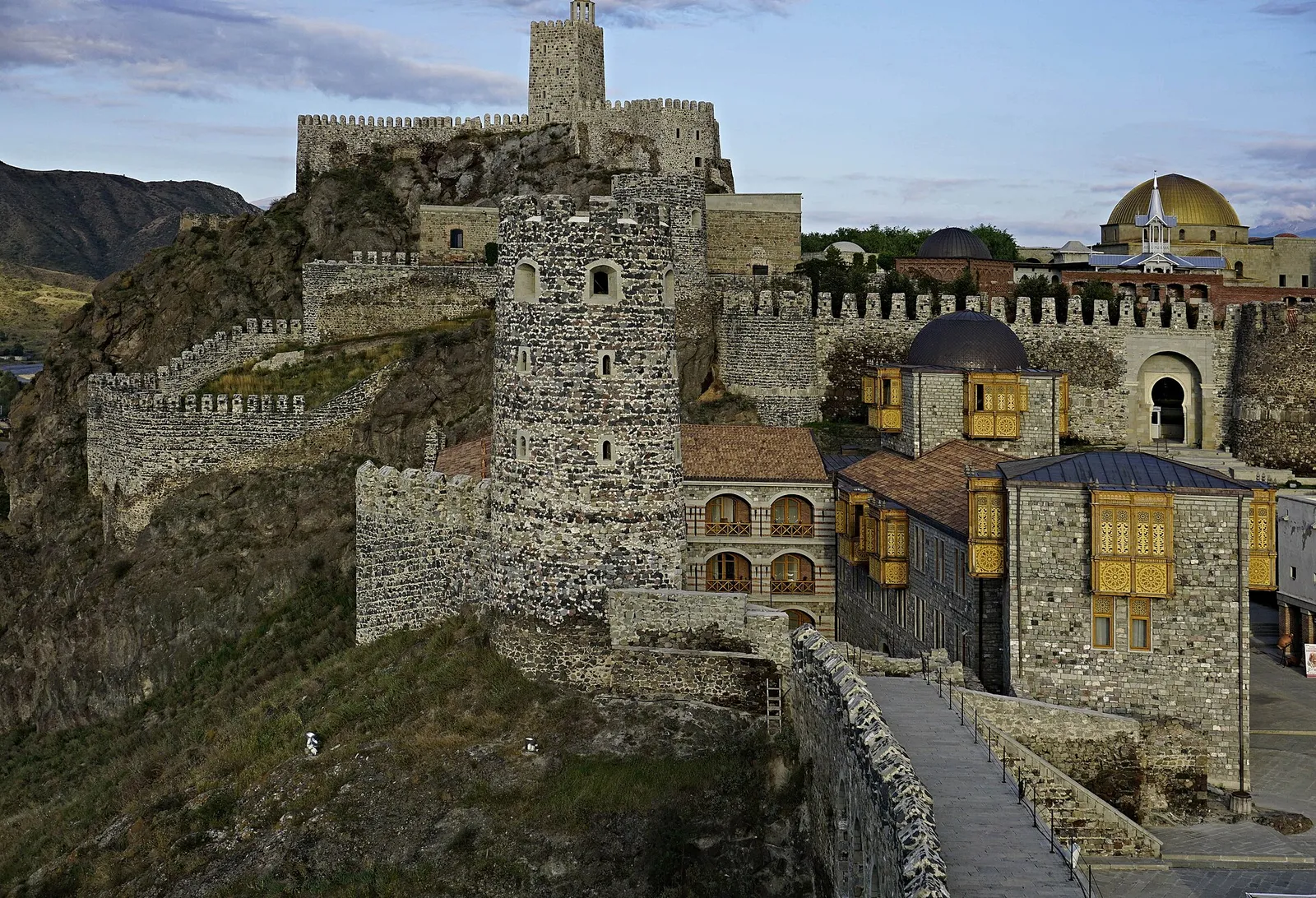
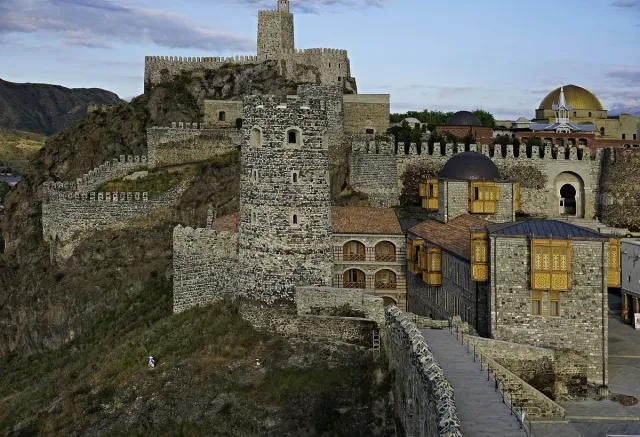 Akhaltsikhe (Rabati Castle)Nights 2 and 3 in Akhaltsikhe; on day 3 you visit Rabati Castle, a restored fortress complex with a mosque, a church and the regional history museum inside its walls.
Nights 2 and 3 in Akhaltsikhe; on day 3 you visit Rabati Castle, a restored fortress complex with a mosque, a church and the regional history museum inside its walls.
Akhaltsikhe is the main town of Samtskhe-Javakheti in south-west Georgia, about 205 km (3–3.5 h) from Tbilisi via Borjomi, and the usual stop on the way to Vardzia. Its landmark is Rabati Castle, a 7-hectare walled complex where a church, a mosque, a madrasa, a Jakeli palace, a bathhouse and a history museum stand side by side, restored in 2011–12. Most travellers spend an hour inside the walls; the old Jewish quarter and its synagogue lie just west of the castle.
查看目的地详情
Overnight: Akhaltsikhe (hotel, breakfast)
3第 3 天Vardzia, Khertvisi and Rabati
Akhaltsikhe to Vardzia 60–70 km (1–1.5 h) each way.
Drive to Vardzia
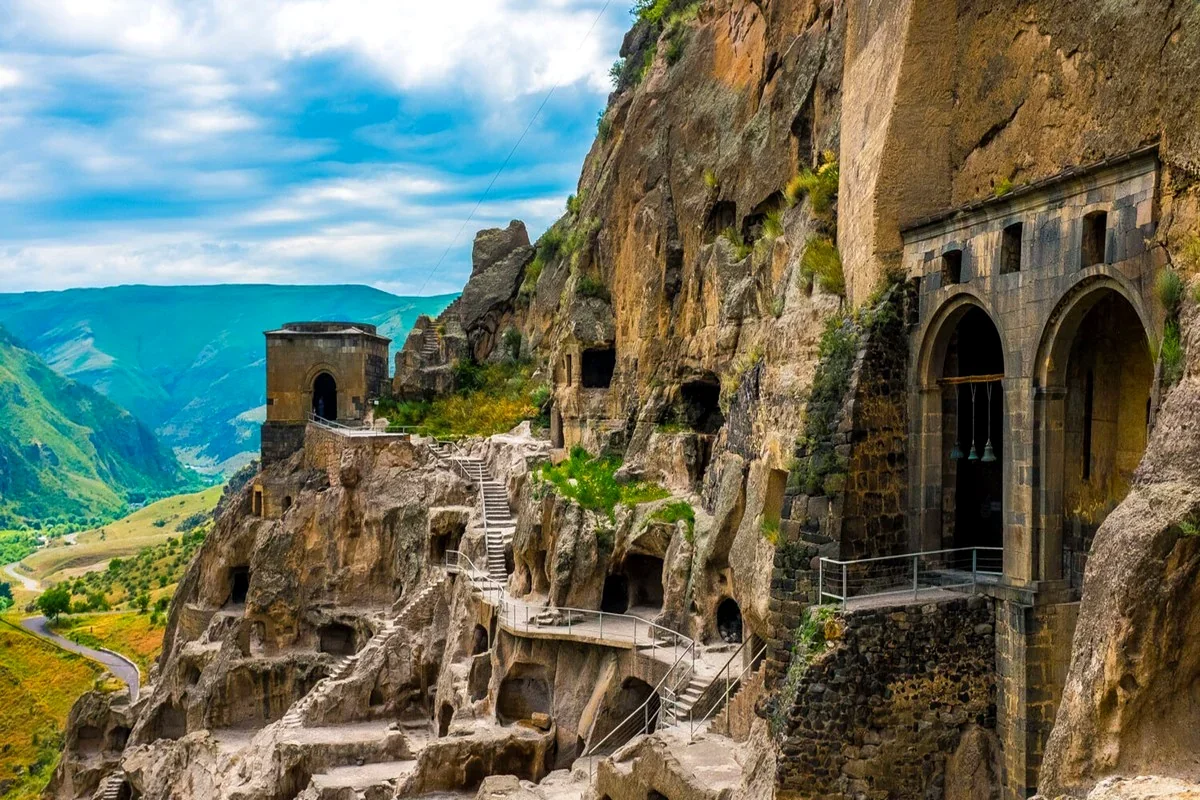
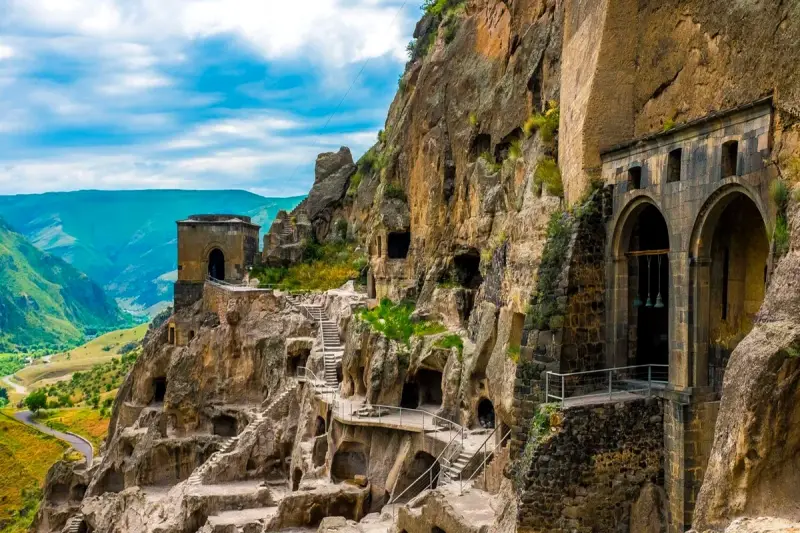
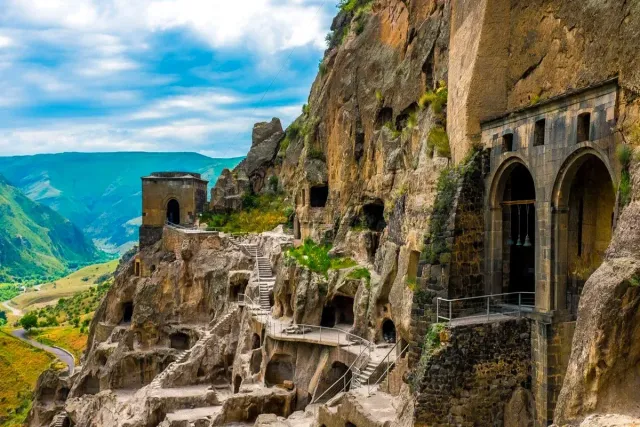 VardziaDay 3: about 2.5 hours at Vardzia, the 12th-century cave monastery of Queen Tamar, with a site guide. Part of the route has been closed since the May 2026 rockfall; we confirm current access.
Day 3: about 2.5 hours at Vardzia, the 12th-century cave monastery of Queen Tamar, with a site guide. Part of the route has been closed since the May 2026 rockfall; we confirm current access.
Vardzia is a 12th-century cave monastery cut into the cliff of Erusheti mountain above the Mtkvari river in Samtskhe-Javakheti, about 60 km south of Akhaltsikhe and 4.5–5 h from Tbilisi. Hundreds of rock-cut rooms, stairways and tunnels open onto the gorge, and the Church of the Dormition holds original frescoes with a portrait of Queen Tamar. Since a rockfall on 27 May 2026 the visitor route ends shortly after the church, so about half of the complex is closed; we confirm current access before your trip.
查看目的地详情
Vardzia with a site guide (about 2.5 h)
Khertvisi fortress
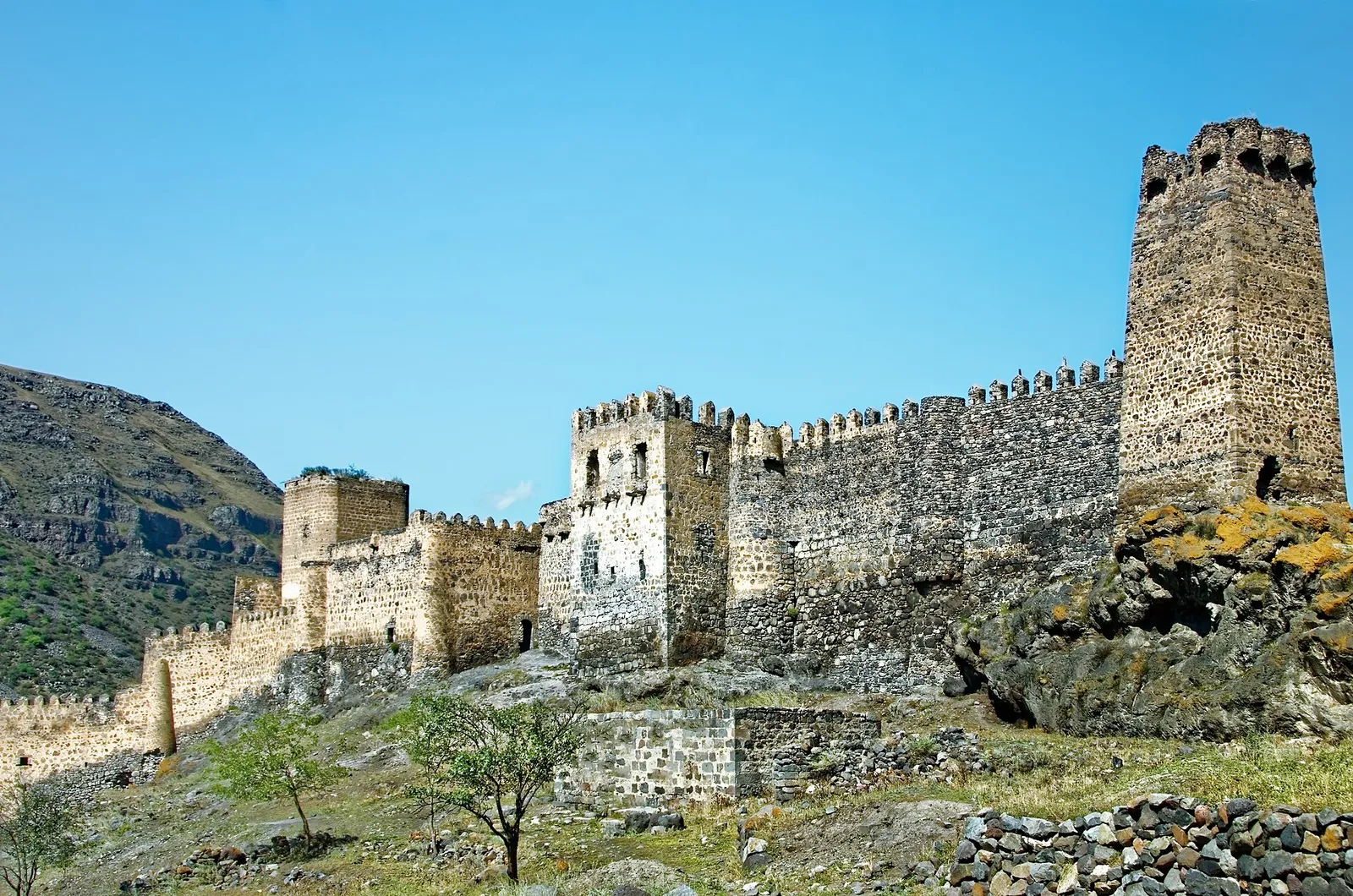
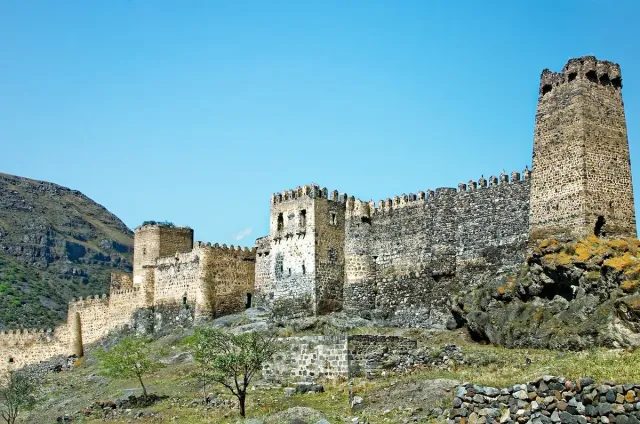 Khertvisi FortressDay 3: a short stop at Khertvisi fortress, on a rock where two rivers meet; its church dates from 985 and the walls from 1354.
Day 3: a short stop at Khertvisi fortress, on a rock where two rivers meet; its church dates from 985 and the walls from 1354.
Khertvisi is a medieval fortress on a rocky spur where the Paravani river joins the Mtkvari, in Samtskhe-Javakheti, about 16 km before Vardzia. Its towers and curtain walls climb the ridge above the gorge, and it is one of the oldest fortifications in Georgia. Most travellers stop for 30–45 minutes on the way to the Vardzia cave monastery: walk up to the gate, look along the two river canyons and photograph the walls from the road bridge below.
查看目的地详情
Lunch by the Mtkvari (not included)
Rabati Castle
Overnight: Akhaltsikhe (hotel, breakfast)
4第 4 天Back to Tbilisi via Borjomi
Akhaltsikhe to Tbilisi about 210 km (3–3.5 h).
Drive to Borjomi (about 1 h)
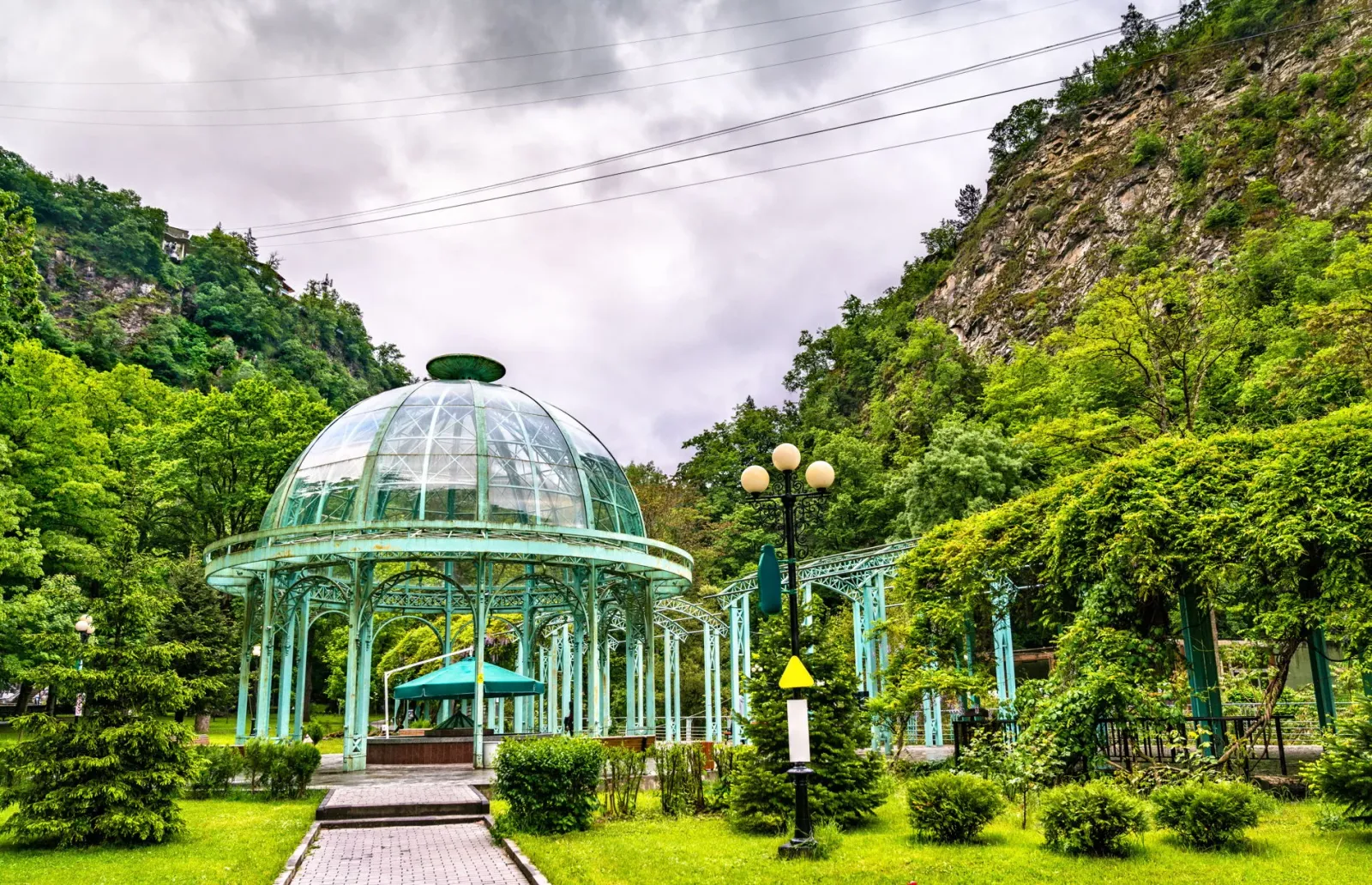
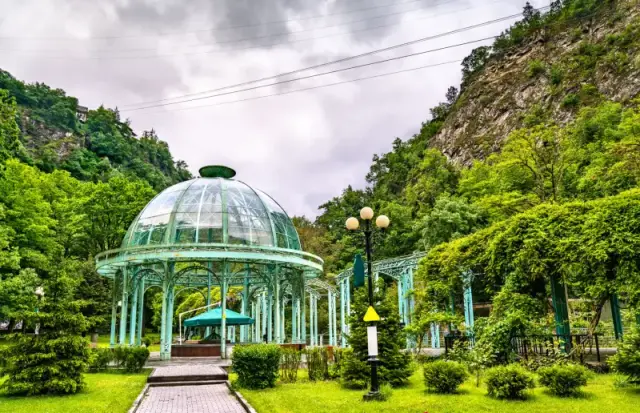 BorjomiDay 4: a 1.5-hour stop in Borjomi on the way back to Tbilisi, for the mineral-water park and a taste from the spring.
Day 4: a 1.5-hour stop in Borjomi on the way back to Tbilisi, for the mineral-water park and a taste from the spring.
Borjomi is a 19th-century spa town in a forested gorge of the Mtkvari river, about 160 km (2.5 h) west of Tbilisi, famous across the former Soviet Union for its salty, naturally carbonated mineral water. You can taste the warm water straight from the spring in the Central Park, ride the cable car above the town, bathe in the open-air sulphur pools higher up the valley, and walk into Borjomi-Kharagauli National Park from the visitor centre. It is the usual stop on the way to Vardzia and Bakuriani.
查看目的地详情
Mineral-water park and spring
Lunch (not included)
Drive to Tbilisi; free late afternoon
Overnight: Tbilisi (hotel, breakfast)
5第 5 天Dmanisi and Bolnisi
Tbilisi to Dmanisi 85–93 km (1.5–2 h).
Drive south
Dmanisi: extended guided tour of the excavations and museum
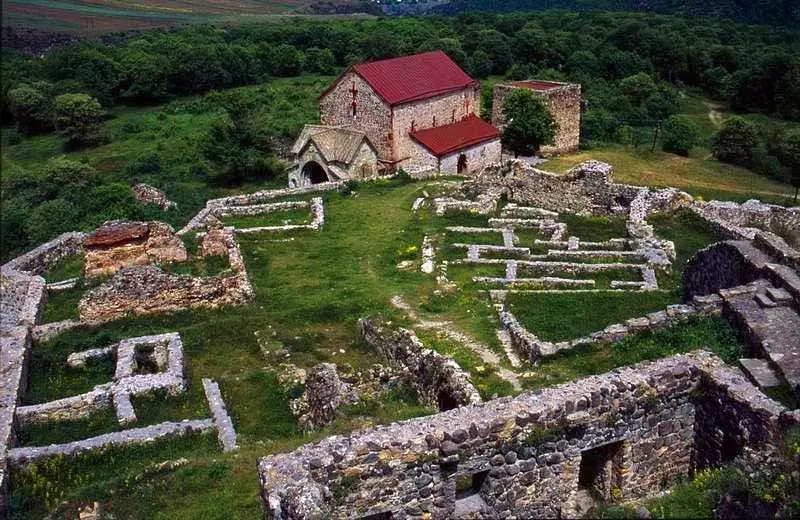
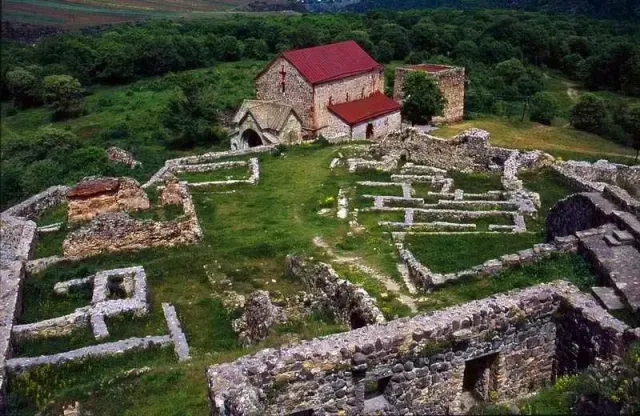 DmanisiDay 5: the Dmanisi museum-reserve, where hominin fossils about 1.8 million years old were found under a medieval town; an extended guided tour of the excavations and museum (1.5–2 h).
Day 5: the Dmanisi museum-reserve, where hominin fossils about 1.8 million years old were found under a medieval town; an extended guided tour of the excavations and museum (1.5–2 h).
Dmanisi, in Kvemo Kartli about 85 km south-west of Tbilisi, is where some of the oldest human fossils found outside Africa came out of the ground: skulls of early Homo about 1.8 million years old. The same promontory above the Mashavera and Pinezauri rivers carries the ruins of a medieval trading town with its 6th-century Sioni church. You see the covered excavation pits, walk the town walls, citadel and bathhouse, and visit the small site museum. It is a half-day trip, easy to combine with Bolnisi Sioni on the way.
查看目的地详情
Lunch (not included)
Bolnisi Sioni church
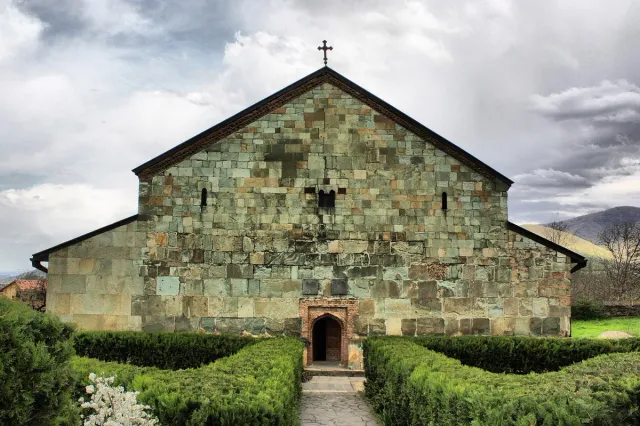 Bolnisi SioniDay 5: Bolnisi Sioni, built in the late 5th century, with some of the oldest dated inscriptions in the Georgian script; then a wine-cellar tasting nearby.
Day 5: Bolnisi Sioni, built in the late 5th century, with some of the oldest dated inscriptions in the Georgian script; then a wine-cellar tasting nearby.
Bolnisi Sioni is a stone basilica built in 478–493 in the village of Bolnisi in Kvemo Kartli, about 70 km (1–1.25 h) south-west of Tbilisi, and the oldest surviving church building in Georgia. Its Georgian building inscriptions are among the oldest dated texts in the Georgian script, and its capitals carry vine scrolls and animals in a style influenced by Sasanian Persia. A visit takes about an hour and pairs well with the Dmanisi hominin site and the old German-settler wine town of Bolnisi.
查看目的地详情
Wine-cellar tasting in Kvemo Kartli
Drop-off at your Tbilisi hotel or the airport
让这条线路成为您自己的:定制您自己的行程
费用包含的内容
费用包含
- Private car or minivan with fuel and parking (sedan for 1–3 travellers, minivan for 4–8)
- English-speaking driver-guide throughout (Russian-speaking on request)
- Hotel or airport pickup and drop-off in Tbilisi
- 4 nights in standard hotels (Tbilisi 2, Akhaltsikhe 2), twin/double rooms, breakfast included
- Entry fees: Georgian National Museum and Treasury, Uplistsikhe, Vardzia with shuttle, Rabati, Dmanisi
- Site guides at Vardzia and Dmanisi
- One wine-cellar tasting
- Bottled water
费用不含
- Lunch and dinner (about 25–40 GEL per person for lunch)
- Drinks
- Single room supplement
- Tips (optional)
- Travel insurance (mandatory for visitors to Georgia from 1 January 2026)
- Flights
地图
出行须知
- 最佳旅游时间
- April–October; early November on request
- 体能要求
- 需要中等体能。包含较长的步行、部分上坡路段,路面可能不平。
- 取消政策
- 现在无需付款。在您付款之前,报价中会列明取消条款。
- Museum days
- the National Museum and the Dmanisi site keep their own weekly hours; we set the order of the days around them.
- Walking
- Uplistsikhe and Vardzia mean 1.5–2.5 hours on uneven rock, steps and short tunnels; Dmanisi has gravel paths on a slope. Wear shoes with grip.
- Vardzia access
- part of the cave route has been closed since the May 2026 rockfall; we confirm what is open when you book.
- Sun
- there is little shade at Uplistsikhe, Vardzia and Dmanisi; bring a hat and water in summer.
- Add-on
- David Gareja can be added as an extra day, quoted on request.
类别:
短途游(2–5 天)
历史与文化
您可能还喜欢
帮您规划行程的指南
全部旅行指南- Visiting Dmanisi: The Oldest Human Remains Outside AfricaDmanisi, 85–93 km south-west of Tbilisi, is where skulls of early humans about 1.8 million years old were found: the oldest known outside…
- Javakheti: Paravani Lake and Georgia's Volcanic PlateauJavakheti is Georgia's high volcanic plateau near Armenia: Paravani, the country's largest lake, at 2,073 m, the Poka nunnery and its…
- The Story of the Georgian Scripts: Asomtavruli to MkhedruliGeorgian has been written in three scripts: Asomtavruli from the 5th century, Nuskhuri from the 9th and Mkhedruli, today's alphabet…
本页的其他语言版本