图片: Vyacheslav Argenberg (CC BY 4.0) · Mostafameraji (CC BY-SA 4.0) · Mostafameraji (CC BY-SA 4.0) · Vyacheslav Argenberg (CC BY 4.0) · Vyacheslav Argenberg (CC BY 4.0) · Vyacheslav Argenberg (CC BY 4.0) · Wikimedia Commons
Tbilisi
首都 · 城市
关于Tbilisi
包含Tbilisi的旅游线路
查看全部 15 条线路 适中
 轻松
 轻松
 轻松
 轻松
 轻松
 轻松
 轻松
必看景点
Old Town and Abanotubani
Lanes of wooden balconies above the domed sulphur baths, where you can book a private bath room by the hour.
Narikala fortress
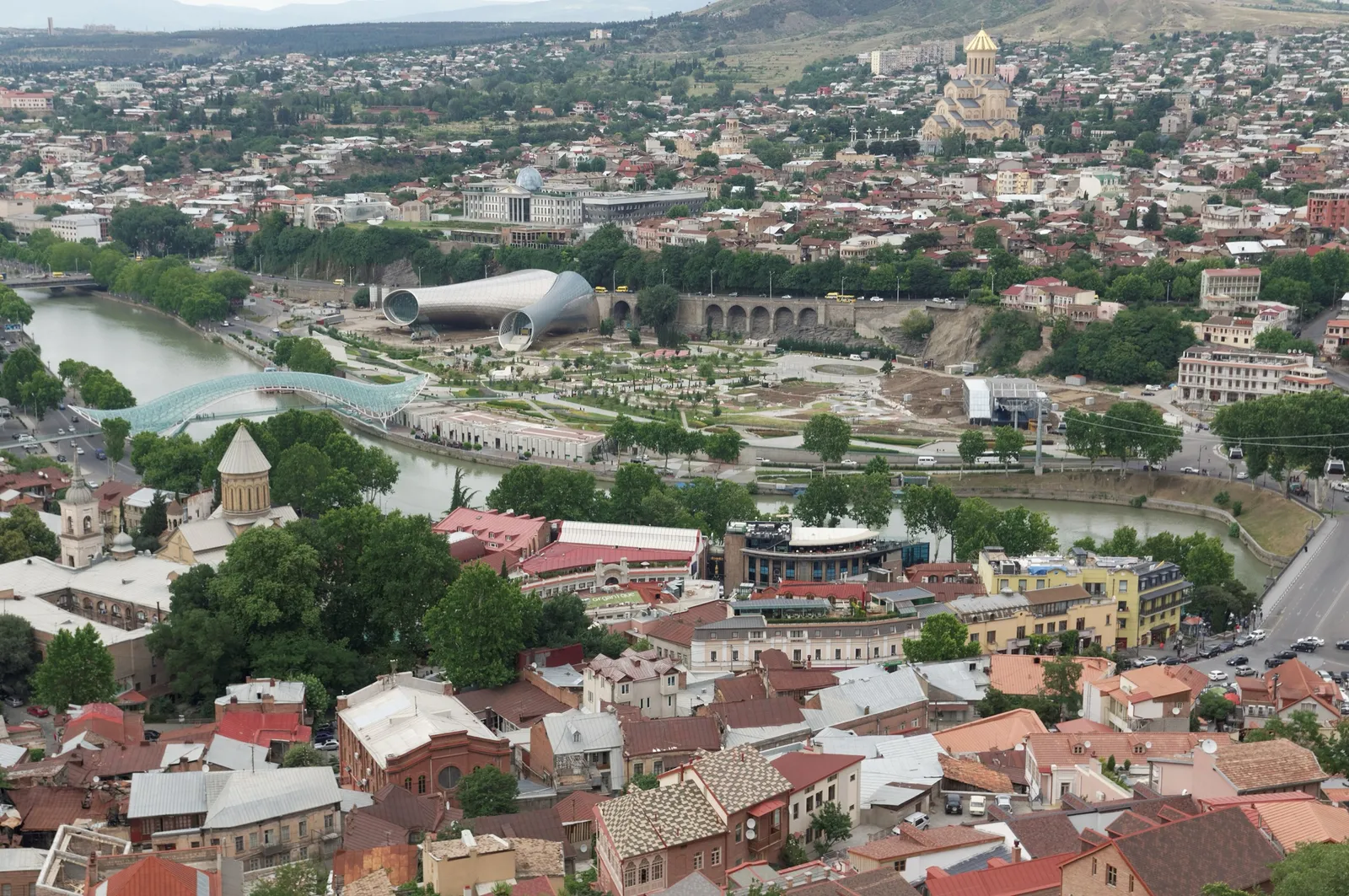
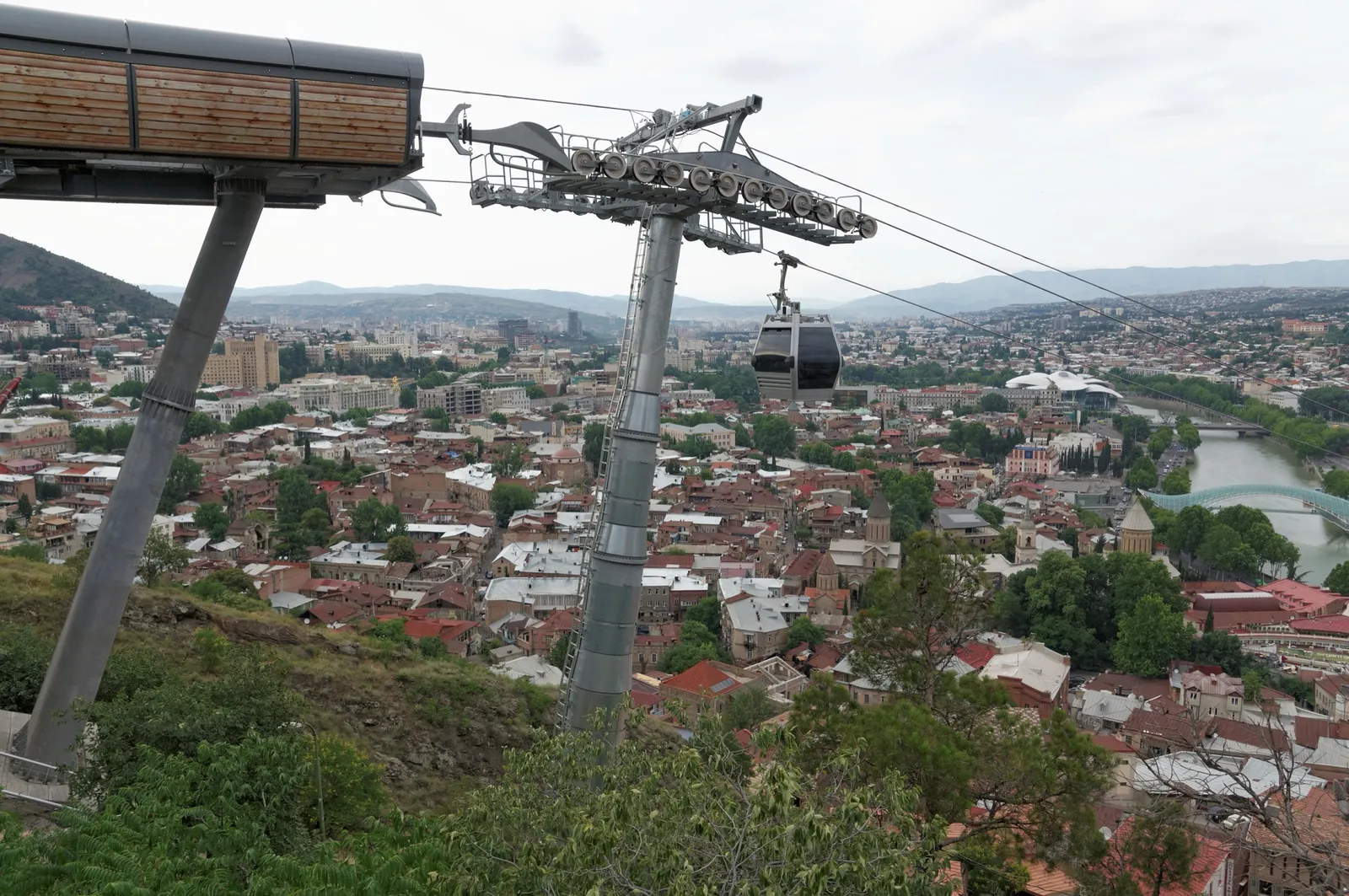
The 4th-century fortress on the ridge above the Old Town, reached on foot or by cable car from Rike Park, beside the Kartlis Deda statue.
Georgian National Museum
The archaeology treasury on Rustaveli Avenue shows gold jewellery from Colchis and Vani. Holy Trinity Cathedral (Sameba): The large cathedral consecrated in 2004 on Elia hill.
Anchiskhati Basilica
The oldest surviving church in Tbilisi, from the 6th century, in the Old Town.
Metekhi and the Bridge of Peace
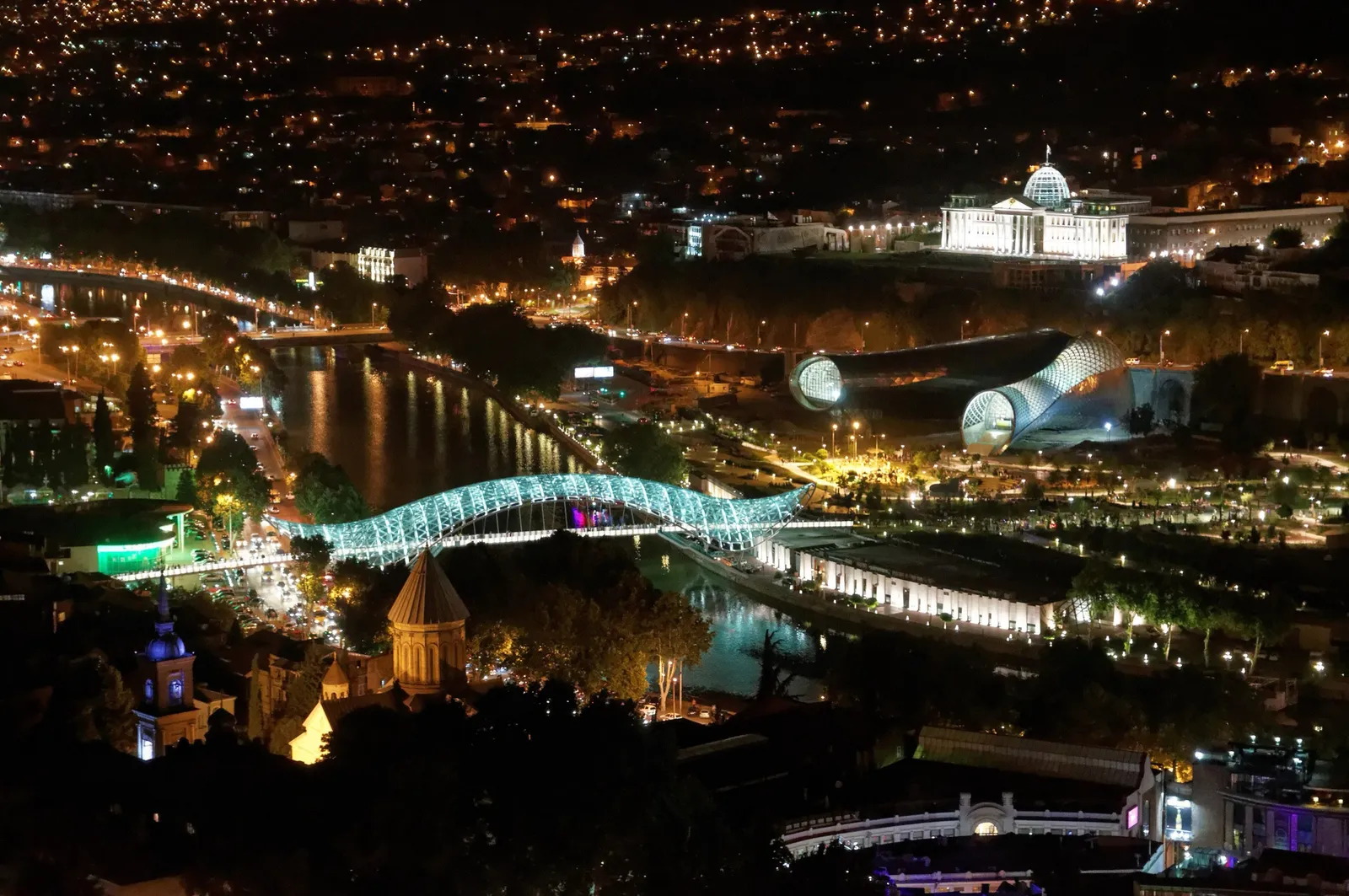
The cliff-top church with King Gorgasali's statue faces the Old Town across the river, next to Michele De Lucchi's glass footbridge.
Rustaveli Avenue
The 1.5 km, 19th-century avenue with the Opera and Ballet Theatre, Parliament and the Dry Bridge flea market nearby.
Mtatsminda
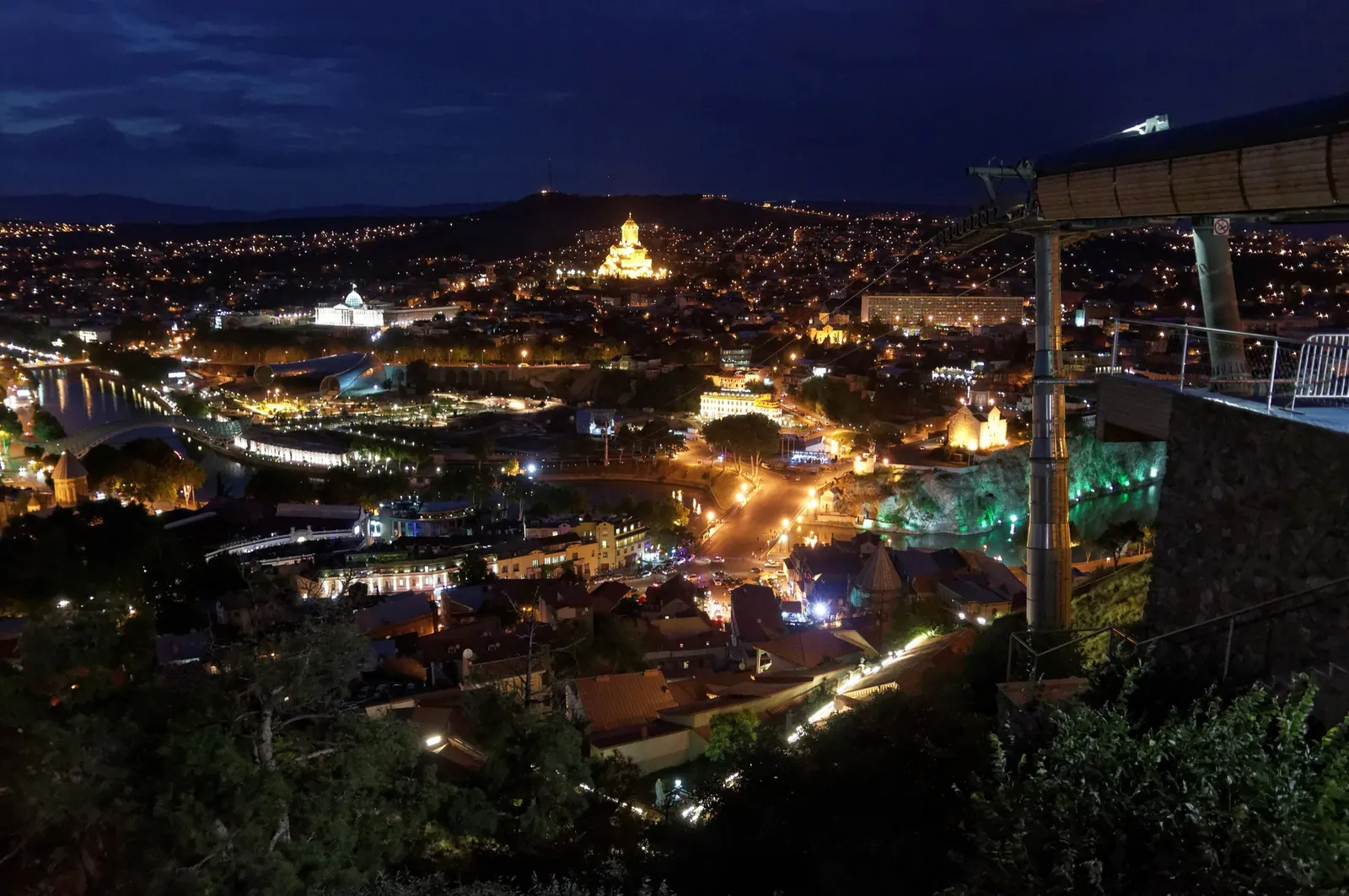
The funicular from Chonkadze Street climbs to the city's highest viewpoint in about three minutes, with a hilltop park and cafés.
附近
Mtskheta
The ancient capital with Jvari monastery and Svetitskhoveli Cathedral (UNESCO), about 25 km (30–40 min).
David Gareja
Cave monasteries in the semi-desert on the Azerbaijan border, about 100 km (2 h).
Ananuri
The fortress on the Georgian Military Highway above the Zhinvali reservoir, about 70 km (1–1.25 h).
Sighnaghi
The walled wine town above the Alazani Valley, about 113 km (2 h).
Kazbegi
Stepantsminda and Gergeti Trinity Church under Mount Kazbek, about 3 h by road.
Telavi
The main town of Kakheti, about 1 h 50 min by road.
出行须知
- 交通方式
International airport about 17 km (25–30 min) from the centre; trains and roads connect it with Kutaisi, Batumi, Zugdidi and Yerevan, and it is the starting point for all our day trips.
- 最佳时间
Spring and autumn are warm and dry for walking; July and August are hot, often above 30 °C, and winter is mild with occasional snow and few crowds.
- 建议停留
2–3 days
- Getting there
Tbilisi International Airport is about 17 km (25–30 min) from the centre; bus 337 runs into town, and taxis wait outside at any hour, though booking one through an app is safer.
- Getting around
The metro and buses take contactless bank cards; taxis are cheap through apps such as Bolt.
- Walking
The Old Town is hilly with steep cobbled lanes; the cable car saves the climb to Narikala.
- Protests
Political protests gather outside Parliament on Rustaveli Avenue, most often on Saturday evenings; walk around them.
- Heads-up
Many museums close one day a week and hours change, so we check them for your dates.
- Time needed
Allow at least two full days for the city.
私人接送:巴统至第比利斯第比利斯至古道里第比利斯至库塔伊西第比利斯至巴库里阿尼第比利斯至埃里温第比利斯至巴统第比利斯至卡兹别吉第比利斯至博尔若米第比利斯至泰拉维第比利斯至西格纳吉
历史与文化
文化
历史
当地美食
住宿
Tbilisi的景点
- Georgian National MuseumThe Georgian National Museum's main building, the Simon Janashia Museum of Georgia, stands at 3 Rustaveli Avenue near Freedom Square in…
- Bridge of Peace and Rike ParkThe Bridge of Peace is a curved glass-and-steel footbridge over the Mtkvari in central Tbilisi, linking Old Tbilisi on the right bank with…
- Rustaveli AvenueRustaveli Avenue is the main street of central Tbilisi, a tree-lined boulevard of about 1.5 km running from Freedom Square to Rustaveli…
- AbanotubaniAbanotubani is the sulphur-bath quarter of Old Tbilisi, on the right bank of the Mtkvari below Narikala Fortress, where low brick domes…
- Fabrika TbilisiFabrika is a former Soviet sewing factory on the left bank of Tbilisi, turned into a creative hub with a large hostel.
- Old TbilisiOld Tbilisi, the Old Town of Tbilisi, lies along the Mtkvari river and packs the city's history into a few steep, walkable blocks below…
- Narikala FortressNarikala Fortress is the ruined citadel on the ridge above Tbilisi's Old Town, a short ride by cable car from Rike Park beside the Bridge…
- Chronicles of GeorgiaThe Chronicles of Georgia, sometimes called the Chronicle of Georgia, is a huge open-air monument on Keeni Hill above the Tbilisi Sea…
帮您规划行程的指南
全部旅行指南- Sabaduri Forest: Autumn Colours and Snow near TbilisiSabaduri Forest lies an hour north of Tbilisi on the Tianeti road. When the autumn colours peak, how to get there, fees, crowds…
- Where to Stay in Tbilisi: Best Areas for a First VisitWhere to stay in Tbilisi: Sololaki, Vera, the Old Town, Marjanishvili and Fabrika, Vake, Saburtalo and Avlabari compared, with metro…
- Didgori Battle Memorial: Visiting from TbilisiThe Didgori Battle Memorial marks King David the Builder's 1121 victory. How to get there from Tbilisi, what the giant swords are…
本页的其他语言版本