Mtskheta
Mtskheta-Mtianeti · Historia
O miejscu: Mtskheta
Wycieczki obejmujące miejsce: Mtskheta
Zobacz wszystkie 11 wycieczek Umiarkowana
 Łatwa
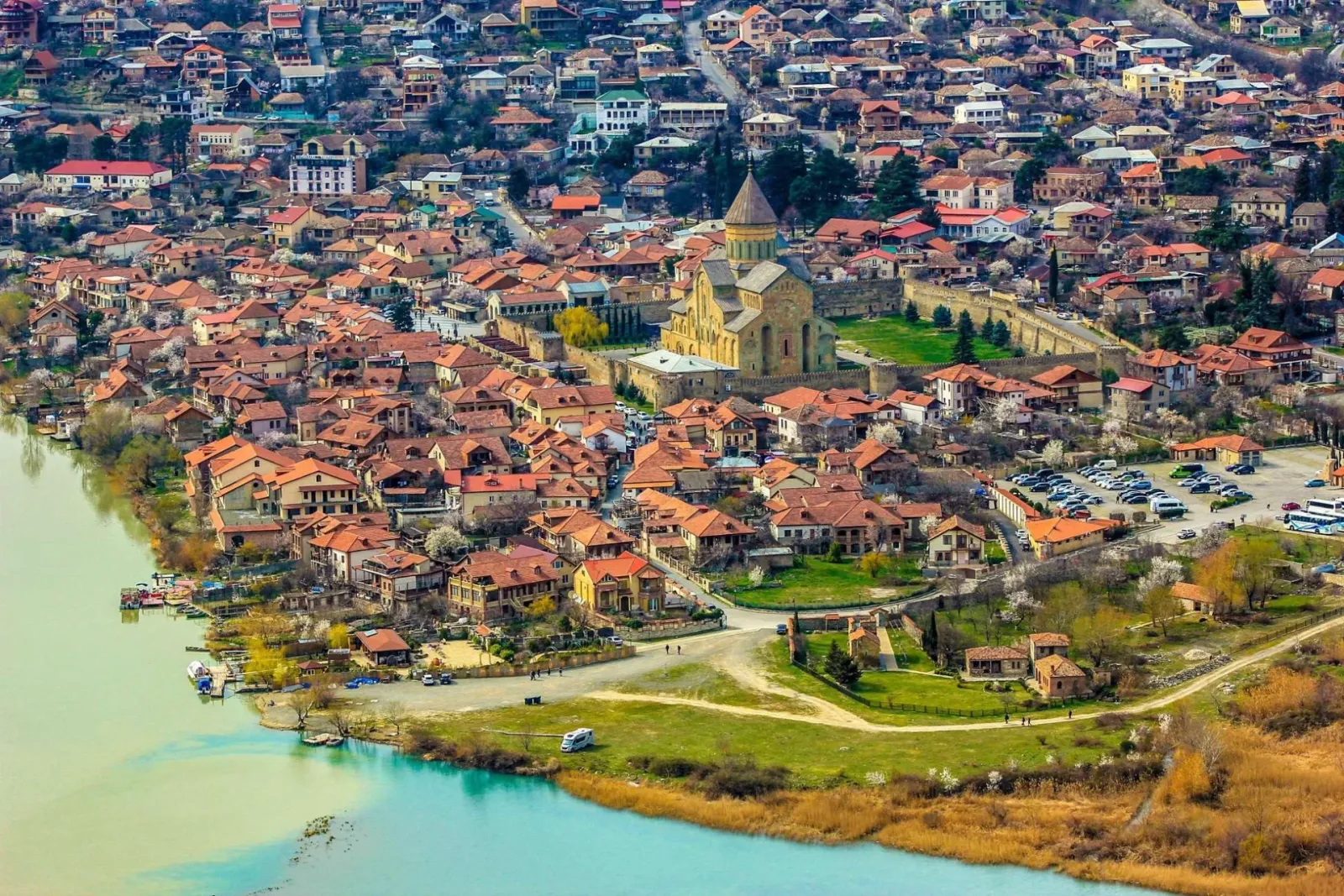
Mtskheta Tour with Gori & Uplistsikhe — Private Day Trip from Tbilisi
Prywatna · 1 dzień
69 $/os. · dla 4 osób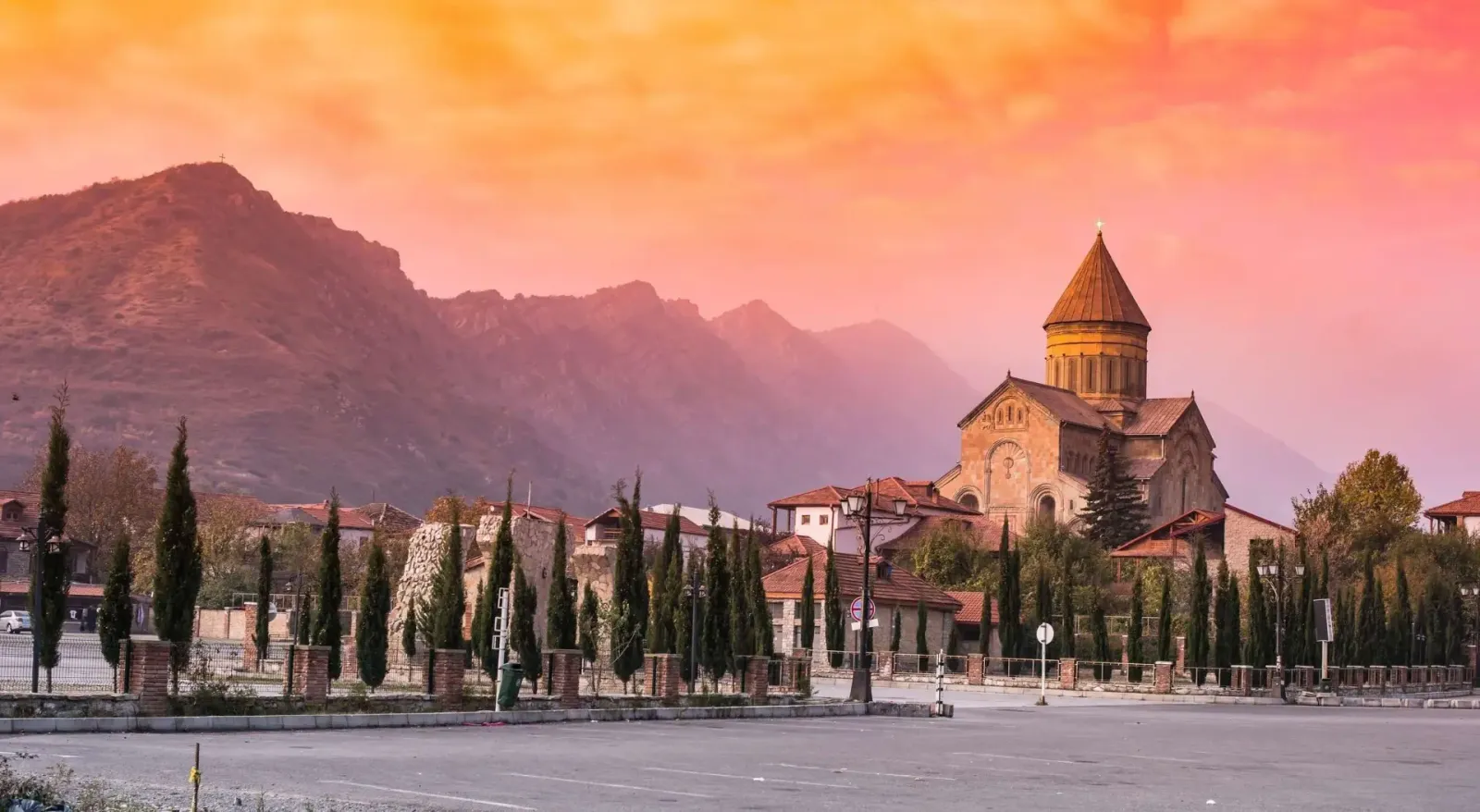 Łatwa
 Łatwa
Georgia Highlights in 5 Days — Private Tour: Tbilisi, Kakheti & Kazbegi
Prywatna · 5 dni
640 $/os. · dla 4 osób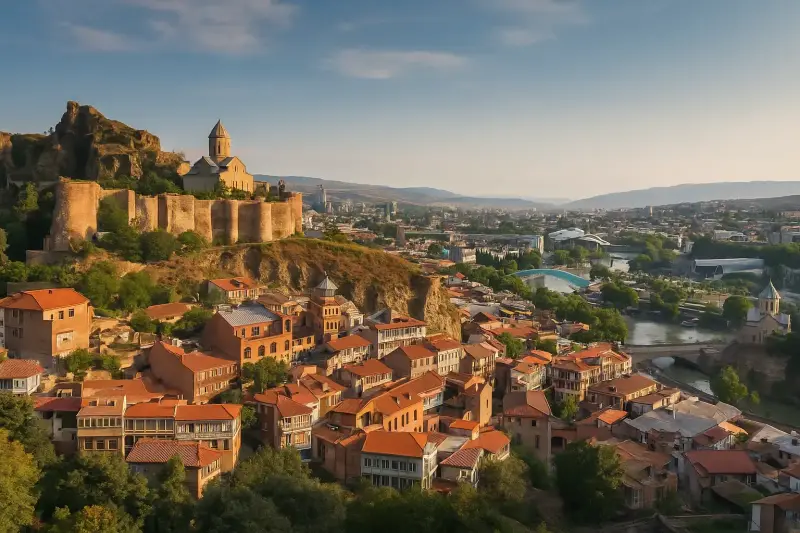 Łatwa
 Łatwa
Mtskheta, Jvari & Château Mukhrani — Private Half-Day Wine Trip
Prywatna · 1 dzień
94 $/os. · dla 4 osób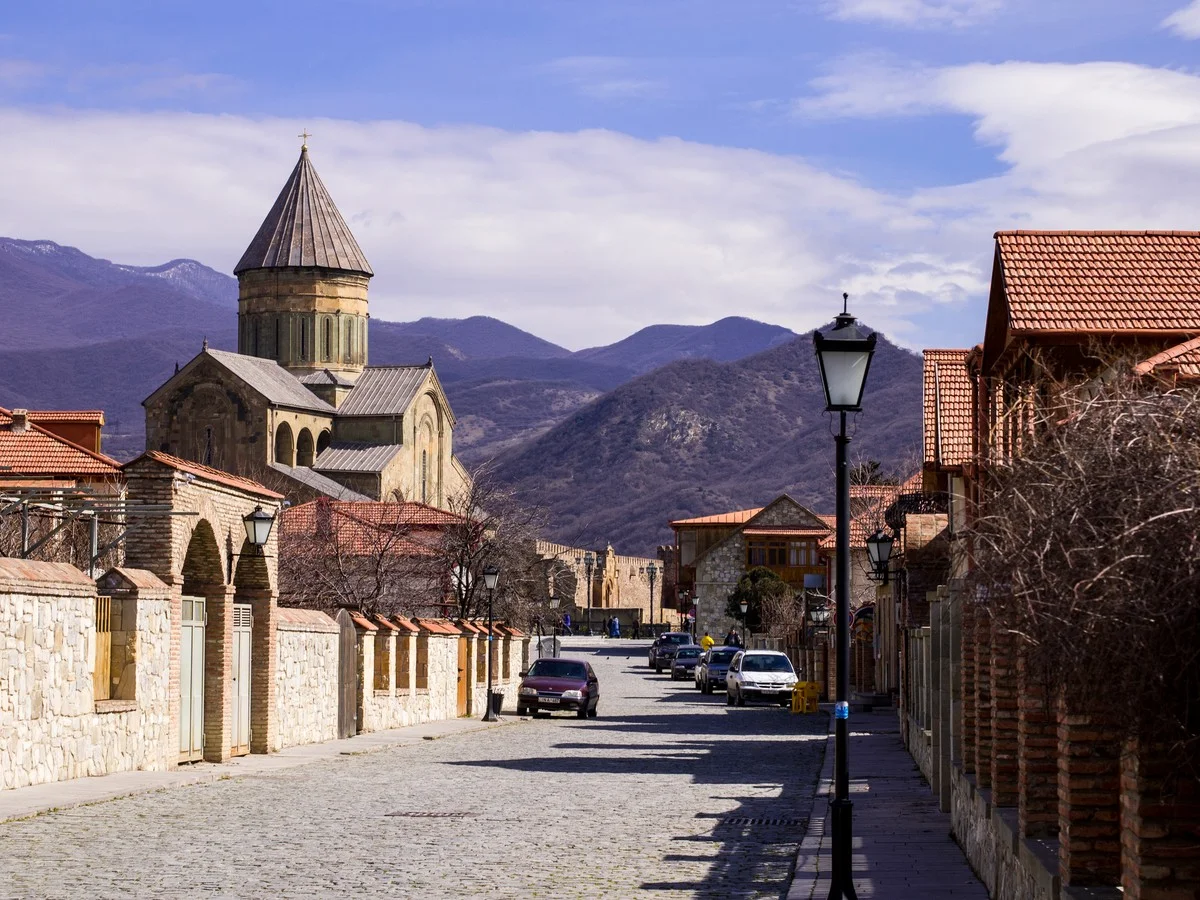 Umiarkowana
Georgia Archaeology Tour — 5 Days, Private: Cave Cities & Dmanisi
Prywatna · 5 dni
670 $/os. · dla 4 osób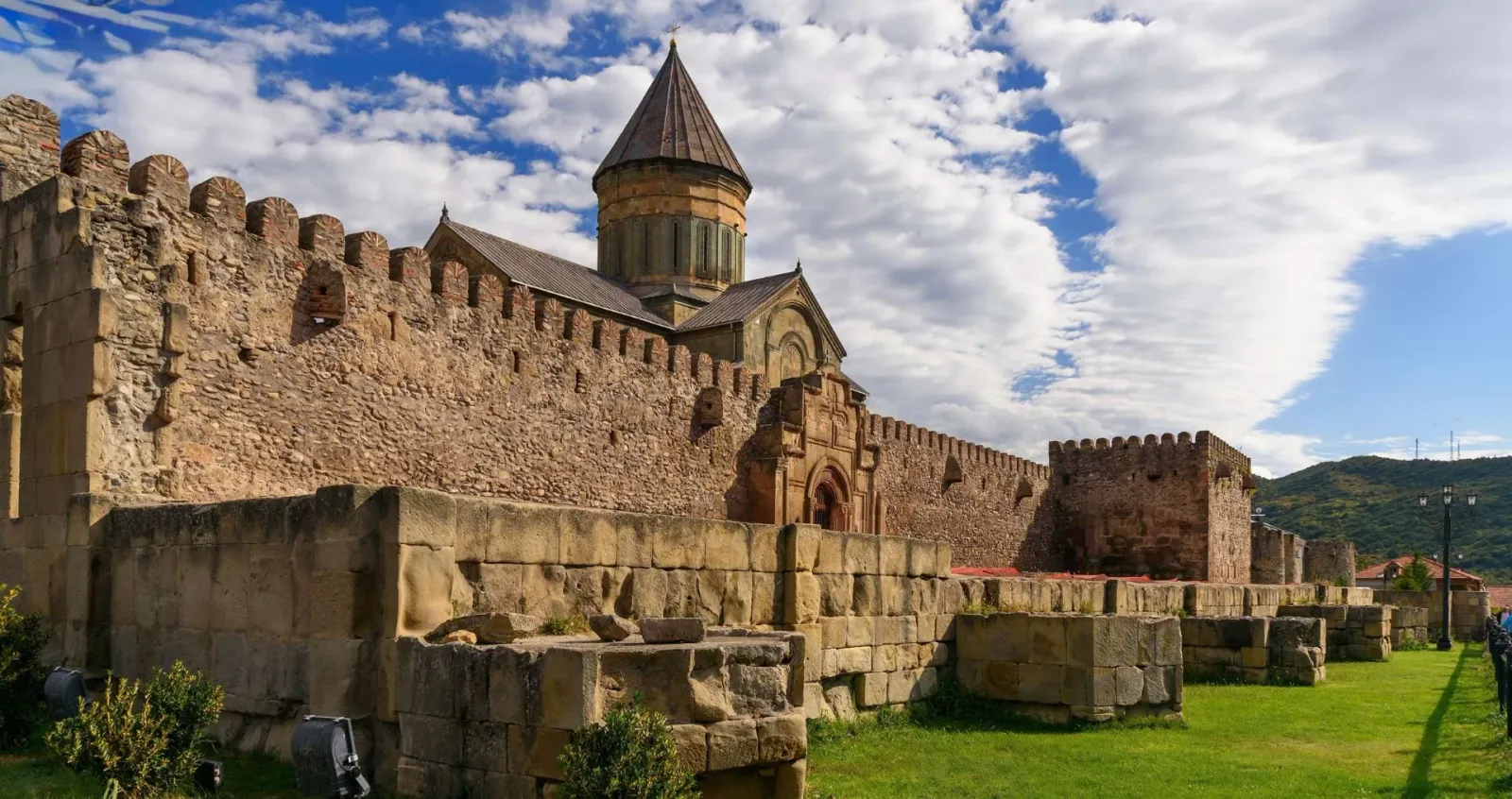 Łatwa
Atrakcje, które warto zobaczyć
Svetitskhoveli Cathedral
11th-century cathedral where tradition places the burial of Christ's robe, with the tombs of kings Vakhtang Gorgasali and Erekle II and large frescoes; inside a fortified wall.
Jvari Monastery
Late 6th-century church on the hill across the Aragvi, a model for later Georgian churches, with the classic view of Mtskheta and the river confluence.
Samtavro Monastery
Working convent with the 11th-century Transfiguration church, the tombs of King Mirian and Queen Nana, and a small chapel on the site of St Nino's bramble garden.
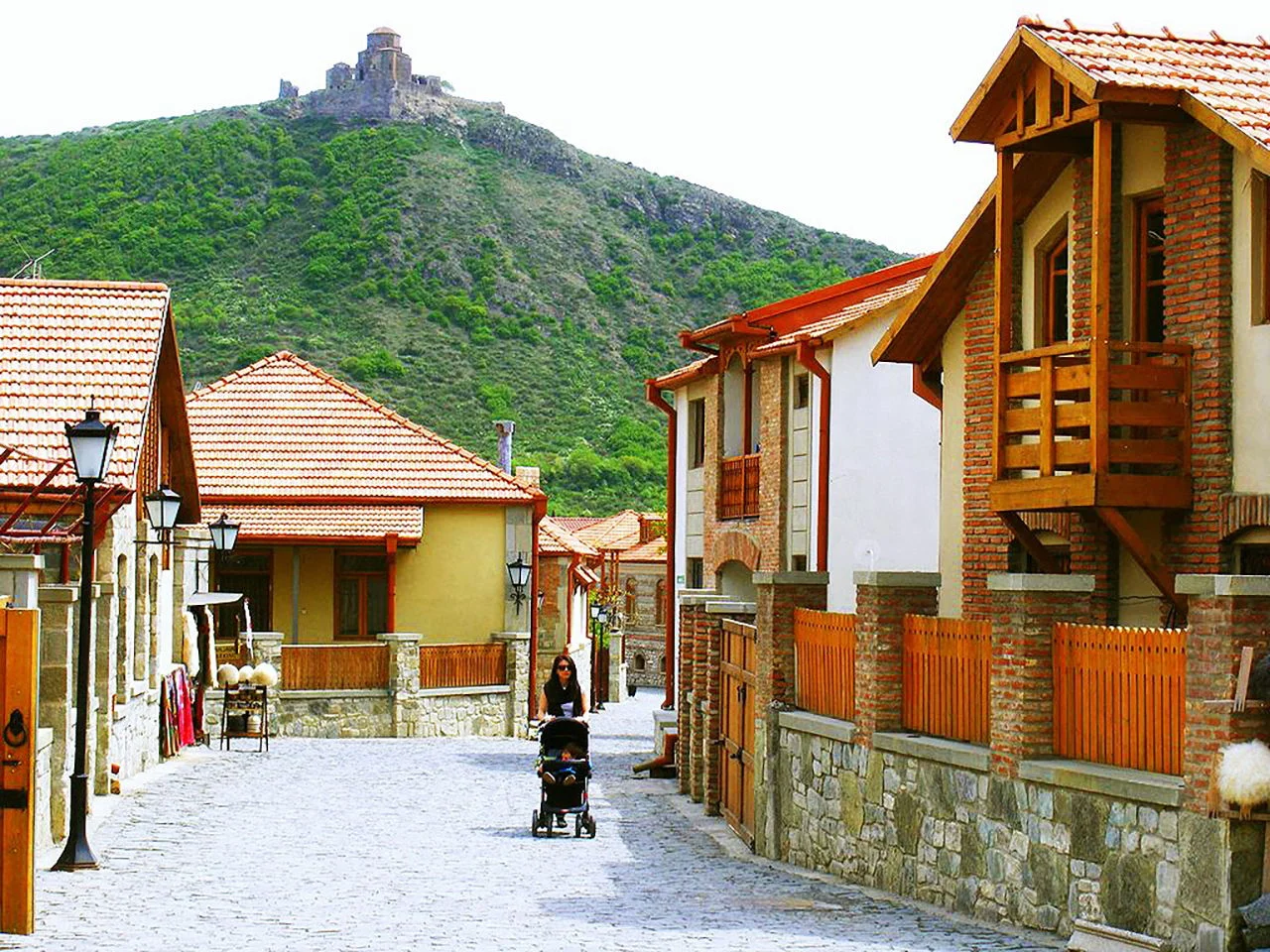
Old town streets
The restored lanes around Svetitskhoveli with cafés and craft shops.
W pobliżu
Armazi and Bagineti
Remains of the ancient royal acropolis across the Mtkvari, about 5 km (10 min).
Shio-Mgvime Monastery
6th-century cave monastery in a quiet gorge, about 12 km (25 min).
Mukhrani
Wine valley with Château Mukhrani and other estates, about 25 km (30 min).
Ananuri Fortress
17th-century fortress on the Zhinvali reservoir, about 45 km (50 min) north.
Warto wiedzieć
- Dojazd
About 25 km (30 min) from Tbilisi on the four-lane highway; Jvari is reached by a paved side road from the highway.
- Najlepszy czas
Spring and autumn are the most pleasant for walking the old town and for the view from Jvari, summer afternoons are hot, and winter is quiet and still fine for a visit.
- Zalecany pobyt
Half a day
- Getting there
About 25 km (30 min) from Tbilisi; the old town is walkable, but Jvari is on a separate hilltop about 10 km by road.
- Fees
The churches are free.
- Dress code
Shoulders and knees covered; women cover their hair in churches (scarves are usually available at the entrance).
- Heads-up
Svetitskhoveli is busy on Sundays and feast days during services; weekday mornings are quieter.
- Time needed
3–4 hours for all three churches.
Historia i kultura
Kultura
Historia
Lokalna kuchnia
Noclegi
FAQ
Czy warto odwiedzić Mccheta?
Tak. To dawna stolica Gruzji i jej centrum religijne, a katedra Sweticchoweli i klasztor Dżwari należą do wpisanych na listę UNESCO Zabytków Historycznych Mcchety. Leży na tyle blisko Tbilisi, że wystarczy pół dnia, więc pasuje każdemu, kogo interesuje historia lub cerkwie, nawet przy krótkim pobycie.
Jak daleko jest z Tbilisi do Mcchety?
Około 20–25 km na północ od Tbilisi, mniej więcej 30 minut samochodem autostradą. Większość odwiedzających łączy miasteczko z klasztorem Dżwari na wzgórzu naprzeciwko w wycieczce na pół dnia.
Nasz przewodnik po Mcchecie, Dżwari i SweticchoweliZ czego słynie Mccheta?
Była stolicą wczesnego gruzińskiego królestwa Kartlii (Iberii) od około III wieku p.n.e. do V wieku n.e., a tutaj, na początku IV wieku, św. Nino nawróciła króla Miriana III i chrześcijaństwo stało się religią państwową. W katedrze Sweticchoweli gruzińska tradycja umieszcza pochówek szaty Chrystusa.
Czy klasztor Dżwari leży w Mcchecie?
Stoi na szczycie wzgórza po drugiej stronie rzeki Aragwi niż miasteczko, z widokiem na zbieg z Mtkwari, około 10 minut drogi od centrum. Należy do tego samego obiektu UNESCO co pozostałe cerkwie Mcchety.
Klasztor DżwariMiejsca do zobaczenia: Mtskheta
- Svetitskhoveli CathedralSvetitskhoveli Cathedral is the 11th-century cathedral in the centre of Mtskheta, Georgia's old capital, about 25 km (30 min) from Tbilisi.
- Jvari MonasteryJvari Monastery stands on a rocky hilltop above Mtskheta, about 20 km north of Tbilisi, where the Aragvi river flows into the Mtkvari.
Warto zobaczyć w pobliżu
- KazbegiStepantsminda, still widely called Kazbegi, is the mountain town at about 1,740 m on the Georgian Military Highway, 152 km north of Tbilisi…
- Ananuri FortressAnanuri is a 17th-century fortress of the Dukes of Aragvi above the turquoise Zhinvali reservoir, about 70 km (1–1.25 h) north of Tbilisi…
- Trinity Church GergetiGergeti Trinity Church (Tsminda Sameba) stands alone on a grassy ridge at 2,170 m above Stepantsminda, about 152 km north of Tbilisi…
- Gudauri Ski ResortGudauri ski resort, the largest in Georgia, is on the Georgian Military Highway about 120 km north of Tbilisi, just below the Jvari Pass.
- JutaJuta is a small mountain village at about 2,200 m at the head of the Sno valley, south-east of Stepantsminda (Kazbegi), under the jagged…
- Jvari MonasteryJvari Monastery stands on a rocky hilltop above Mtskheta, about 20 km north of Tbilisi, where the Aragvi river flows into the Mtkvari.
Przewodniki do planowania podróży
Wszystkie przewodniki podróżnicze- Tbilisi Mtskheta Tour: What Fits in a Half DayA Tbilisi Mtskheta tour fits in half a day: see Jvari and Svetitskhoveli and add a wine tasting at Château Mukhrani, or visit Shio-Mgvime's…
- Shio-Mgvime: A Cave Monastery near MtskhetaShio-Mgvime is a 6th-century monastery in a limestone gorge 9 km from Mtskheta, founded by St Shio, one of the Thirteen Syrian Fathers…
- St Nino and How Georgia Became ChristianIn the early 4th century a woman from Cappadocia, St Nino, converted the king and queen of Kartli, and Christianity became the state…
Ta strona w innych językach