Mtskheta
Mtskheta-Mtianeti · Histoire
À propos de Mtskheta
Circuits incluant Mtskheta
Voir les 11 circuits Modéré
 Facile
Mtskheta Tour with Gori & Uplistsikhe — Private Day Trip from Tbilisi
Privé · 1 jour
69 $/personne · 4 voyageurs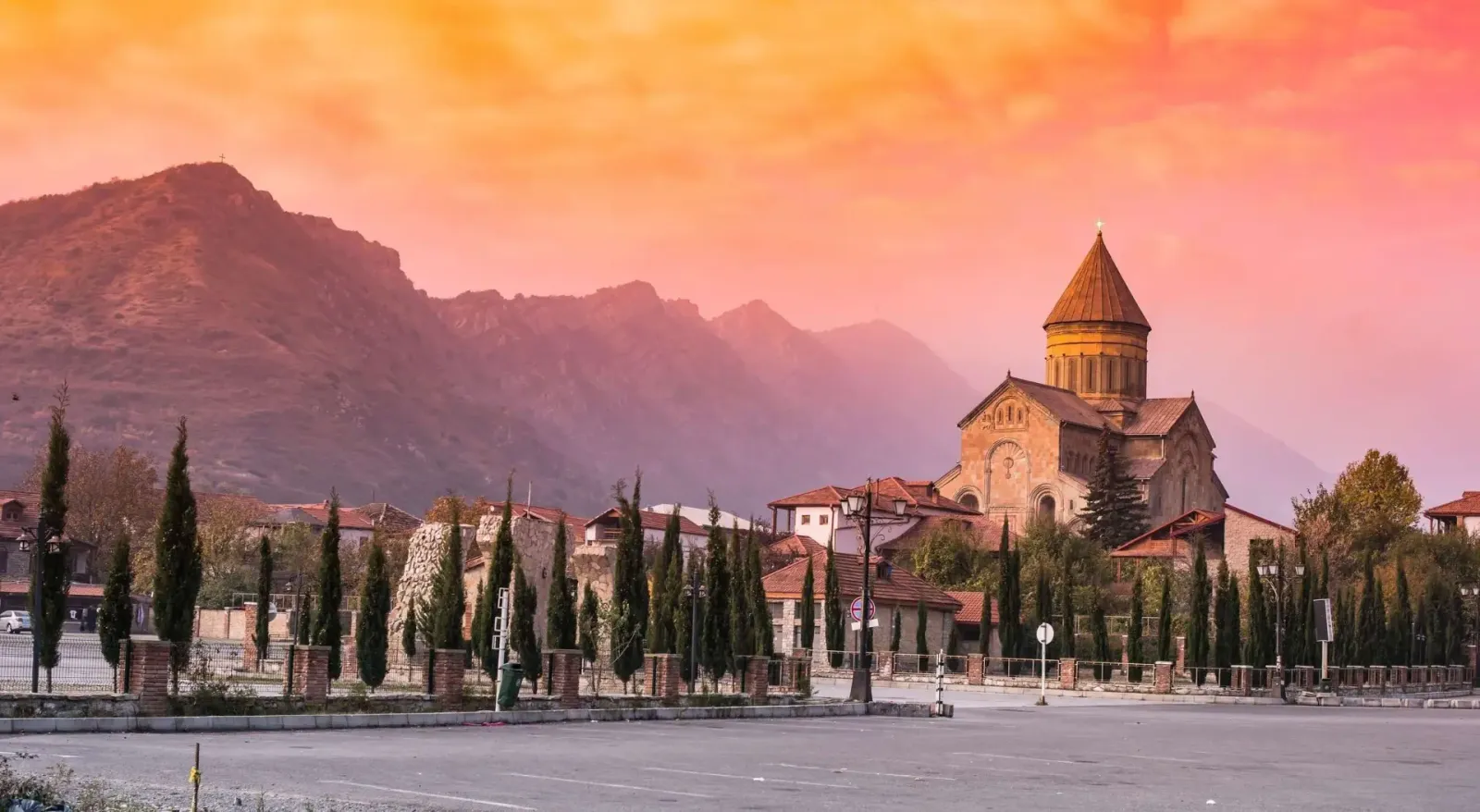 Facile
 Facile
Georgia Highlights in 5 Days — Private Tour: Tbilisi, Kakheti & Kazbegi
Privé · 5 jours
640 $/personne · 4 voyageurs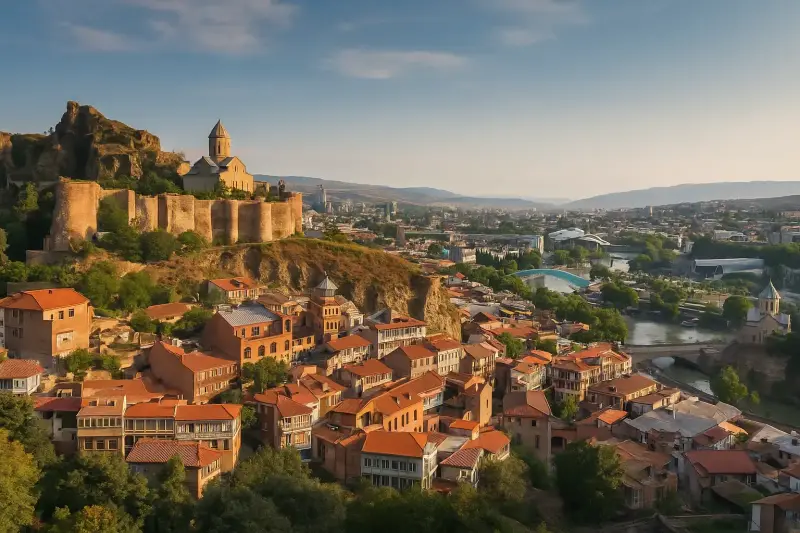 Facile
 Facile
Mtskheta, Jvari & Château Mukhrani — Private Half-Day Wine Trip
Privé · 1 jour
94 $/personne · 4 voyageurs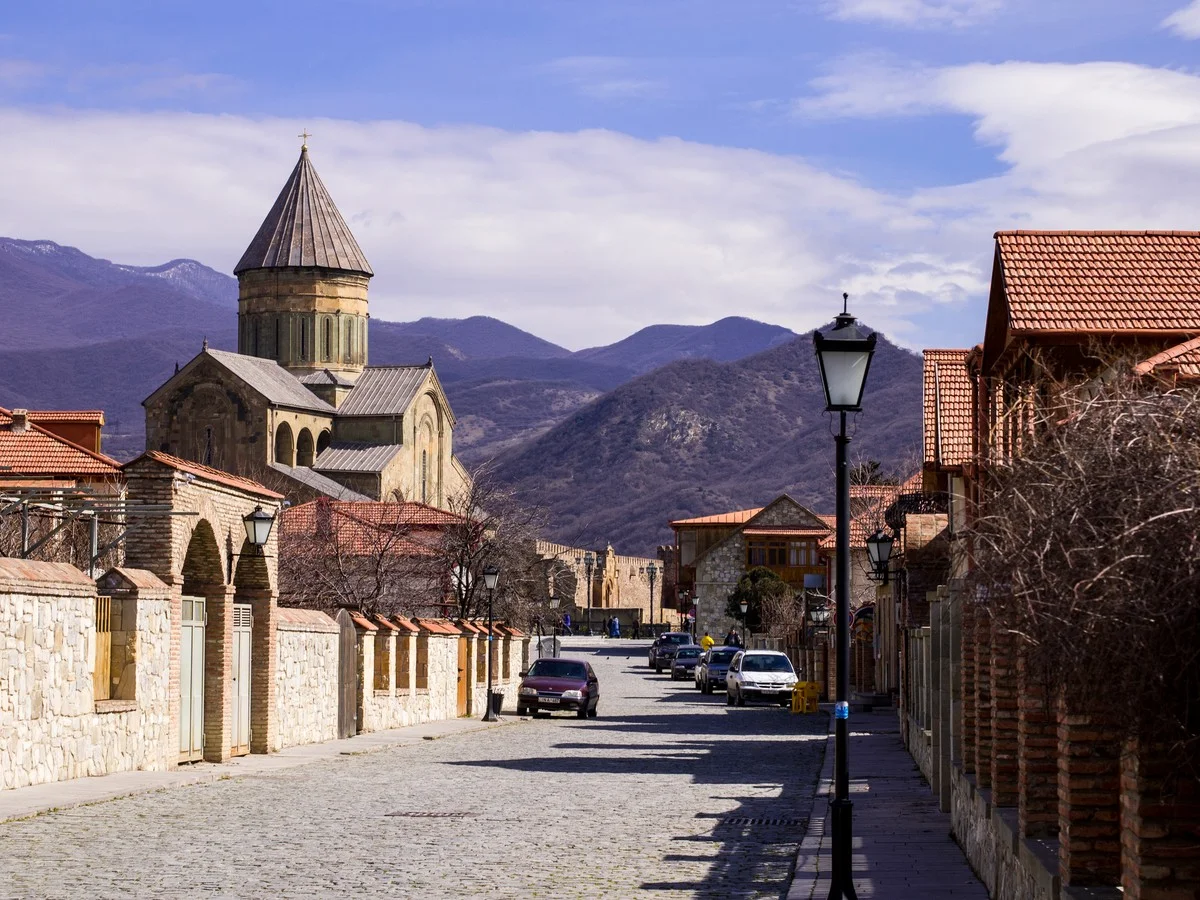 Modéré
Georgia Archaeology Tour — 5 Days, Private: Cave Cities & Dmanisi
Privé · 5 jours
670 $/personne · 4 voyageurs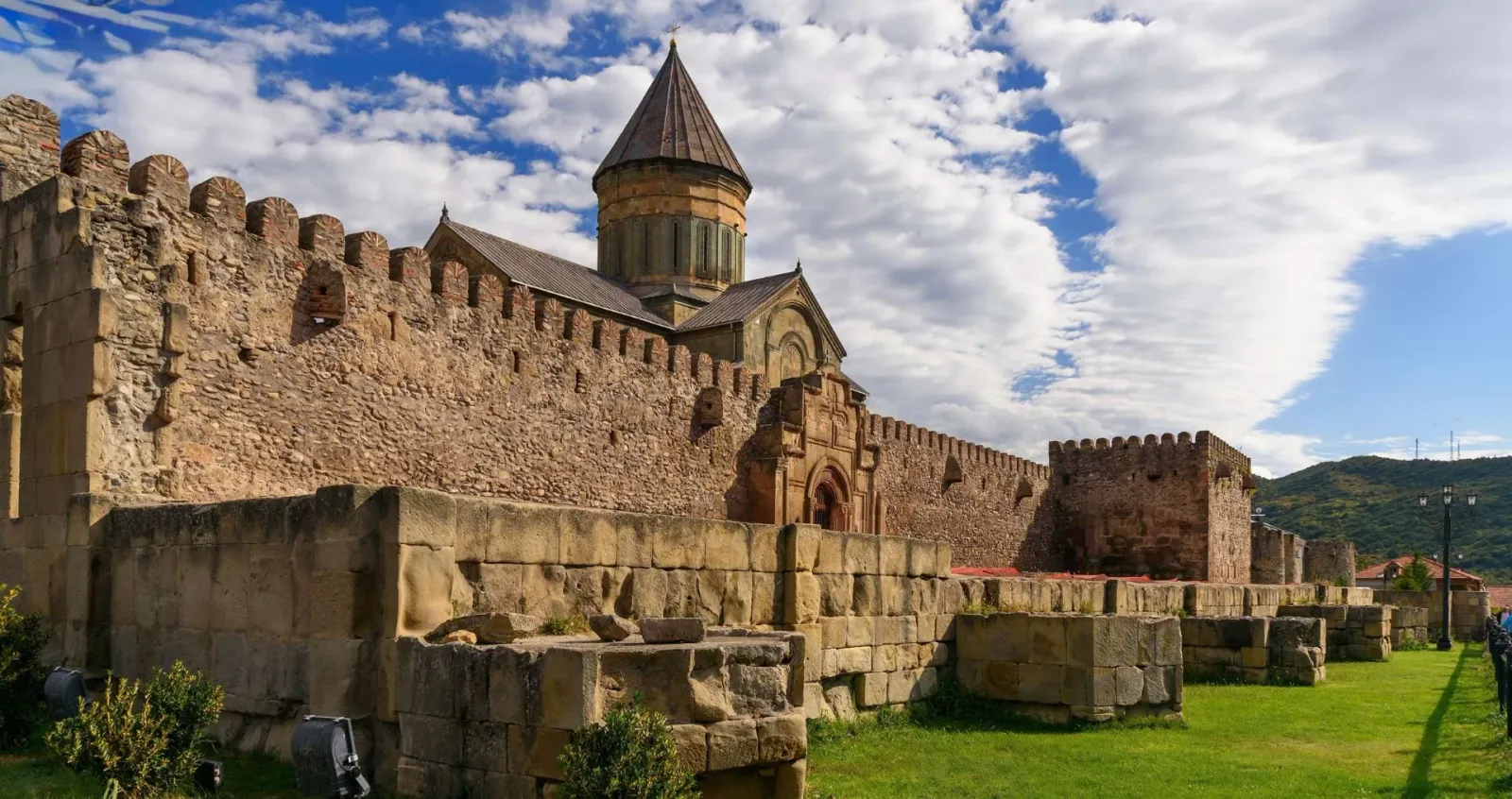 Facile
Sites incontournables
Svetitskhoveli Cathedral
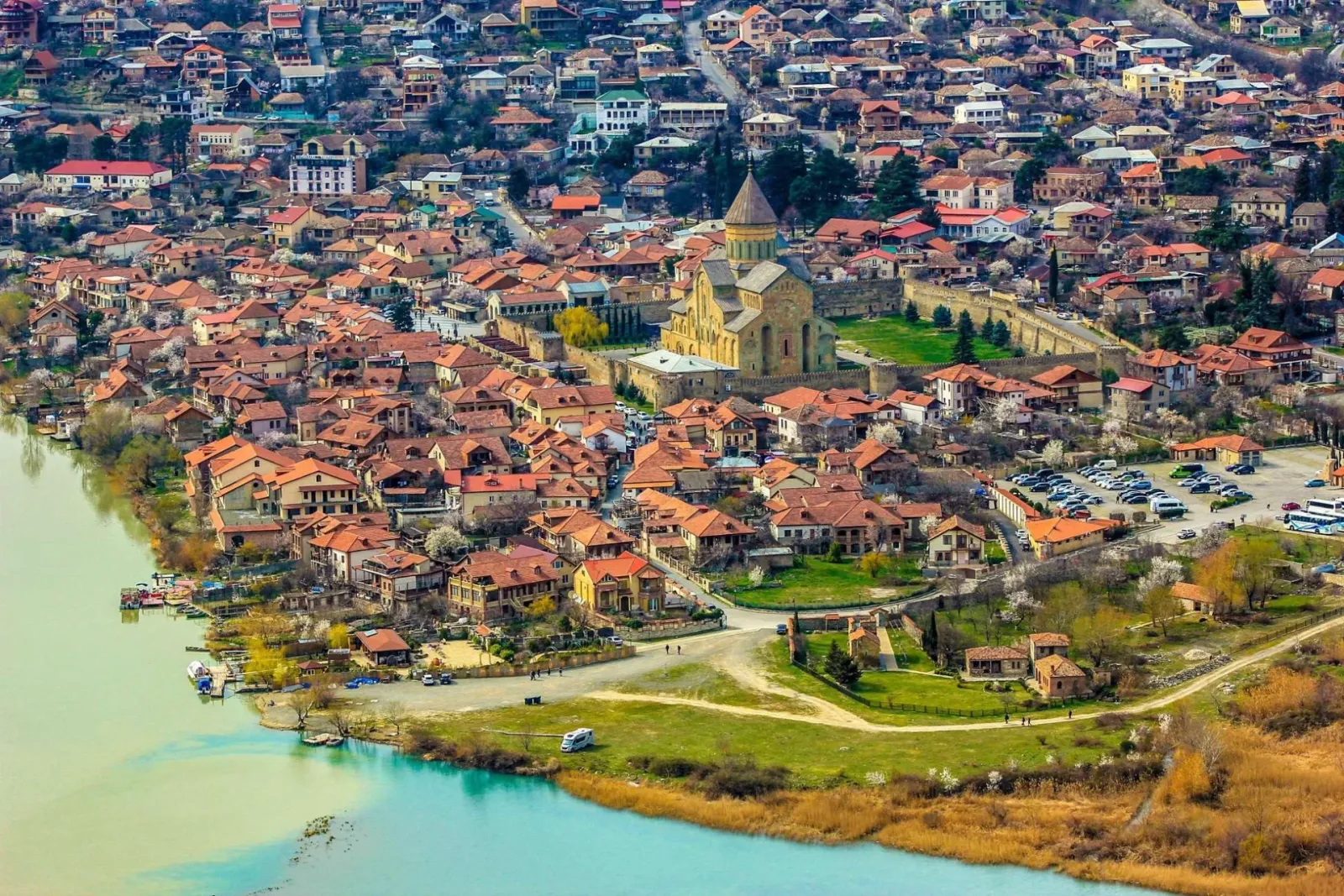
11th-century cathedral where tradition places the burial of Christ's robe, with the tombs of kings Vakhtang Gorgasali and Erekle II and large frescoes; inside a fortified wall.
Jvari Monastery
Late 6th-century church on the hill across the Aragvi, a model for later Georgian churches, with the classic view of Mtskheta and the river confluence.
Samtavro Monastery
Working convent with the 11th-century Transfiguration church, the tombs of King Mirian and Queen Nana, and a small chapel on the site of St Nino's bramble garden.
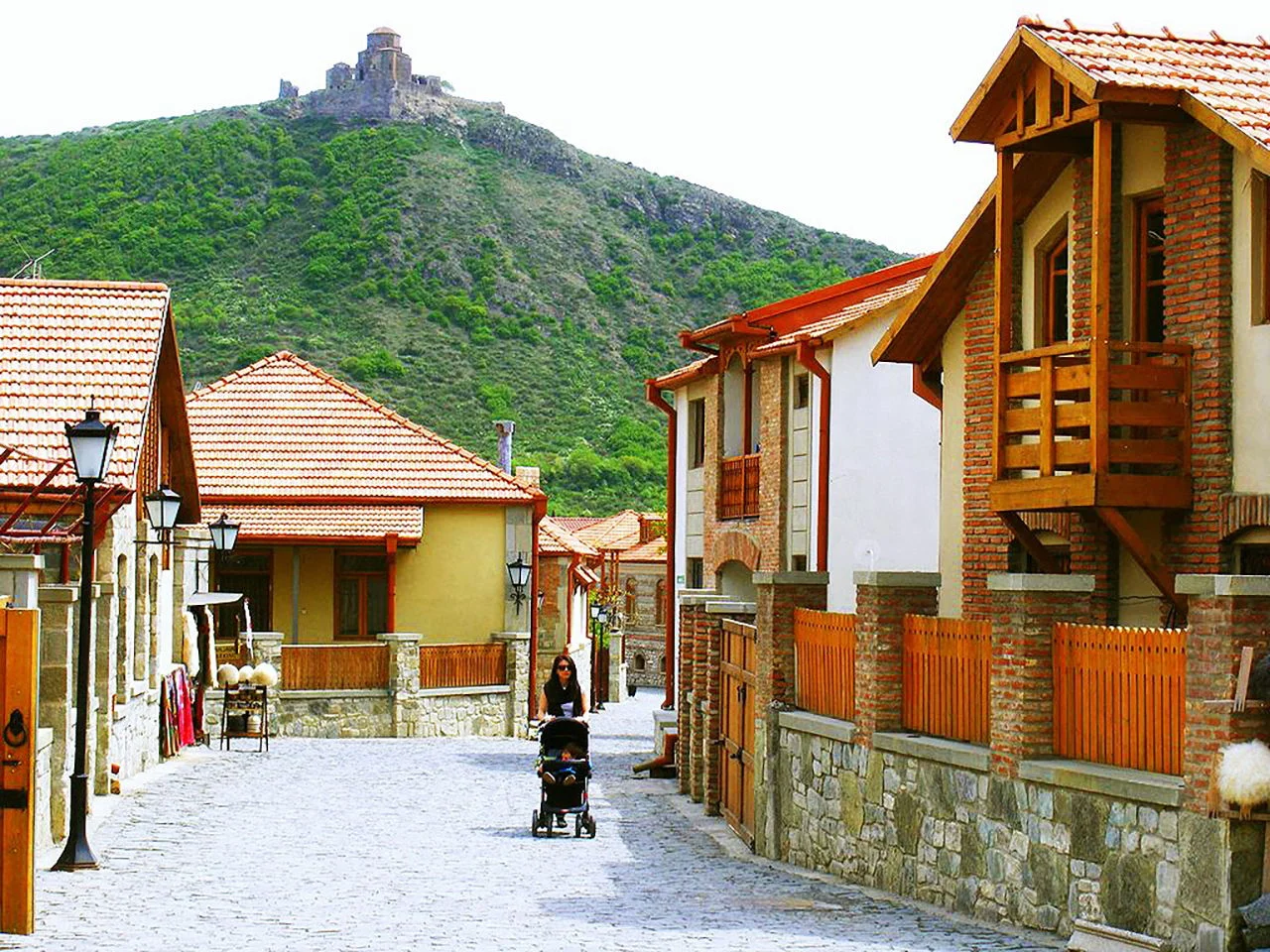
Old town streets
The restored lanes around Svetitskhoveli with cafés and craft shops.
À proximité
Armazi and Bagineti
Remains of the ancient royal acropolis across the Mtkvari, about 5 km (10 min).
Shio-Mgvime Monastery
6th-century cave monastery in a quiet gorge, about 12 km (25 min).
Mukhrani
Wine valley with Château Mukhrani and other estates, about 25 km (30 min).
Ananuri Fortress
17th-century fortress on the Zhinvali reservoir, about 45 km (50 min) north.
Bon à savoir
- Comment s'y rendre
About 25 km (30 min) from Tbilisi on the four-lane highway; Jvari is reached by a paved side road from the highway.
- Meilleure période
Spring and autumn are the most pleasant for walking the old town and for the view from Jvari, summer afternoons are hot, and winter is quiet and still fine for a visit.
- Durée conseillée
Half a day
- Getting there
About 25 km (30 min) from Tbilisi; the old town is walkable, but Jvari is on a separate hilltop about 10 km by road.
- Fees
The churches are free.
- Dress code
Shoulders and knees covered; women cover their hair in churches (scarves are usually available at the entrance).
- Heads-up
Svetitskhoveli is busy on Sundays and feast days during services; weekday mornings are quieter.
- Time needed
3–4 hours for all three churches.
Histoire et culture
Culture
Histoire
Cuisine locale
Hébergement
FAQ
Mtskheta vaut-elle le détour ?
Oui. C’est l’ancienne capitale de la Géorgie et son centre religieux, et la cathédrale de Svétitskhovéli et le monastère de Djvari font partie du site du patrimoine mondial de l’UNESCO des monuments historiques de Mtskheta. La ville est assez proche de Tbilissi pour une demi-journée : elle convient à tous ceux qui s’intéressent à l’histoire ou aux églises, même lors d’un court séjour.
Quelle est la distance entre Mtskheta et Tbilissi ?
Environ 20 à 25 km au nord de Tbilissi, soit à peu près 30 minutes en voiture par l’autoroute. La plupart des visiteurs associent la ville au monastère de Djvari, sur la colline d’en face, en une excursion d’une demi-journée.
Notre guide de Mtskheta, Djvari et SvétitskhovéliPour quoi Mtskheta est-elle célèbre ?
Elle fut la capitale du premier royaume géorgien de Kartlie (Ibérie) d’environ le IIIe siècle av. J.-C. au Ve siècle apr. J.-C., et c’est ici que, au début du IVe siècle, sainte Nino convertit le roi Mirian III et que le christianisme devint religion d’État. Sa cathédrale de Svétitskhovéli est le lieu où la tradition géorgienne place l’inhumation de la tunique du Christ.
Le monastère de Djvari est-il à Mtskheta ?
Il se dresse au sommet d’une colline, de l’autre côté de la rivière Aragvi par rapport à la ville, face au confluent avec la Koura (Mtkvari), à environ 10 minutes du centre par la route. Il appartient au même site de l’UNESCO que les autres églises de Mtskheta.
Monastère de DjvariLieux à voir : Mtskheta
- Svetitskhoveli CathedralSvetitskhoveli Cathedral is the 11th-century cathedral in the centre of Mtskheta, Georgia's old capital, about 25 km (30 min) from Tbilisi.
- Jvari MonasteryJvari Monastery stands on a rocky hilltop above Mtskheta, about 20 km north of Tbilisi, where the Aragvi river flows into the Mtkvari.
Destinations à proximité
- KazbegiStepantsminda, still widely called Kazbegi, is the mountain town at about 1,740 m on the Georgian Military Highway, 152 km north of Tbilisi…
- Ananuri FortressAnanuri is a 17th-century fortress of the Dukes of Aragvi above the turquoise Zhinvali reservoir, about 70 km (1–1.25 h) north of Tbilisi…
- Trinity Church GergetiGergeti Trinity Church (Tsminda Sameba) stands alone on a grassy ridge at 2,170 m above Stepantsminda, about 152 km north of Tbilisi…
- Gudauri Ski ResortGudauri ski resort, the largest in Georgia, is on the Georgian Military Highway about 120 km north of Tbilisi, just below the Jvari Pass.
- JutaJuta is a small mountain village at about 2,200 m at the head of the Sno valley, south-east of Stepantsminda (Kazbegi), under the jagged…
- Jvari MonasteryJvari Monastery stands on a rocky hilltop above Mtskheta, about 20 km north of Tbilisi, where the Aragvi river flows into the Mtkvari.
Guides pour préparer votre voyage
Tous les guides de voyage- Tbilisi Mtskheta Tour: What Fits in a Half DayA Tbilisi Mtskheta tour fits in half a day: see Jvari and Svetitskhoveli and add a wine tasting at Château Mukhrani, or visit Shio-Mgvime's…
- Shio-Mgvime: A Cave Monastery near MtskhetaShio-Mgvime is a 6th-century monastery in a limestone gorge 9 km from Mtskheta, founded by St Shio, one of the Thirteen Syrian Fathers…
- St Nino and How Georgia Became ChristianIn the early 4th century a woman from Cappadocia, St Nino, converted the king and queen of Kartli, and Christianity became the state…
Cette page dans d'autres langues