Kutaisi
Imereti · Miasto
O miejscu: Kutaisi
Wycieczki obejmujące miejsce: Kutaisi
Zobacz wszystkie 7 wycieczek Łatwa
 Wymagająca
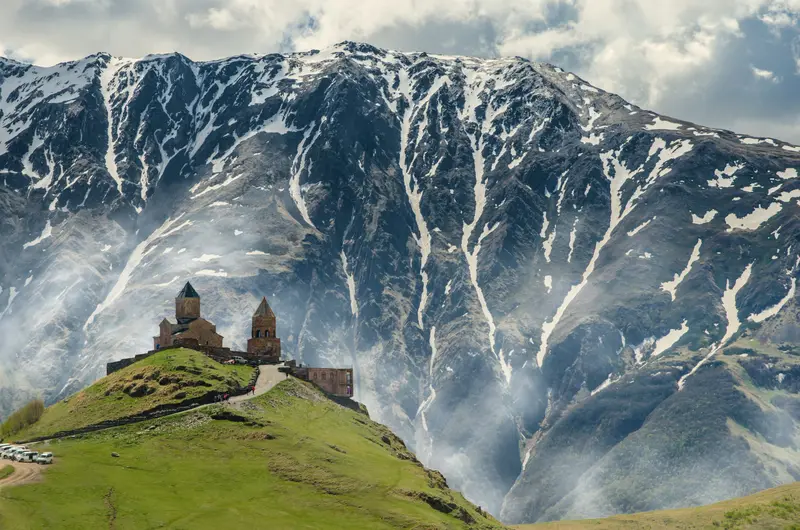
Svaneti Trekking Tour: Mestia–Ushguli — 7-Day Supported Private Hike
Prywatna · 7 dni
685 $/os. · dla 4 osób Łatwa
 Umiarkowana
 Umiarkowana
Grand Tour of Georgia — 10-Day Private Tour, Mountains to the Black Sea
Prywatna · 10 dni
1365 $/os. · dla 4 osób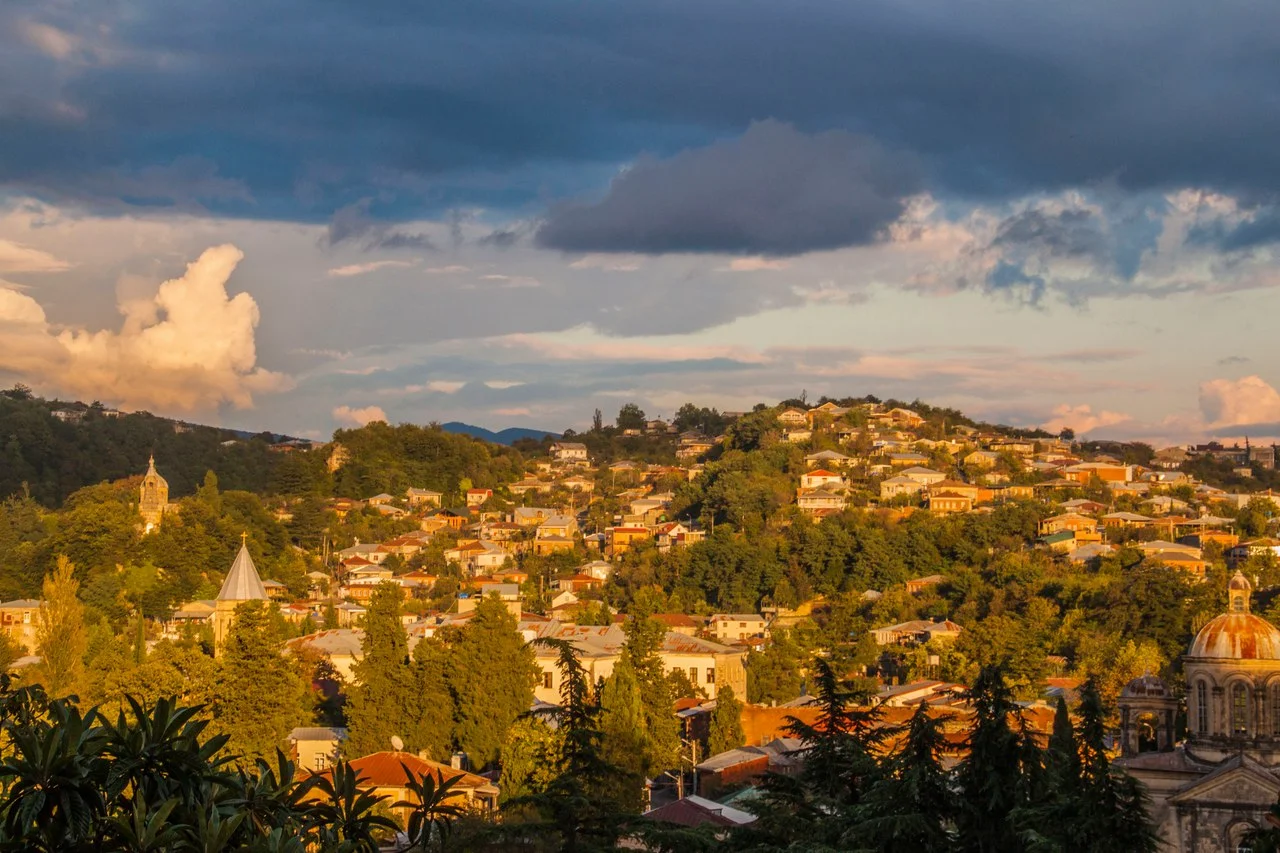 Umiarkowana
Western Georgia in 6 Days — Canyons, Svaneti & Batumi, Private
Prywatna · 6 dni
875 $/os. · dla 4 osób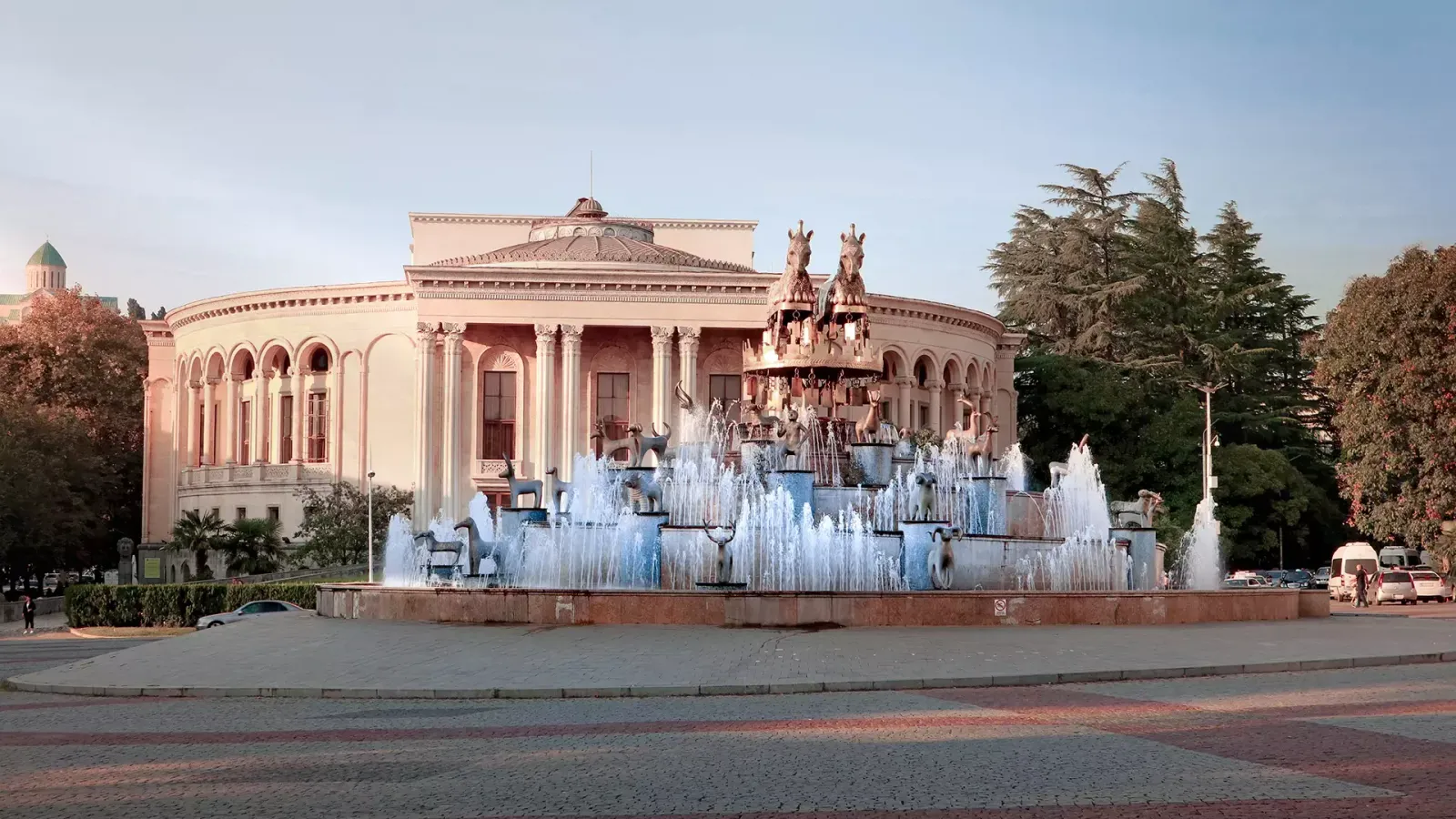 Umiarkowana
Atrakcje, które warto zobaczyć
Gelati Monastery
Founded in 1106 by David the Builder and a UNESCO World Heritage Site, with 12th-century mosaics and frescoes; in 2026 parts of the main church are under scaffolding for conservation.
Bagrati Cathedral
Built in 1003 under King Bagrat III, blown up in 1692 and heavily rebuilt in 2012; the reconstruction led UNESCO to remove it from the World Heritage List in 2017.
Motsameta Monastery
Small church on a cliff above a bend of the Tskaltsitela river, about 6 km from the centre.
Green Bazaar
Covered market for cheese, spices, churchkhela and seasonal fruit.
Great Synagogue
Neo-Romanesque synagogue of 1886 on Boris Gaponov Street, still in use.
W pobliżu
Prometheus Cave
Show cave with lit halls and an underground boat ride, about 20 km north-west (30–40 min).
Sataplia Nature Reserve
Dinosaur footprints under a protective pavilion, a small cave and a glass viewpoint, about 10 km north (20 min).
Tskaltubo
Former Soviet spa town with abandoned sanatoriums, about 20 km (25 min).
Martvili Canyon
Boat trips in a limestone gorge, about 45 km (1 h).
Chiatura
Manganese town with cable cars rebuilt in 2021, about 70 km east (1.5 h).
Warto wiedzieć
- Dojazd
About 230 km (3–3.5 h) from Tbilisi on the E60 highway via the Rikoti Pass; trains also run from Tbilisi, and Kutaisi International Airport is 20 km from the city.
- Najlepszy czas
Spring and autumn are mild and green; July and August in Imereti are hot and humid, which makes cool caves and canyon boat trips a good plan, and winters are wet but rarely freezing.
- Zalecany pobyt
1–2 days
- Getting there
About 230 km (3–3.5 h) from Tbilisi by car (trains are slower), about 150 km (2–2.5 h) from Batumi.
- Airport
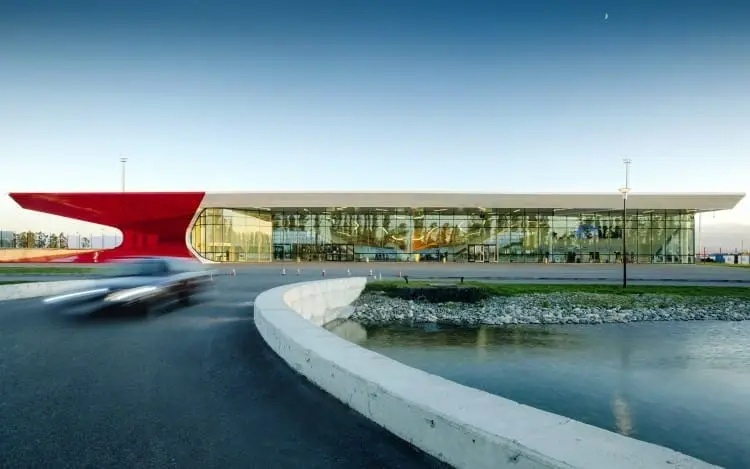
Kutaisi International Airport, about 20 km west of the city, is served by low-cost flights from Europe.
- Heads-up
Conservation work at Gelati puts parts of the main church under scaffolding in 2026; we plan the visit around what is open.
- Time needed
One day for the city, Gelati and Bagrati; add a second day for the caves and canyons.
Prywatne transfery:Tbilisi – KutaisiBatumi – KutaisiKutaisi – MestiaKutaisi – BatumiKutaisi – BakurianiKutaisi – Borżomi
Historia i kultura
Kultura
Historia
Lokalna kuchnia
Noclegi
FAQ
Czy warto odwiedzić Kutaisi?
Tak, na jeden lub dwa dni, zwłaszcza jeśli lądujesz na lotnisku w Kutaisi albo jedziesz między Tbilisi a Morzem Czarnym. W mieście są klasztor Gelati, wpisany na listę światowego dziedzictwa UNESCO, katedra Bagrati i tętniący życiem Zielony Bazar, a jaskinia Prometeusza, Sataplia i kanion Martwili leżą w odległości godziny jazdy.
Co zobaczyć w Kutaisi w jeden dzień?
Zacznij od klasztoru Gelati i Mocamety, obu tuż za miastem, potem katedra Bagrati na wzgórzu nad rzeką i Zielony Bazar w centrum. Samochodem po południu możesz dodać Sataplię, około 10 km na północ, albo jaskinię Prometeusza, około 20 km na północny zachód.
Z czego słynie Kutaisi?
To jedno z najstarszych miast Gruzji i trzecie co do wielkości: według greckiej legendy w Kolchidzie rządził król Ajetes i leżało Złote Runo, a Kutaisi jest jednym z miejsc z nią wiązanych. Było stolicą Gruzji do 1122 roku, a król Dawid Budowniczy założył tu w 1106 roku klasztor Gelati i jego akademię.
Jak daleko jest z Tbilisi do Kutaisi?
Około 235 km od lotniska w Tbilisi, czyli 3–3,5 godziny samochodem autostradą E60; pociągi z Tbilisi są wolniejsze. Międzynarodowy port lotniczy Kutaisi leży około 20 km na zachód od miasta.
Prywatny transfer z Tbilisi do KutaisiWarto zobaczyć w pobliżu
- Okatse CanyonOkatse Canyon is a deep limestone gorge of the Okatse river near the village of Gordi in Imereti, about 45 km (1 h) north of Kutaisi.
- Gelati MonasteryGelati Monastery, on a wooded hillside about 11 km north-east of Kutaisi in Imereti, was founded by King David the Builder in 1106 and is a…
- Prometheus CavePrometheus Cave is a large show cave at the village of Kumistavi, about 20 km (30–40 min) north-west of Kutaisi.
- Kinchkha WaterfallKinchkha (also called Okatse Waterfall) is a three-step waterfall near the village of Kinchkha in Imereti, about 50 km north of Kutaisi and…
- Sataplia Nature ReserveSataplia is a small protected area on a forested limestone hill about 10 km north-west of Kutaisi, in Imereti.
- TskaltuboTskaltubo is a spa town in Imereti, about 9 km from Kutaisi and roughly 15 minutes by car, built around warm radon-carbonate springs.
Przewodniki do planowania podróży
Wszystkie przewodniki podróżnicze- Prometheus Cave: Visiting Georgia's Show CavePrometheus Cave, at Kumistavi 20 km from Kutaisi, is a guided 1.4 km walk through six lit halls, with an optional boat ride out on an…
- Batumi to Martvili Canyon: Boat Ride and the Dadiani BathGetting from Batumi to Martvili Canyon means about 150 km to Kutaisi, then about an hour more by road.
- Imereti Wine: Qvevri, Tsolikouri and Family CellarsImereti, around Kutaisi, makes lighter wines than Kakheti: whites from Tsolikouri, Tsitska and Krakhuna, fermented in clay churi with only…
Ta strona w innych językach