Ananuri Fortress
Mtskheta-Mtianeti · Histoire
À propos de Ananuri Fortress
Circuits incluant Ananuri Fortress
Voir les 13 circuits Modéré
 Facile
Kazbegi Tour from Tbilisi — Private Day Trip to Gergeti Trinity
Privé · 1 jour
76 $/personne · 4 voyageurs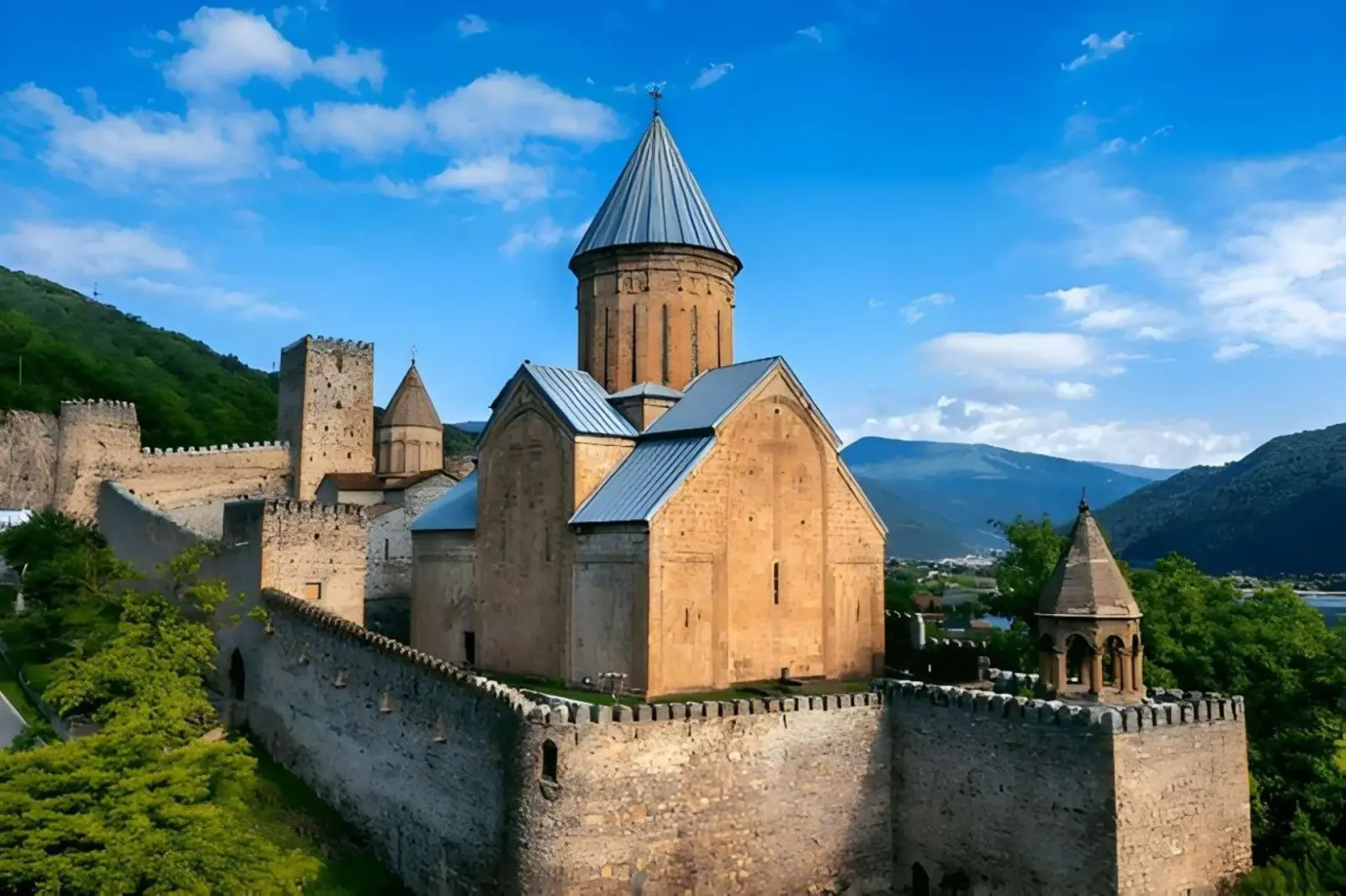 Facile
 Modéré
Georgia 4x4 Tour: Tusheti, Khevsureti & Kazbegi — 8-Day Private Trip
Privé · 8 jours
1 095 $/personne · 4 voyageurs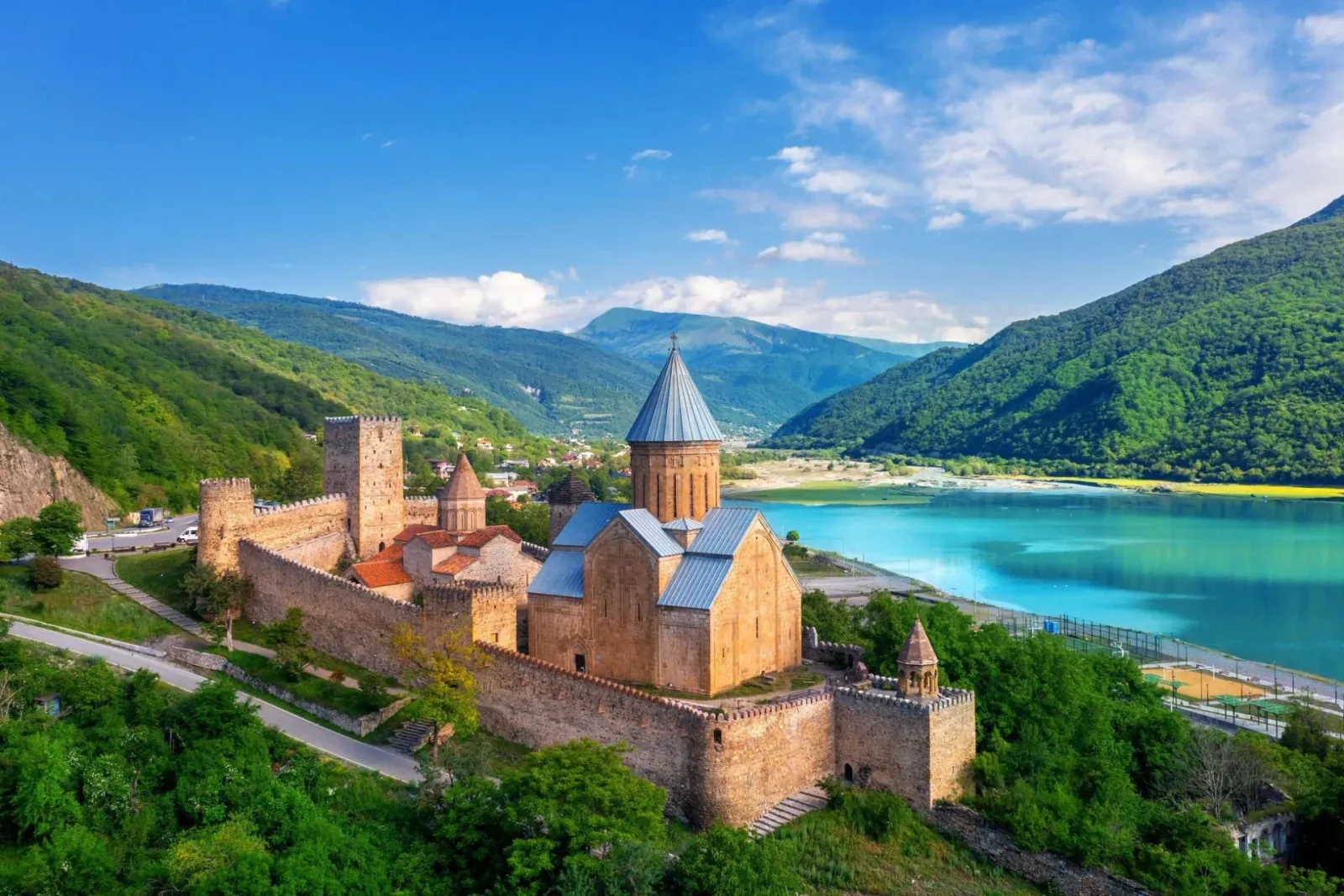 Facile
Georgia Highlights in 5 Days — Private Tour: Tbilisi, Kakheti & Kazbegi
Privé · 5 jours
640 $/personne · 4 voyageurs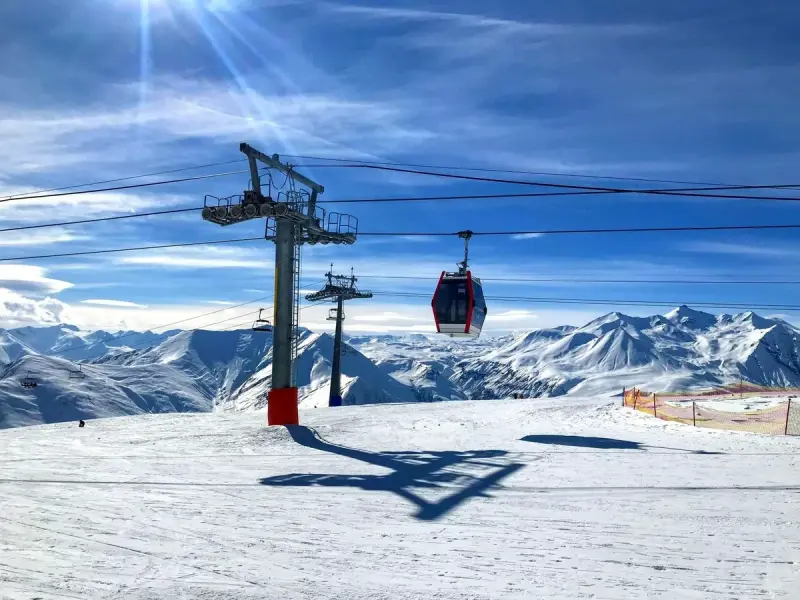 Modéré
Kazbegi Adventure Weekend: Rafting, Hiking & Paragliding — 3-Day Private Tour
Privé · 3 jours
575 $/personne · 4 voyageurs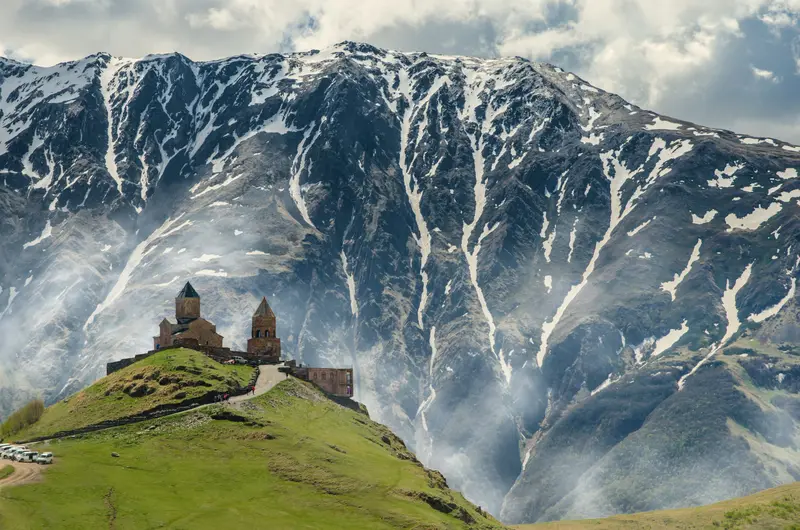 Modéré
Kazbegi & Truso Valley by 4x4 — Private Day Trip from Tbilisi
Privé · 1 jour
93 $/personne · 4 voyageurs Modéré
White Aragvi Rafting & Ananuri Fortress — Private Day Trip from Tbilisi
Privé · 1 jour
89 $/personne · 4 voyageurs
Sites incontournables
Church of the Mother of God (1689): The larger church, with carved façades showing a large cross, grapevines and animals, and remains of frescoes inside.
Church of the Virgin
The older, smaller church of the early 17th century, with graves of the Aragvi dukes.
Sheupovari tower
The square tower of the upper fortress, where the defenders made their last stand; the steep inner stairs lead to a view over the reservoir.
Walls and reservoir view
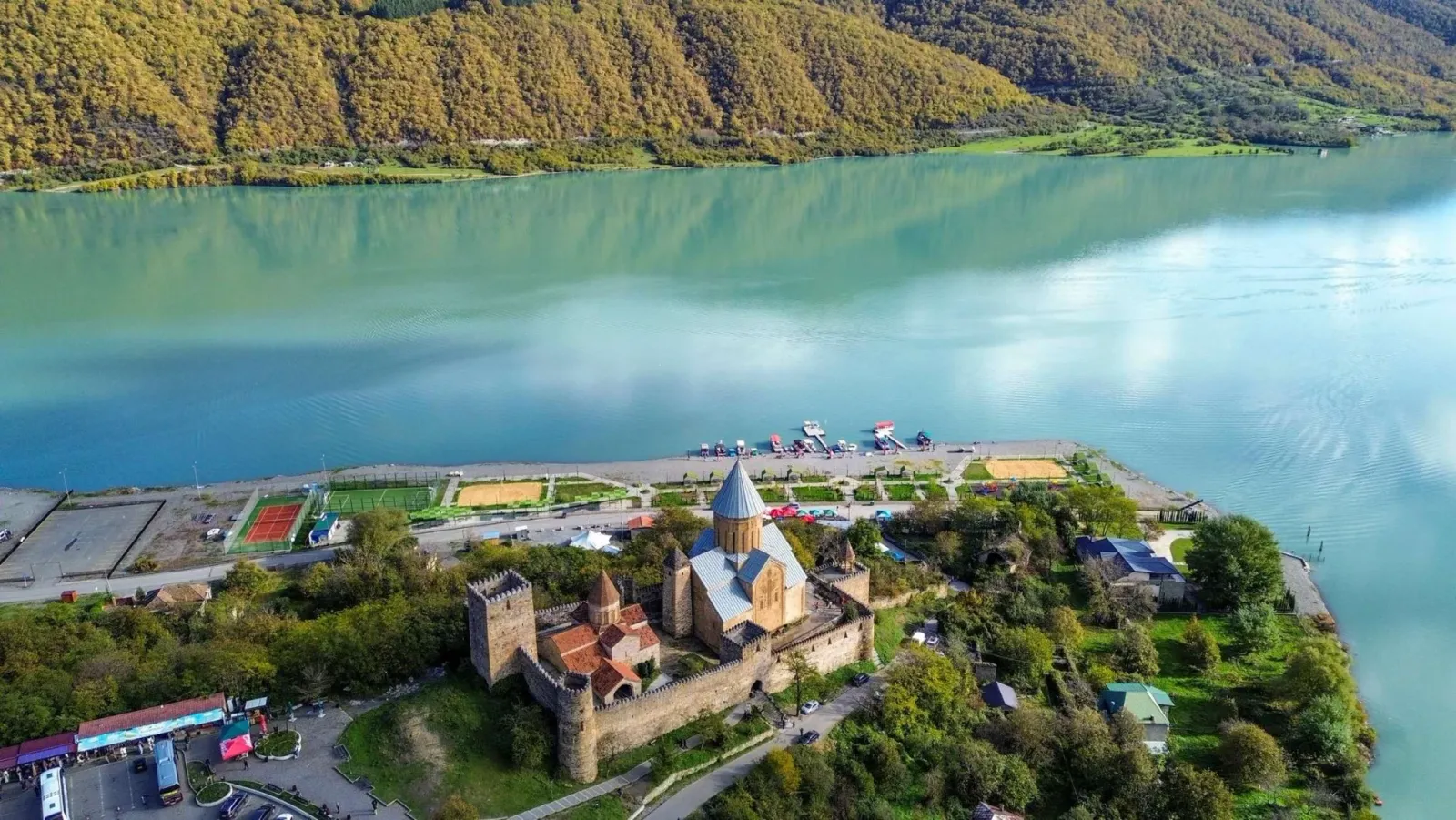
Walk along the walls for views over the Zhinvali reservoir and the Aragvi valley.
À proximité
Zhinvali reservoir viewpoints
Pull-outs along the Military Highway just south of Ananuri give the classic view of the fortress above the water.
Pasanauri
A village on the Aragvi, starting point for rafting, about 20 km (25 min) north.
Gudauri and the Russia–Georgia Friendship Monument
About 50 km (1 h) north. Stepantsminda (Kazbegi): The mountain town below Gergeti Trinity Church, about 85 km (1.5–2 h) north.
Bon à savoir
- Comment s'y rendre
About 70 km (1–1.25 h) north of Tbilisi on the Georgian Military Highway (paved), beside the road to Kazbegi.
- Meilleure période
The reservoir is at its most turquoise from late spring to autumn, and in winter the fortress is open and quiet but the tower steps can be icy.
- Durée conseillée
30–45 minutes
- Fees
Entry is free.
- What to wear
Shoulders and knees covered in the churches; women usually cover their hair, and scarves are often available at the entrance.
- Heads-up
The tower stairs are narrow and steep, with low doorways.
- Time needed
30–45 minutes.
- Photography
The best view of the fortress with the reservoir is from the road pull-outs to the south.
Histoire et culture
Culture
Histoire
Cuisine locale
Destinations à proximité
- KazbegiStepantsminda, still widely called Kazbegi, is the mountain town at about 1,740 m on the Georgian Military Highway, 152 km north of Tbilisi…
- Trinity Church GergetiGergeti Trinity Church (Tsminda Sameba) stands alone on a grassy ridge at 2,170 m above Stepantsminda, about 152 km north of Tbilisi…
- MtskhetaMtskheta, about 25 km (30 min) north of Tbilisi where the Aragvi meets the Mtkvari, was the capital of the ancient kingdom of Kartli…
- Gudauri Ski ResortGudauri ski resort, the largest in Georgia, is on the Georgian Military Highway about 120 km north of Tbilisi, just below the Jvari Pass.
- JutaJuta is a small mountain village at about 2,200 m at the head of the Sno valley, south-east of Stepantsminda (Kazbegi), under the jagged…
- Jvari MonasteryJvari Monastery stands on a rocky hilltop above Mtskheta, about 20 km north of Tbilisi, where the Aragvi river flows into the Mtkvari.
Guides pour préparer votre voyage
Tous les guides de voyage- Sabaduri Forest: Autumn Colours and Snow near TbilisiSabaduri Forest lies an hour north of Tbilisi on the Tianeti road. When the autumn colours peak, how to get there, fees, crowds…
- Georgian Military Highway: Stops from Tbilisi to KazbegiThe Georgian Military Highway runs 152 km from Tbilisi to Stepantsminda (Kazbegi), 3–3.5 hours without stops.
Cette page dans d'autres langues